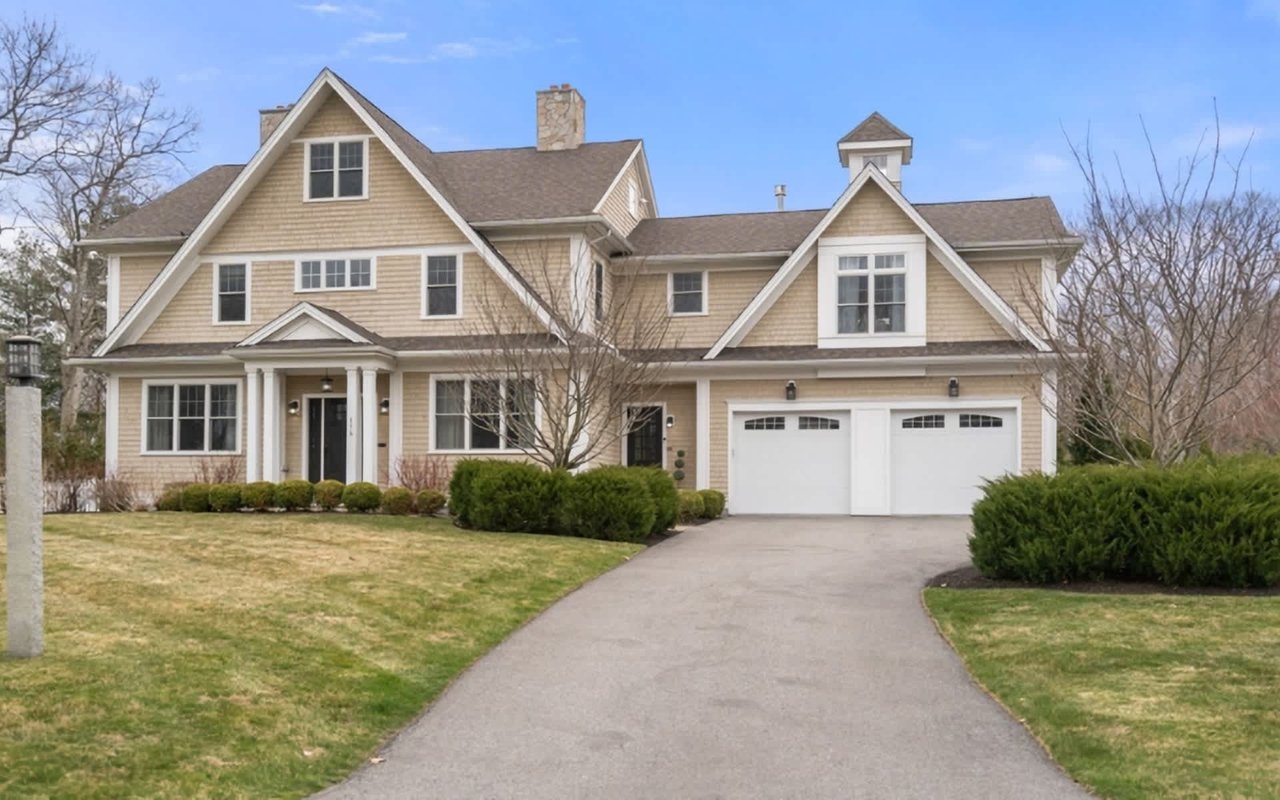
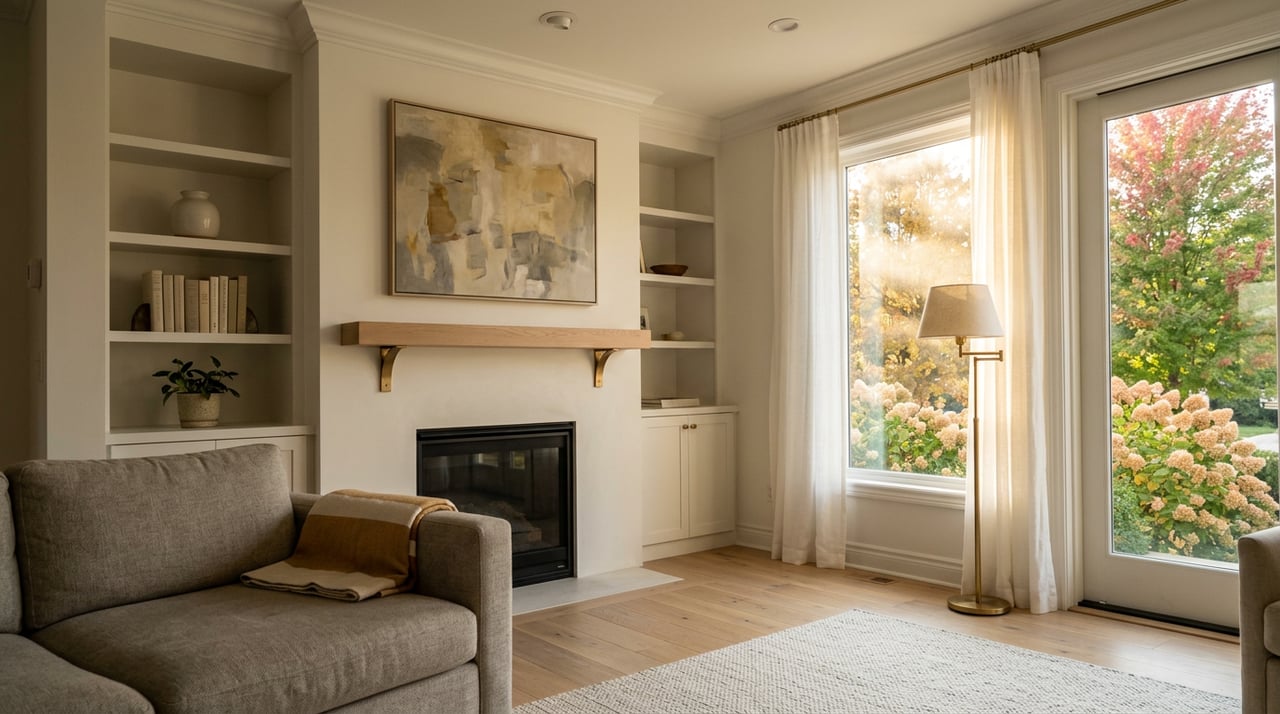
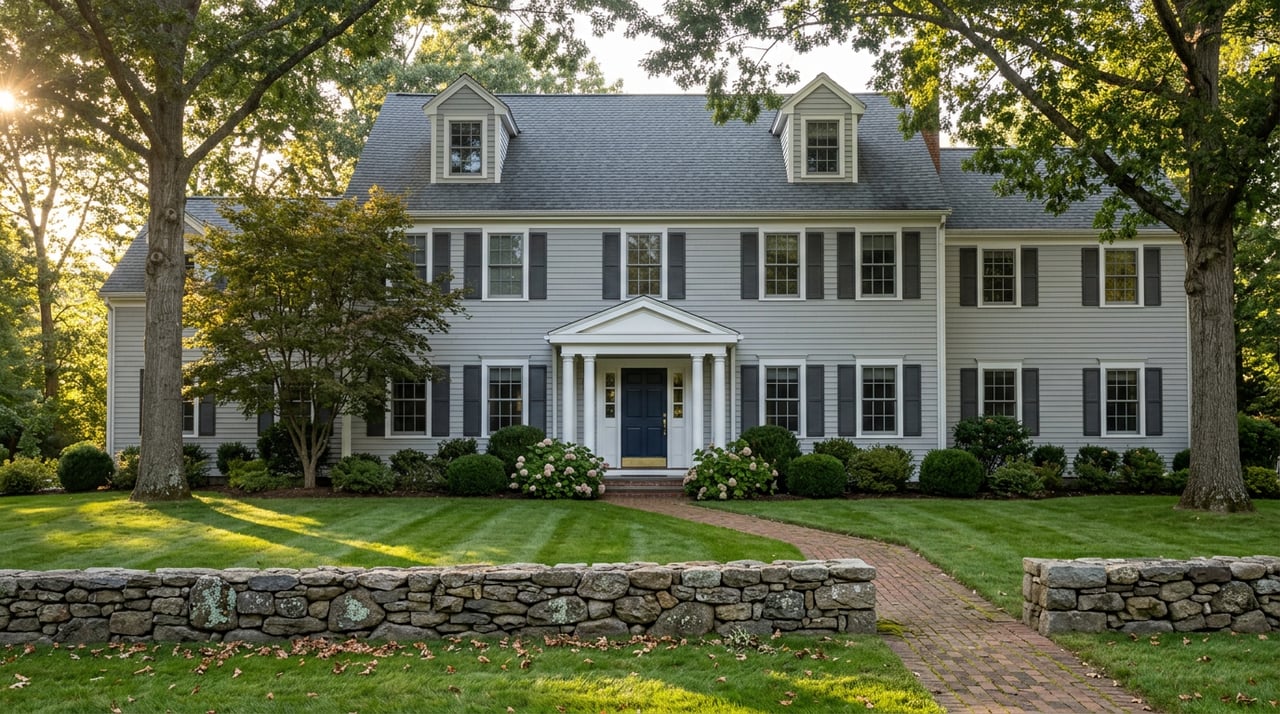
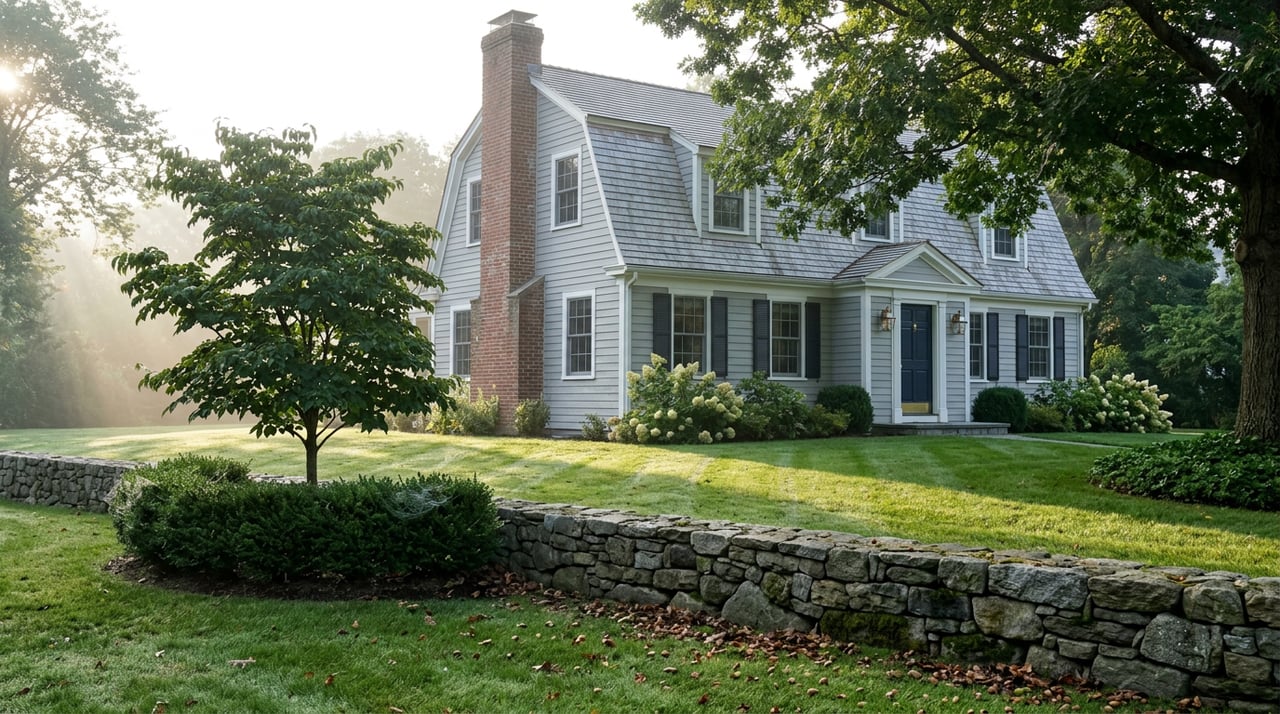
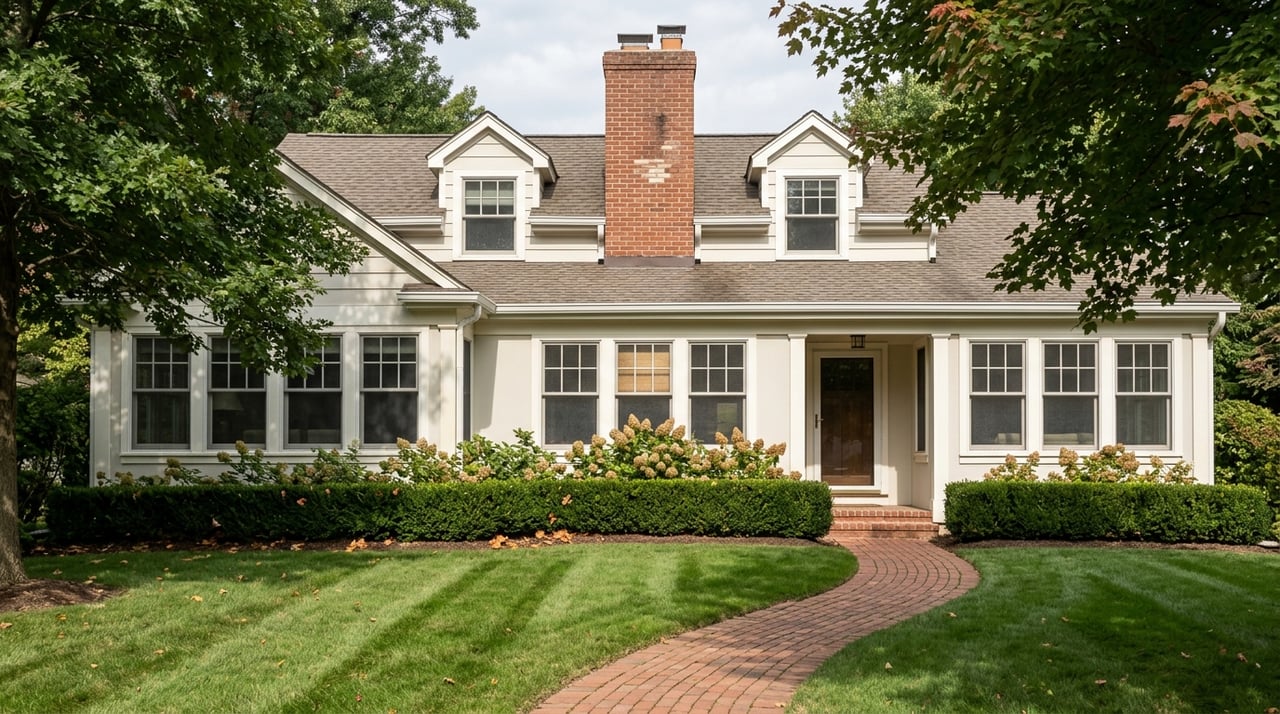
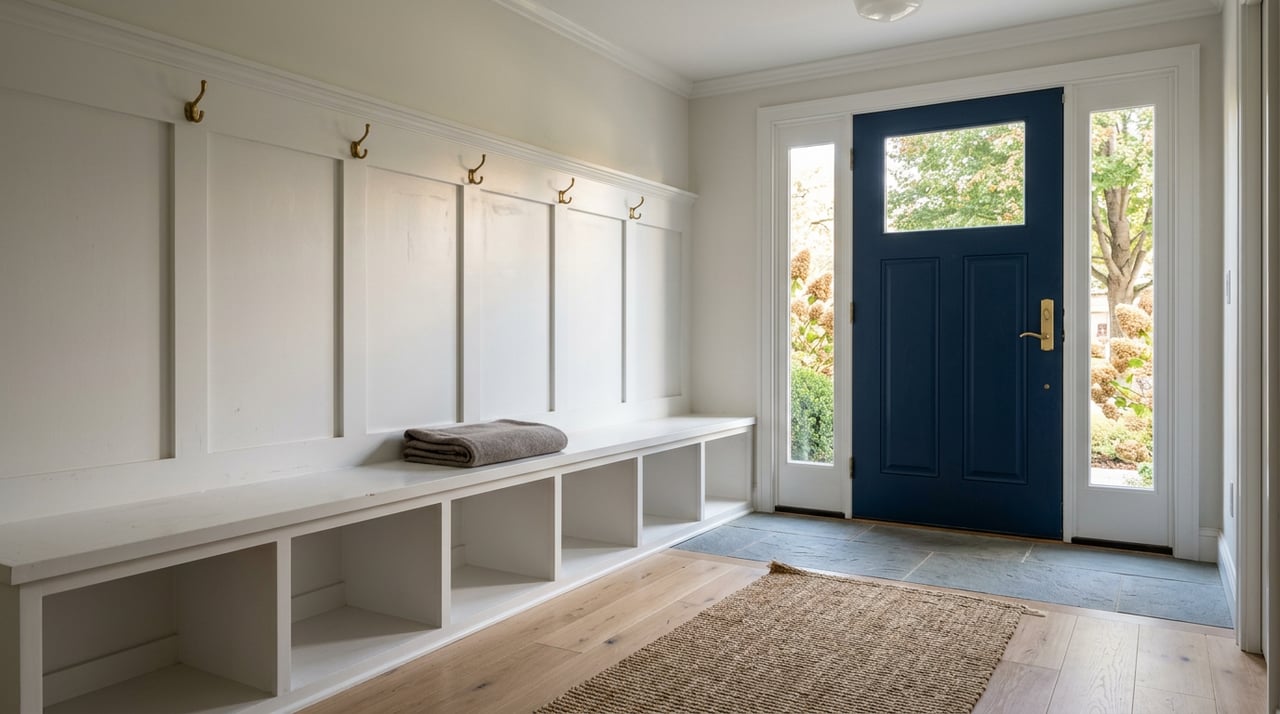
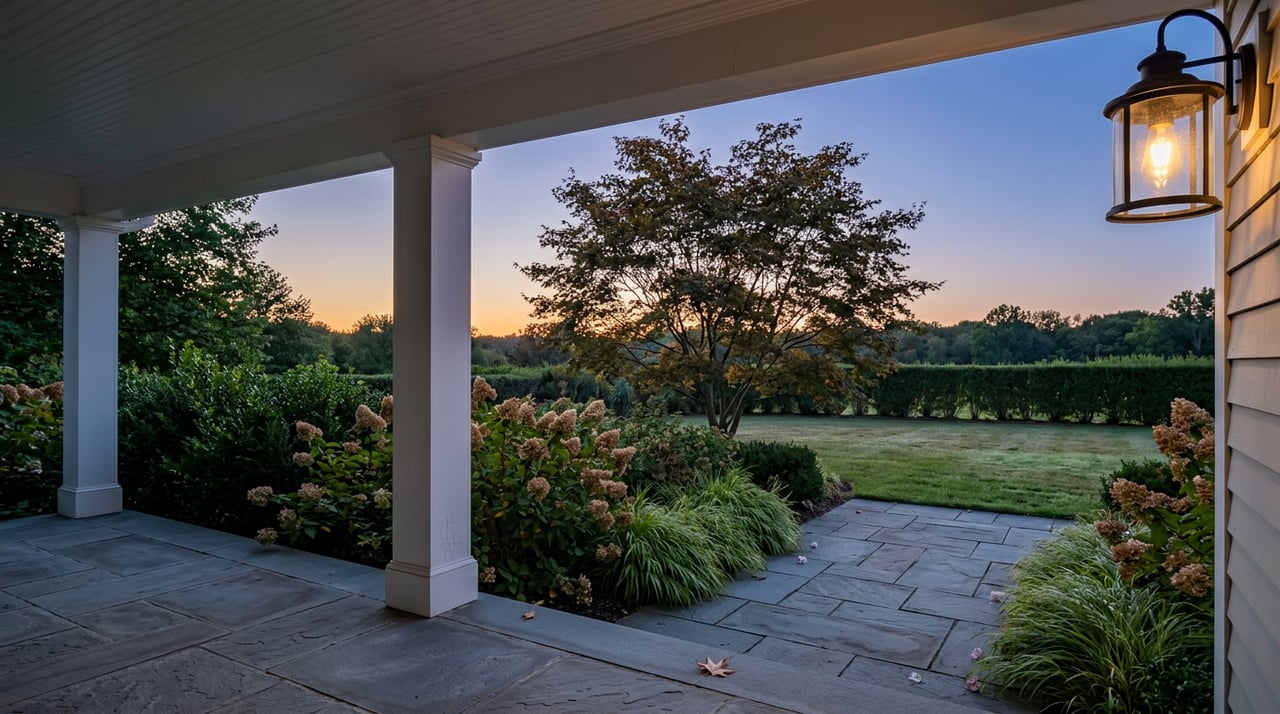
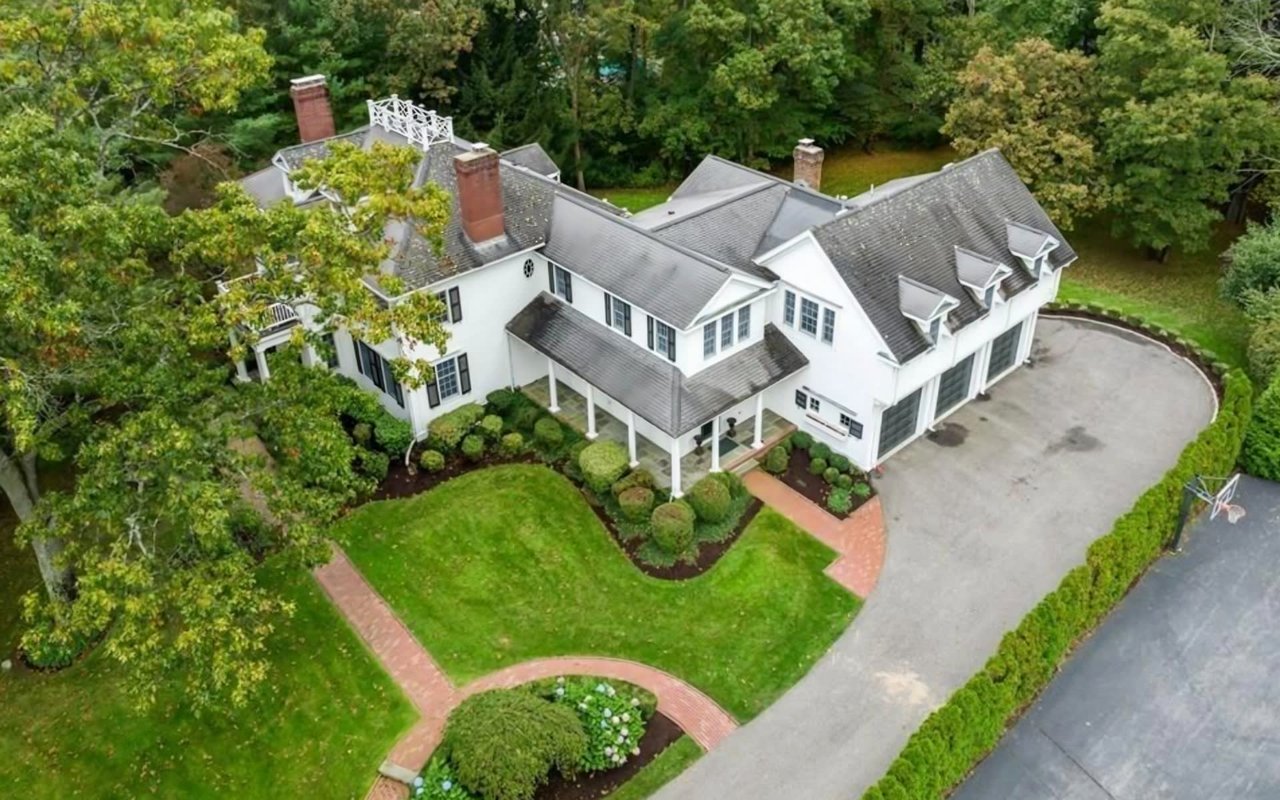
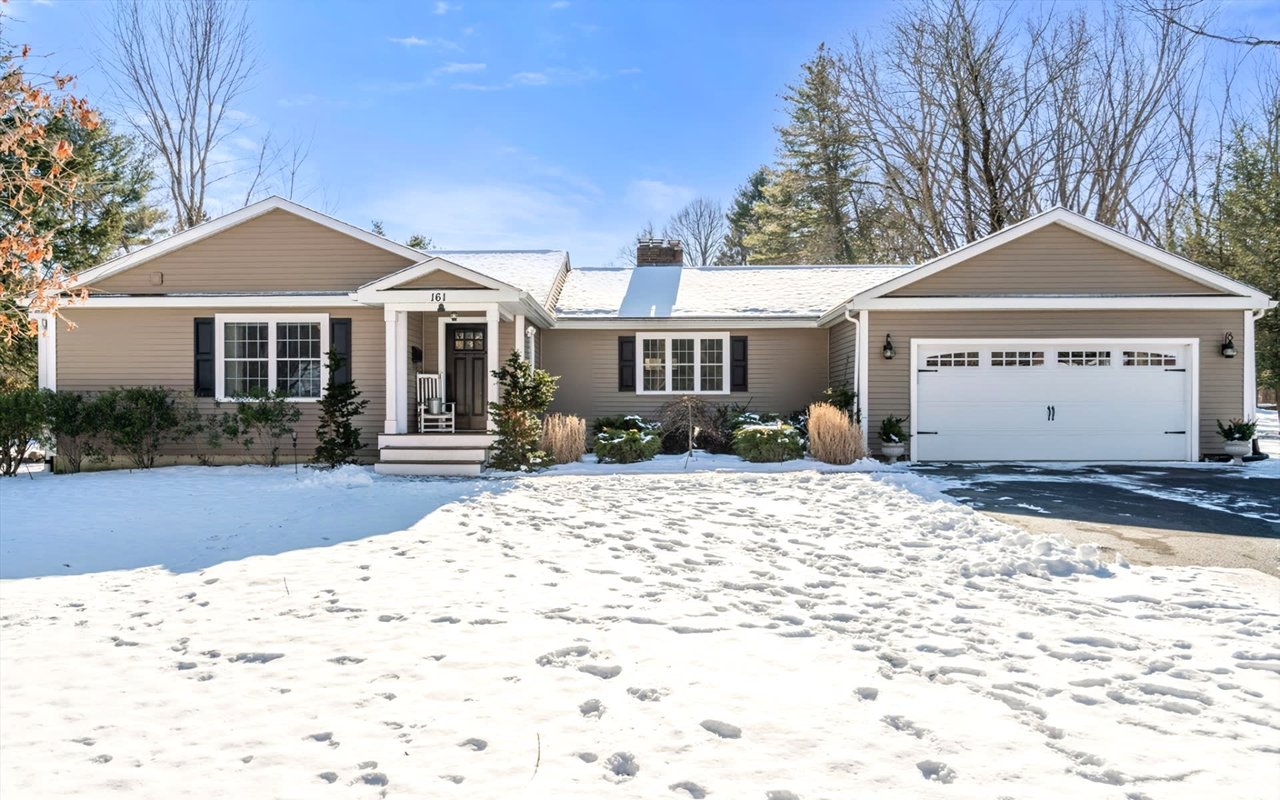
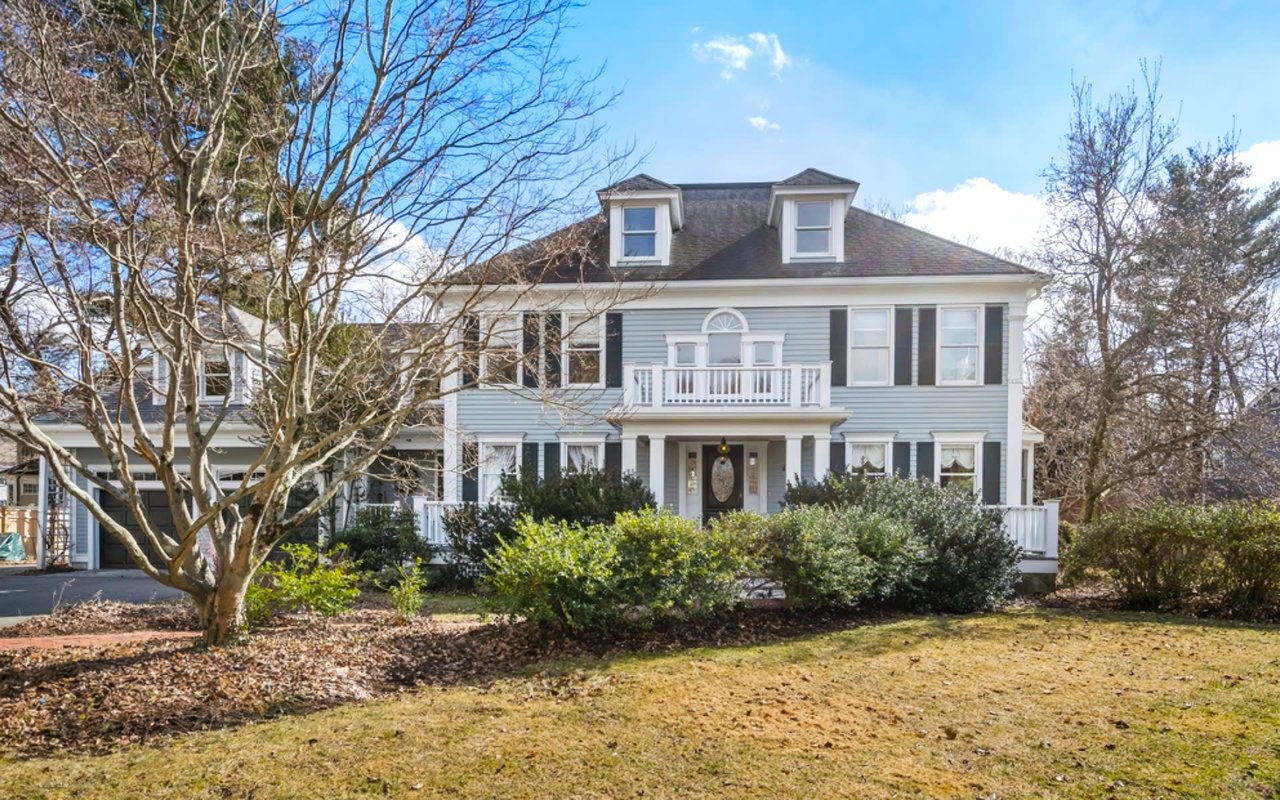
Selling a high-end home in Westwood is not about putting a sign in the yard and hoping the right buyer appears. In a town known for strong Boston access, commuter options, recreation, and a premium housing market, buyers notice presentation, pricing, and polish right away. If you want to protect your value and create real momentum, you need a listing strategy that matches how this market works. Let’s dive in.
Why Westwood Needs a Premium Strategy
Westwood has a strong identity that shapes buyer demand. The town sits about 12 miles southwest of Boston and offers access to Route 95/128 and 93, two commuter rail lines, and MBTA bus service. It also draws attention for its recreation resources and established residential setting.
That context matters when you sell. Your home is not marketed as a stand-alone property. It is positioned within a town story that already appeals to buyers looking for convenience, space, and a polished suburban lifestyle.
Westwood is also a high-value market. Census QuickFacts list a median value of owner-occupied housing above $1 million and median household income above $223,000. In a market like this, details carry weight, and buyers tend to compare homes closely.
Price and Timing Matter Early
Westwood remains a relatively fast-moving market with strong demand and limited supply, based on the research provided. That does not mean every home can be priced aggressively without a plan. It means your first week on market matters even more.
For a luxury or move-up seller, the launch is often the most important window. Buyers who have been watching Westwood closely tend to notice new listings right away, and they move fast when a home feels well prepared and correctly priced.
This is why a high-end listing strategy starts before the home goes live. You want pricing, presentation, photography, and property details aligned from day one. A rushed launch can weaken your leverage, even in a seller-leaning market.
Calibrate to Your Westwood Pocket
One of the biggest pricing mistakes in Westwood is treating the whole town like a single market. Research shows that listing prices can vary widely by area, from under $700,000 in Oakdale to well above $2 million in Dexter. That range is a reminder that your strategy should reflect your exact location, property type, condition, and likely buyer pool.
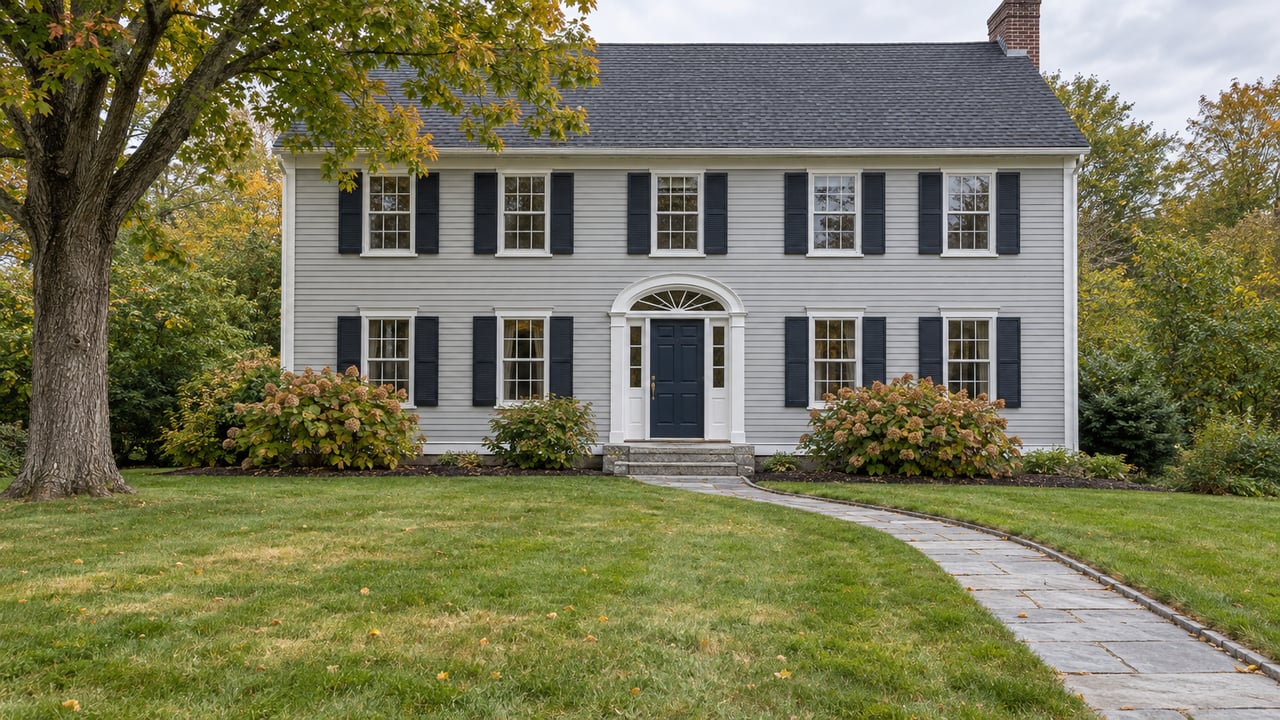
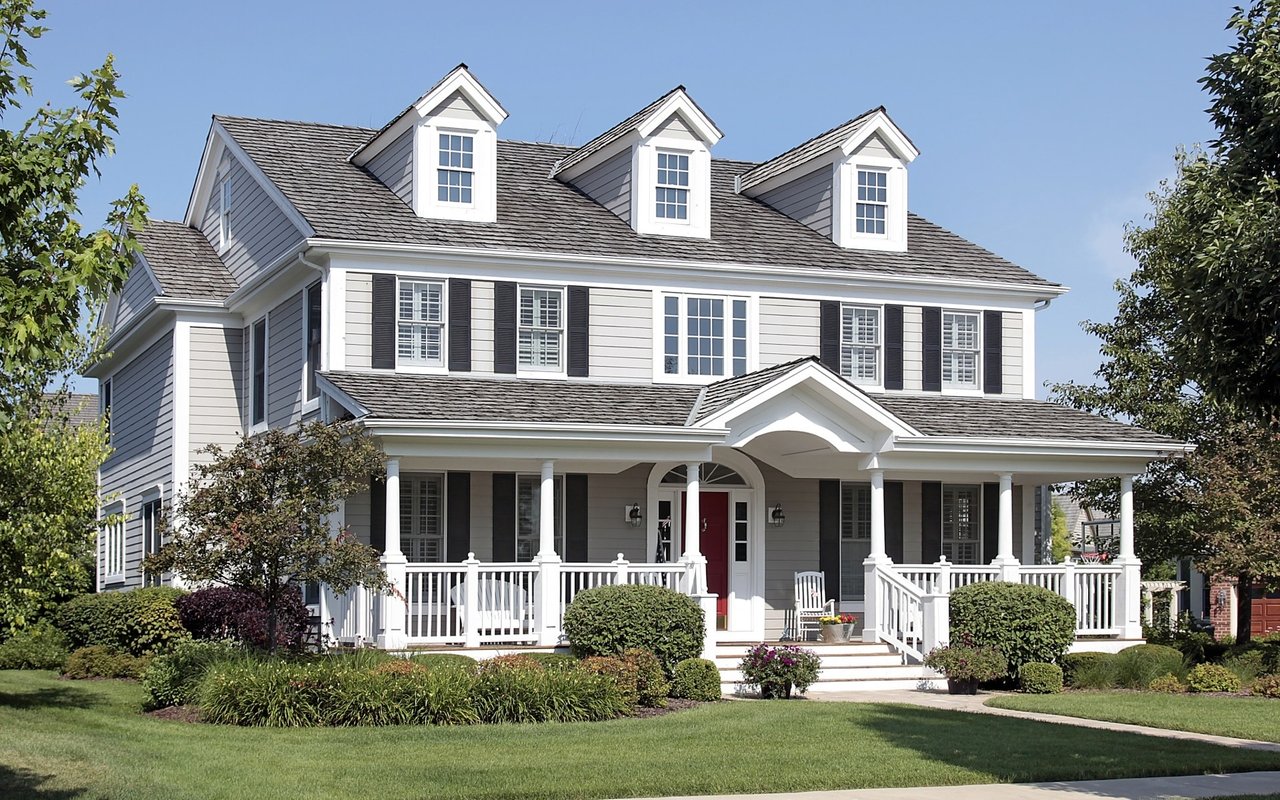
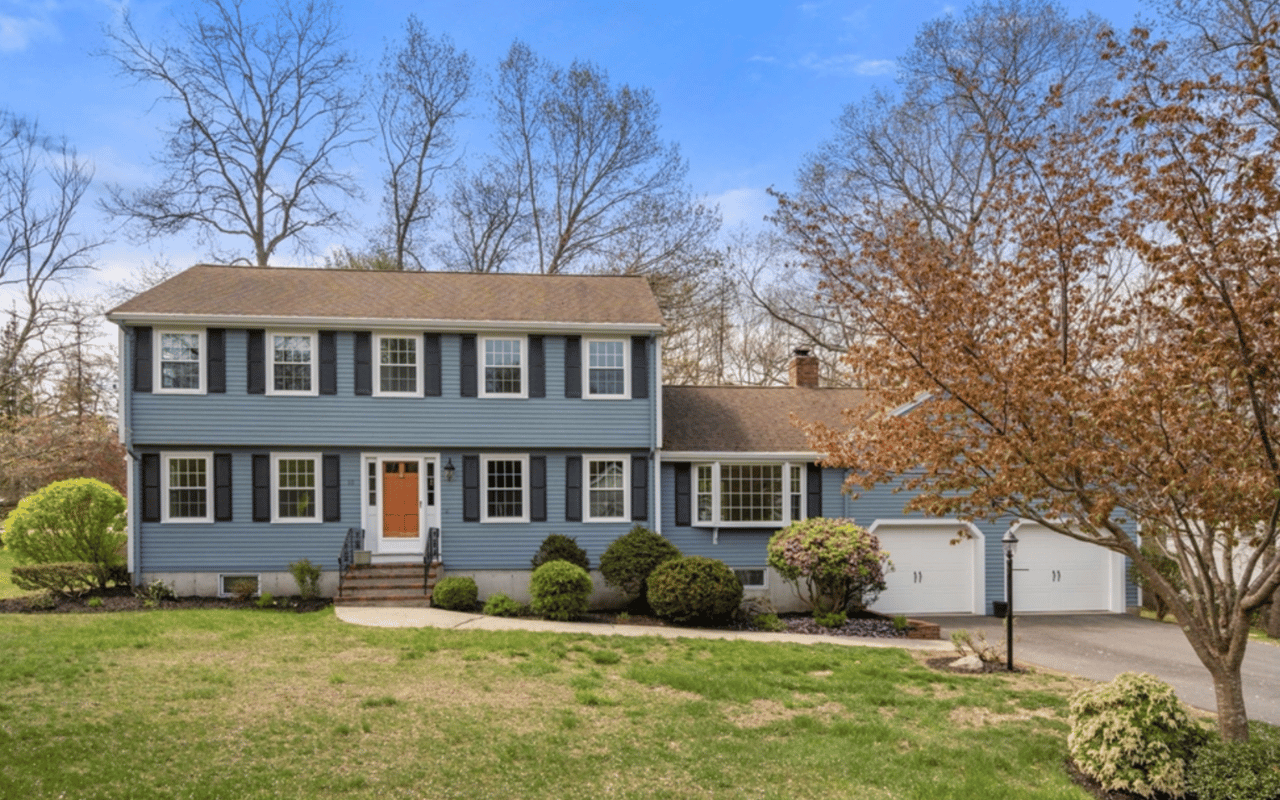
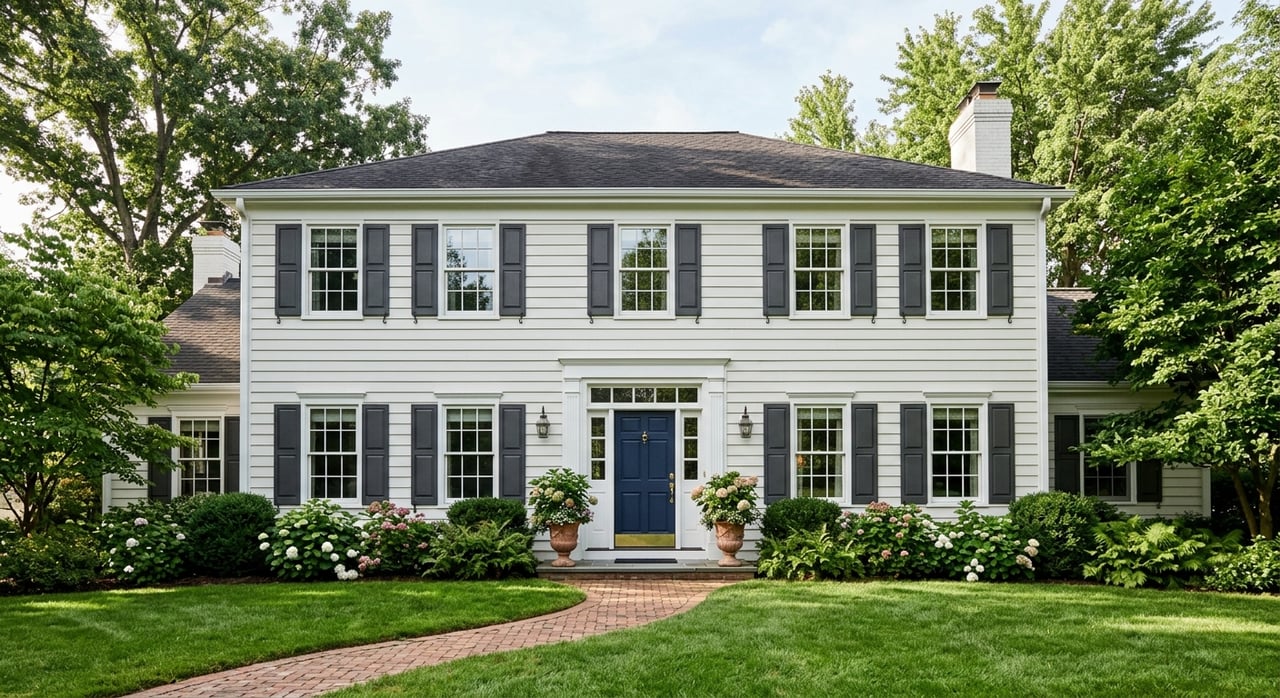
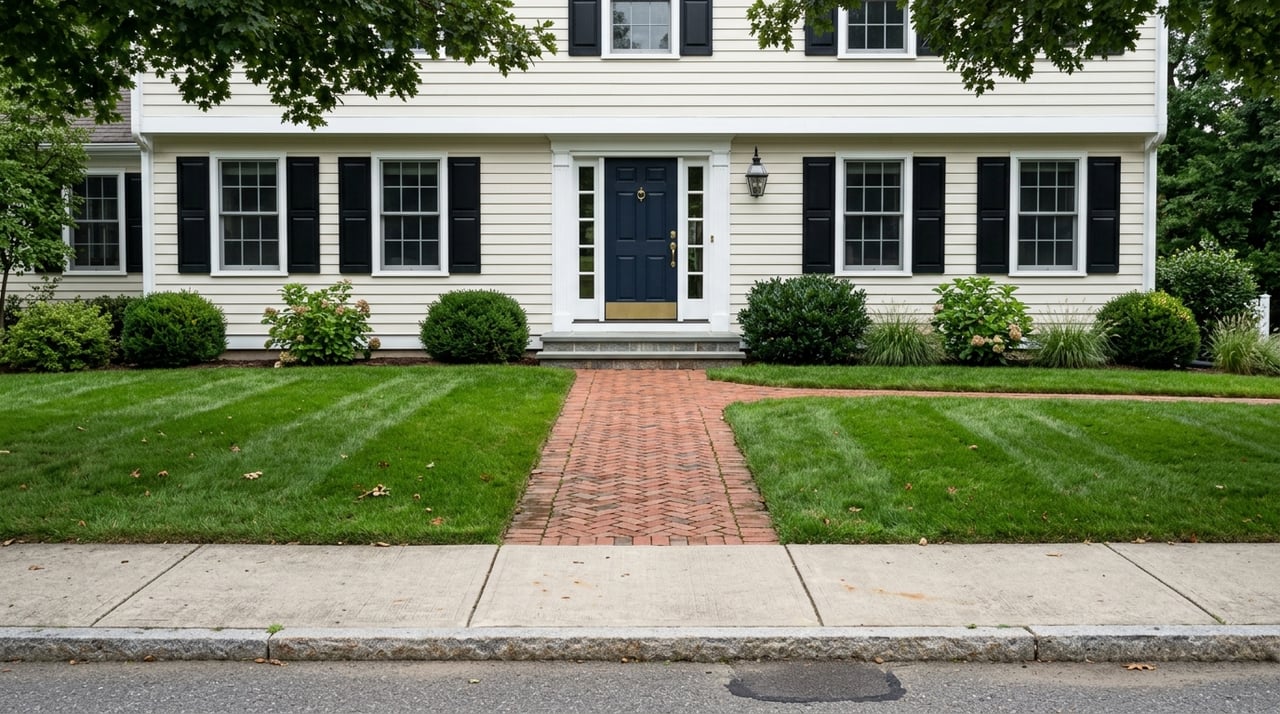
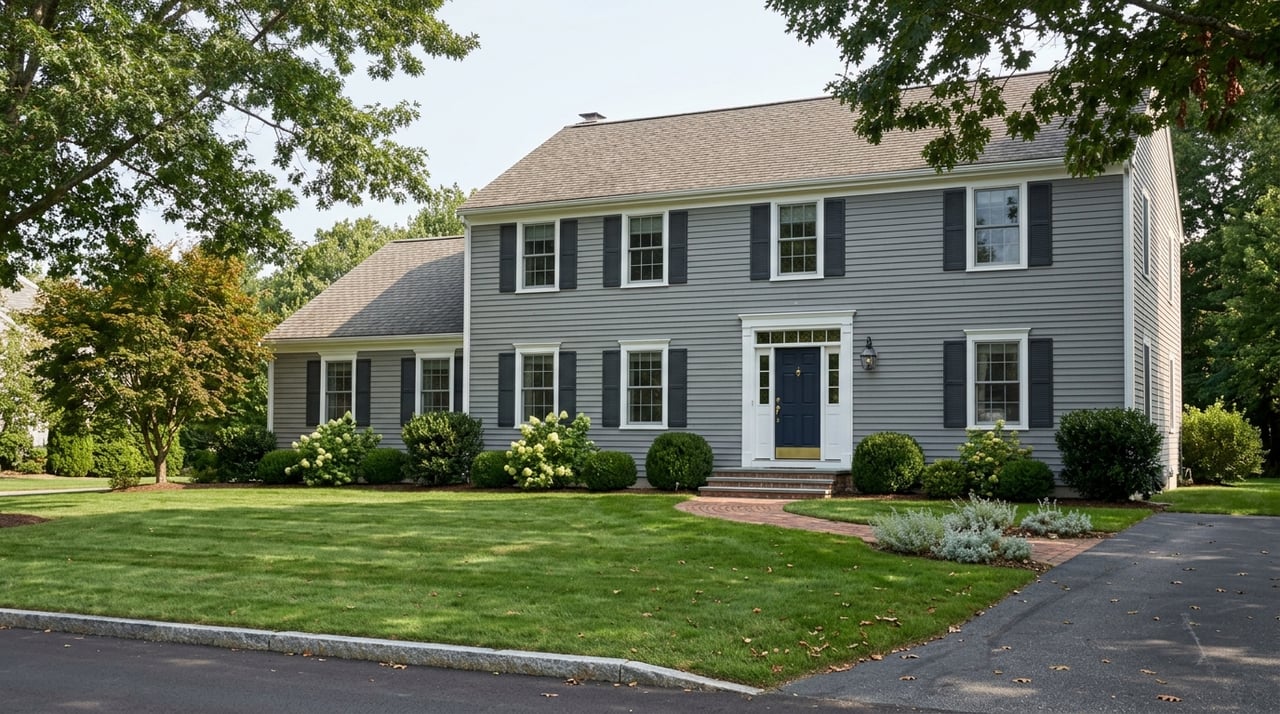
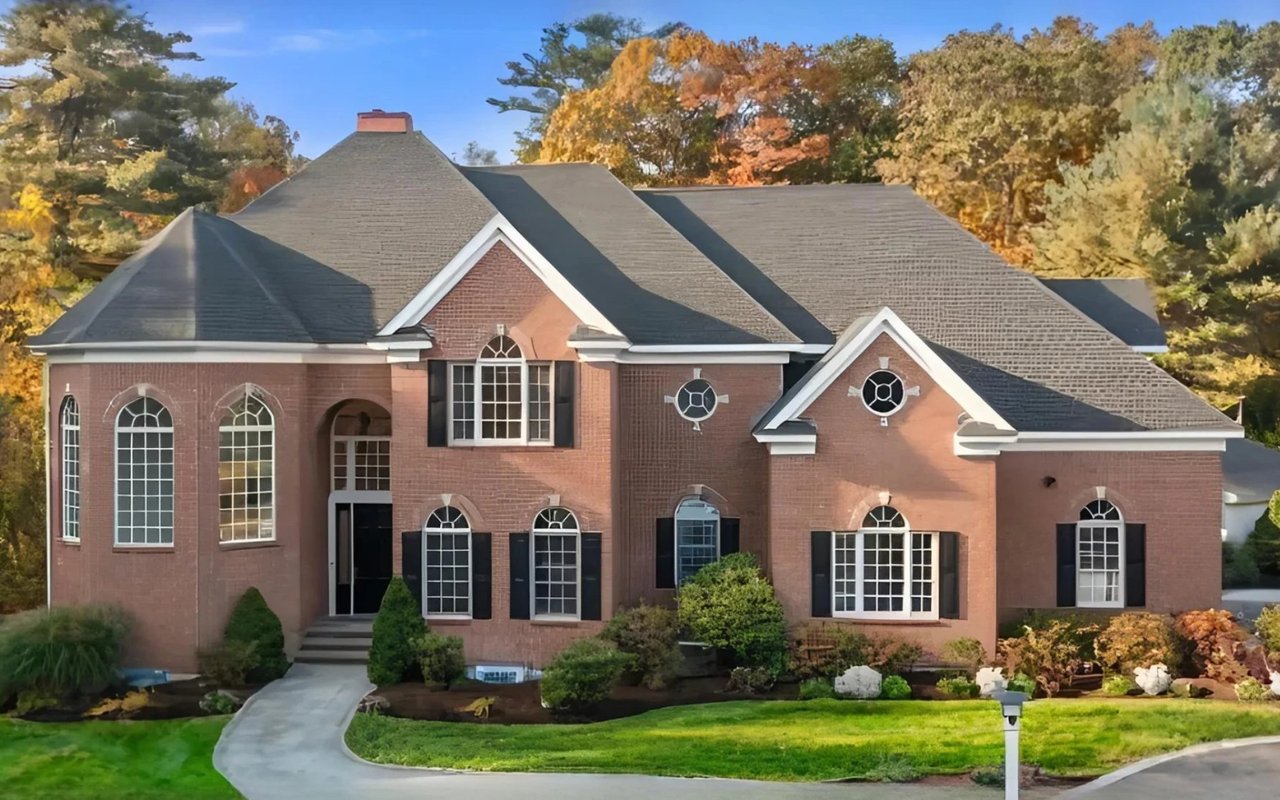
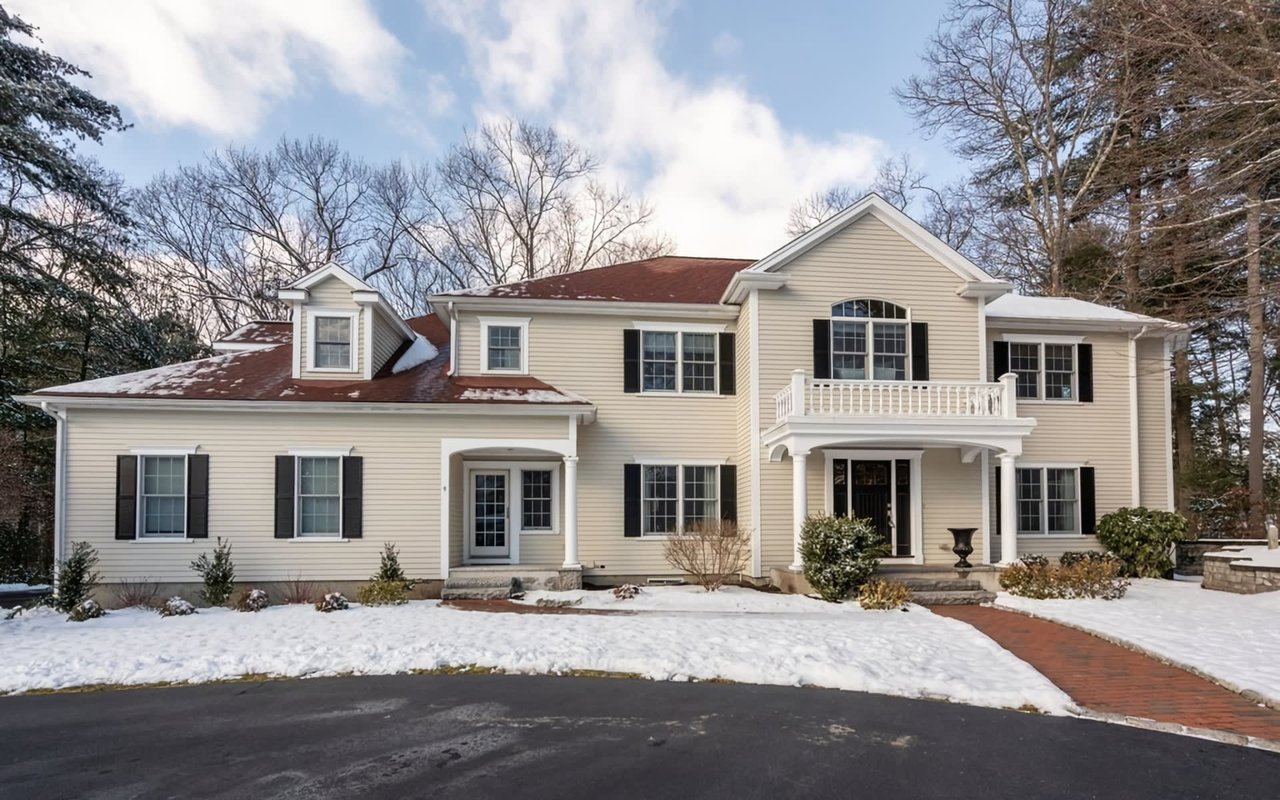
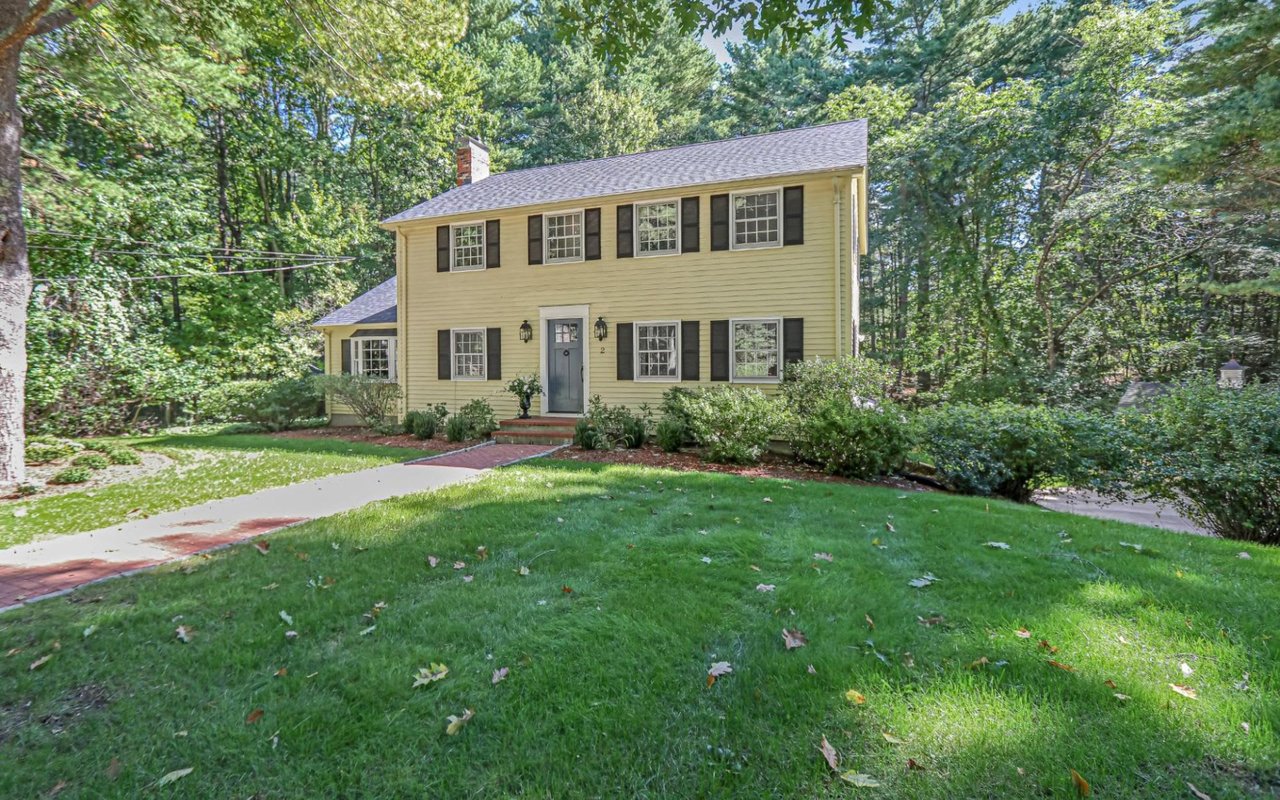
A larger Colonial near commuter routes may attract one kind of buyer. A high-end property in a more expensive pocket may draw another. Even within the same town, pricing and marketing should be tailored, not copied.
This is where local knowledge becomes a real advantage. A smart pricing strategy is not just about square footage or recent sales. It is about understanding how buyers interpret value in your specific part of Westwood.
Prepare the Home Before Buyers See It
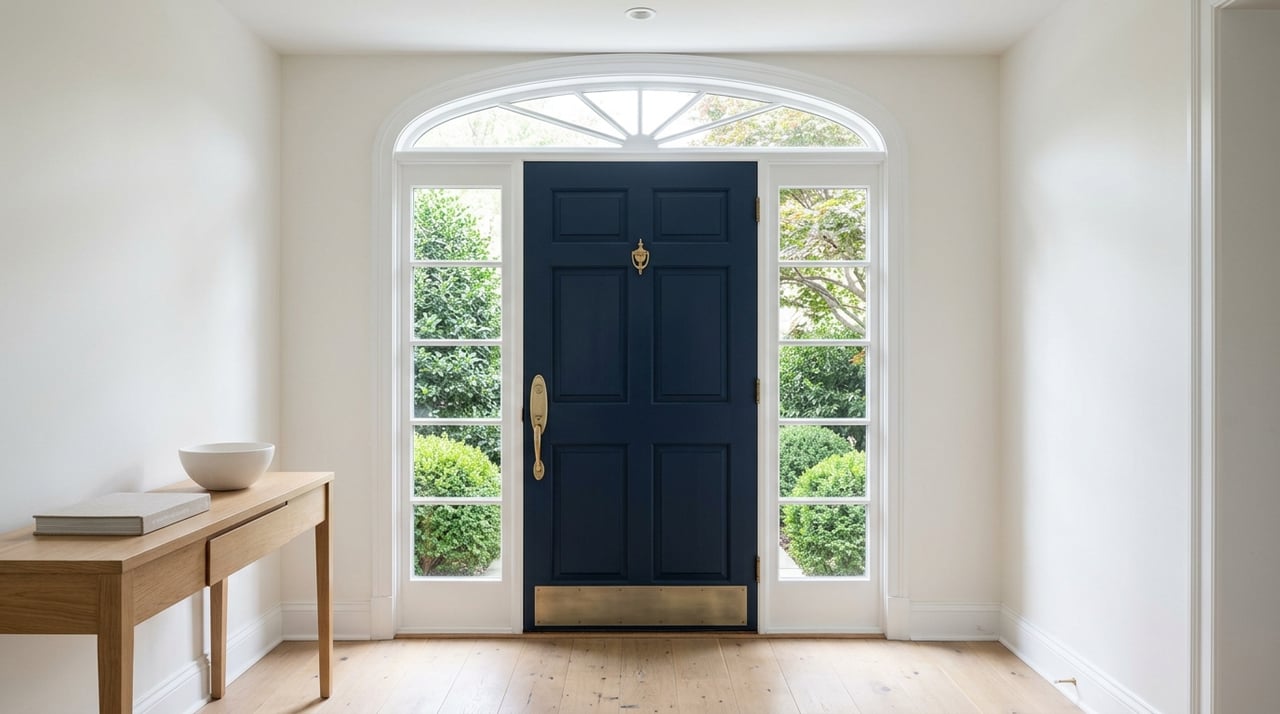
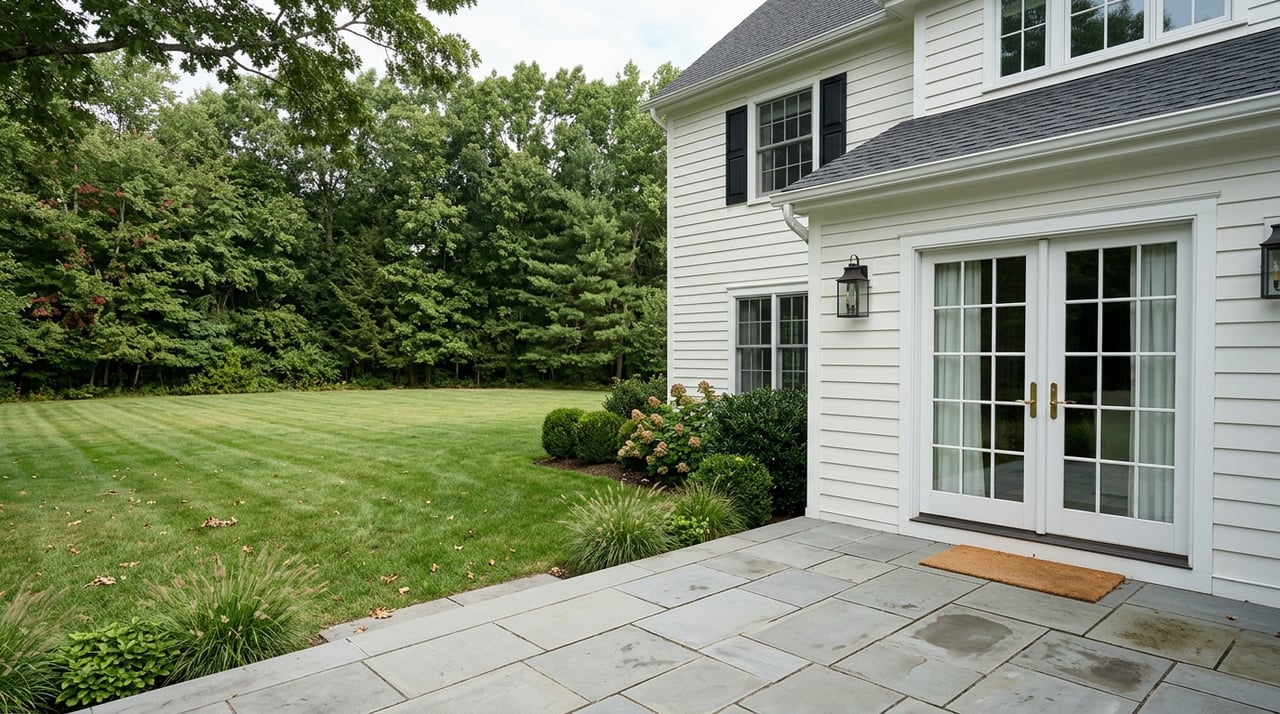
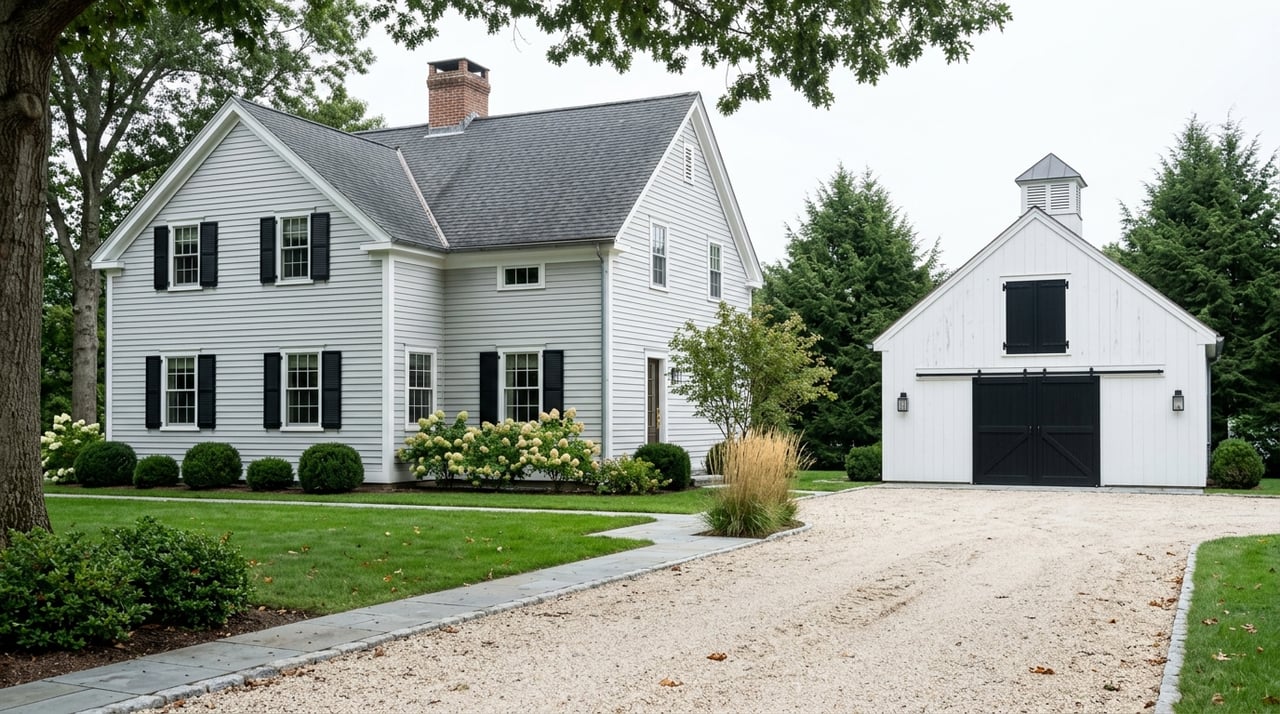
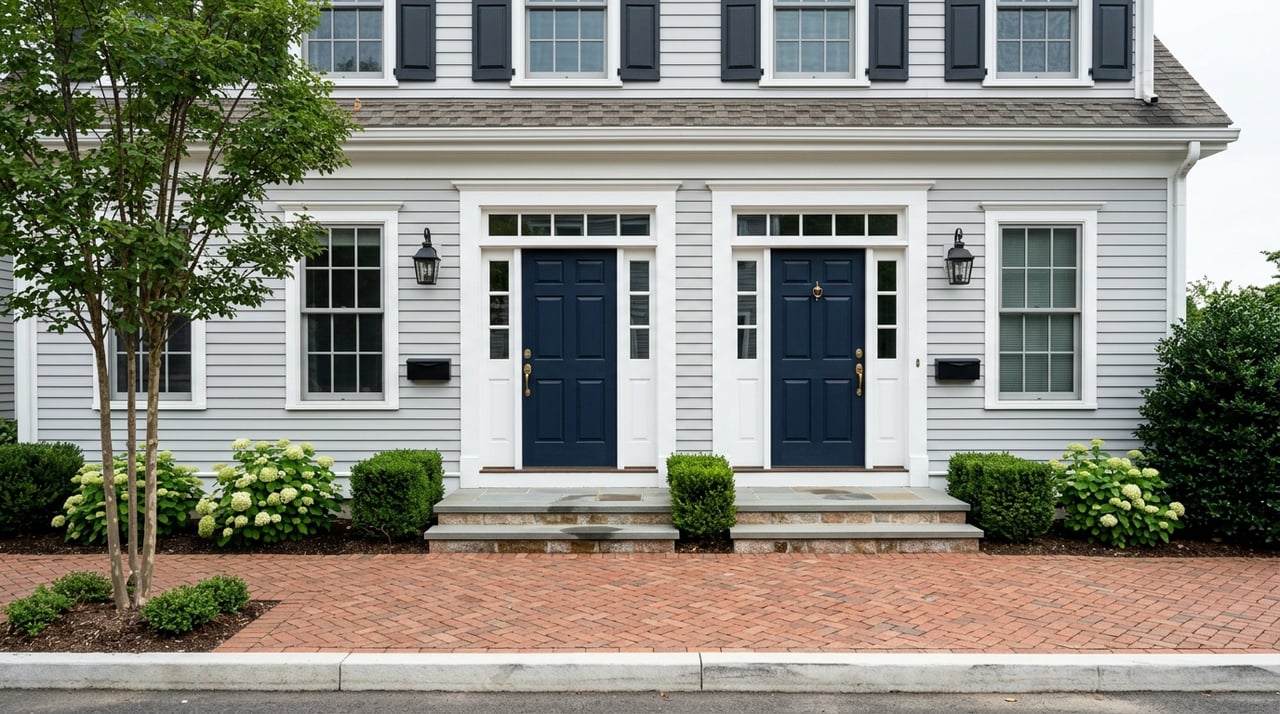
In the high-end market, buyers often decide how they feel about a home before they ever step inside. That is why pre-market preparation matters. Clean presentation helps buyers focus on the home itself rather than the work they think they may need to do.
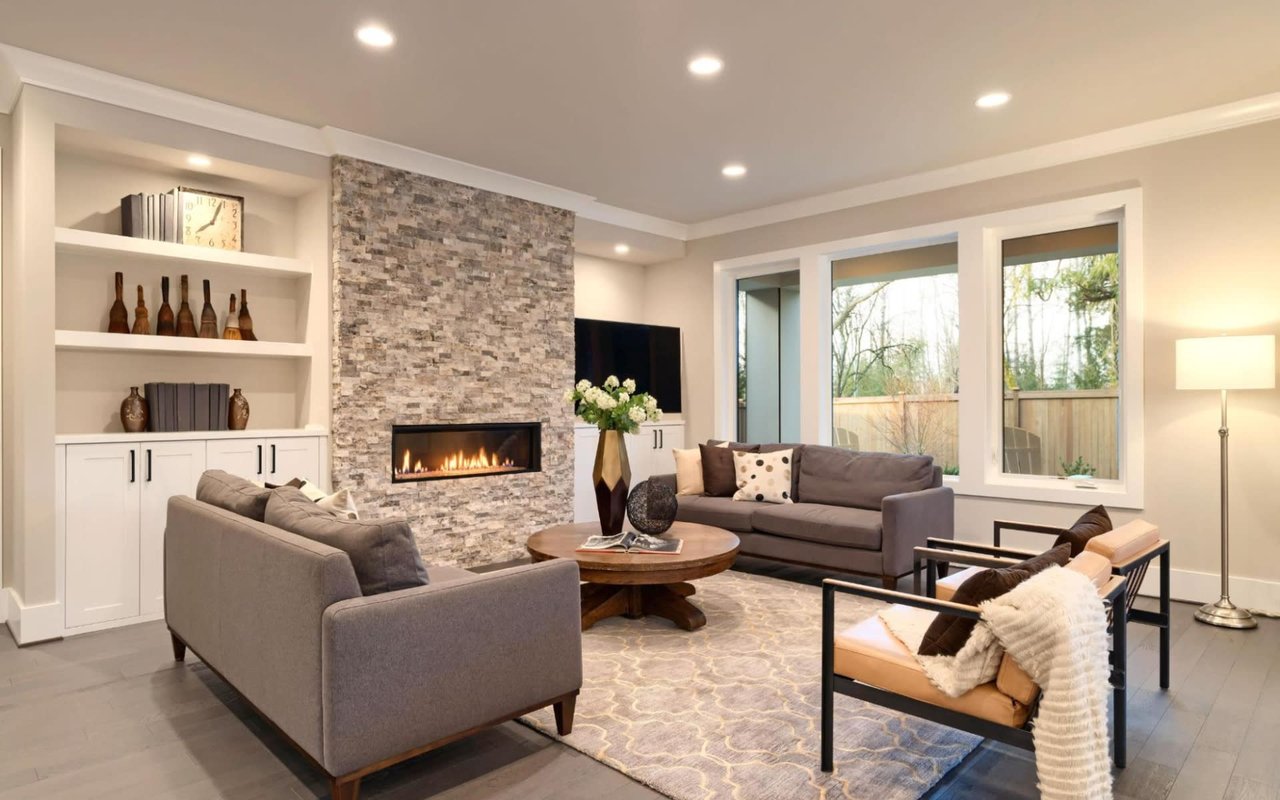
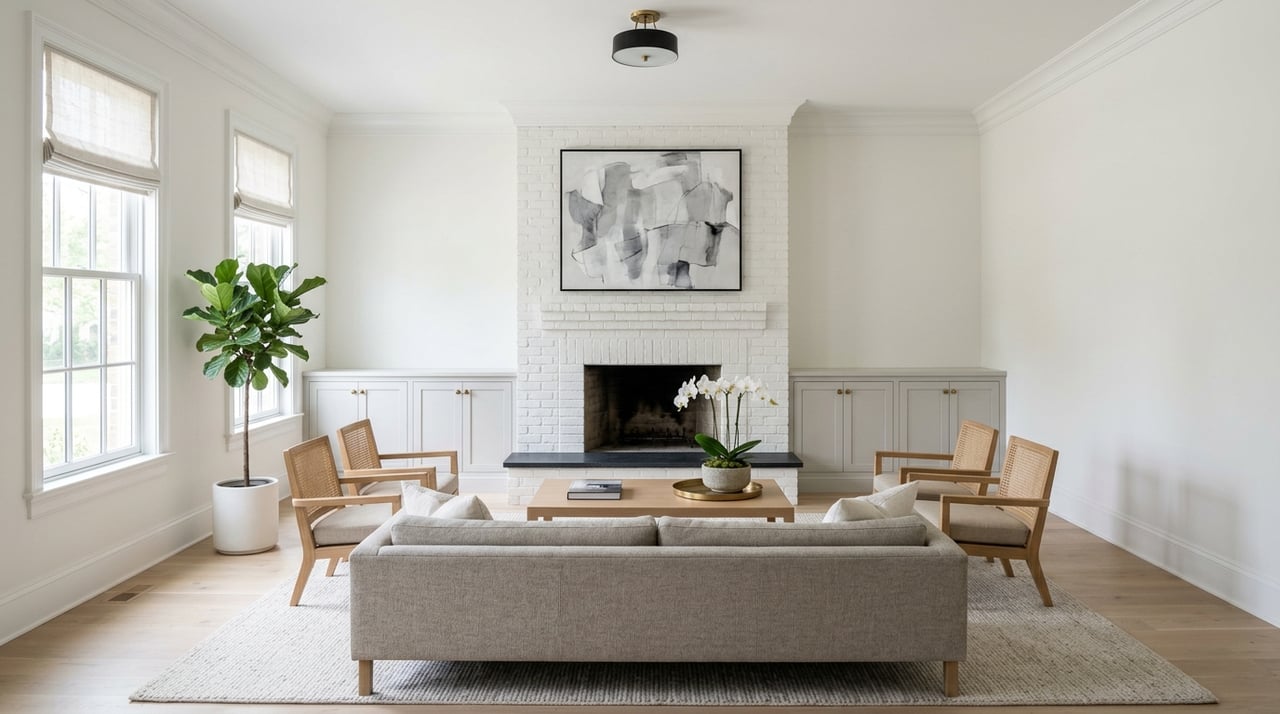
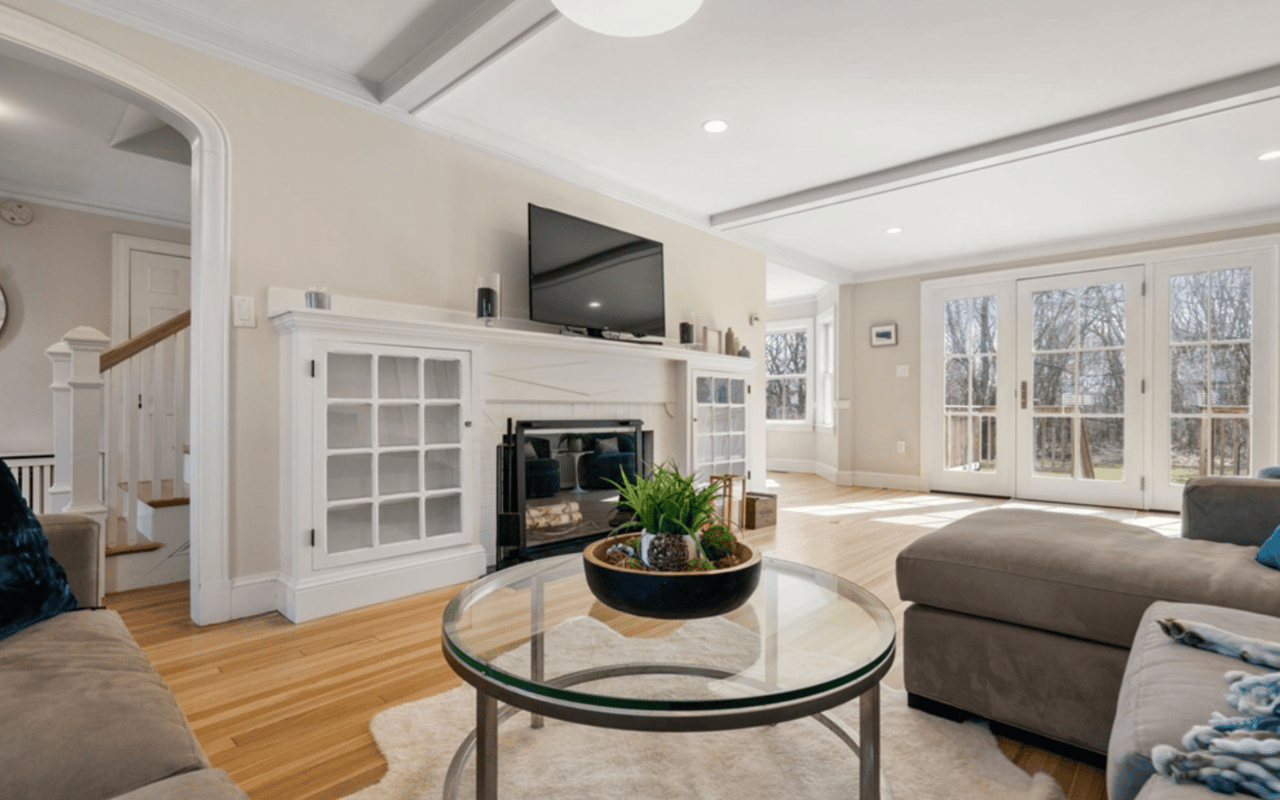
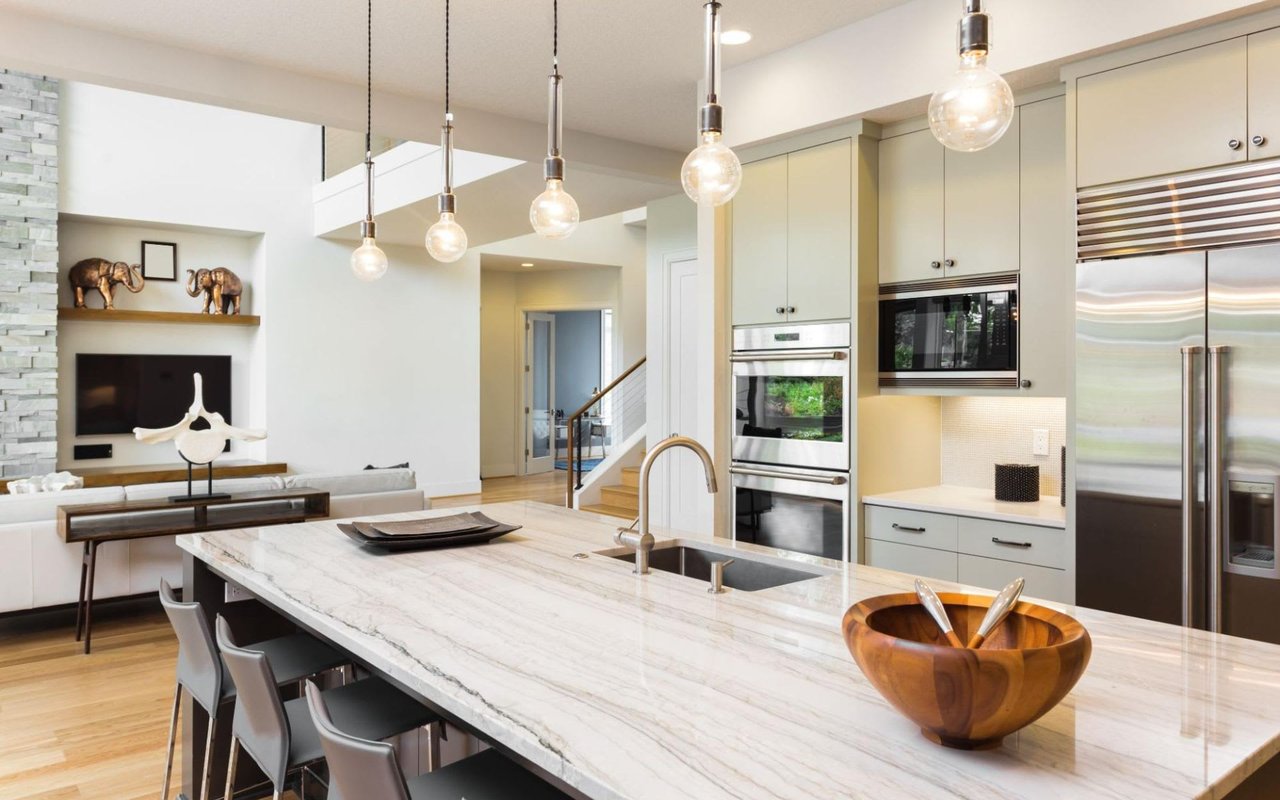
Staging can play an important role here. According to the 2023 NAR staging study in the research report, 81% of buyers’ agents said staging helps buyers visualize a property as a future home. For Westwood sellers, that supports staging as a practical tool, not just a design extra.
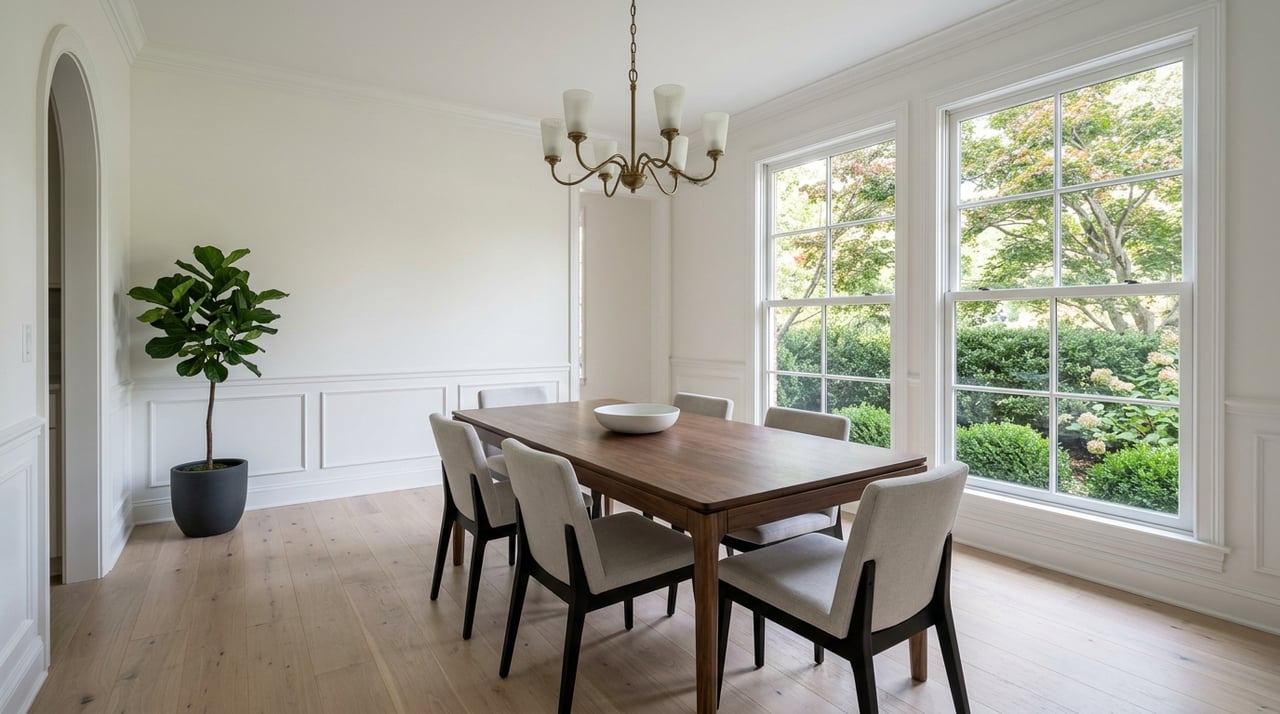
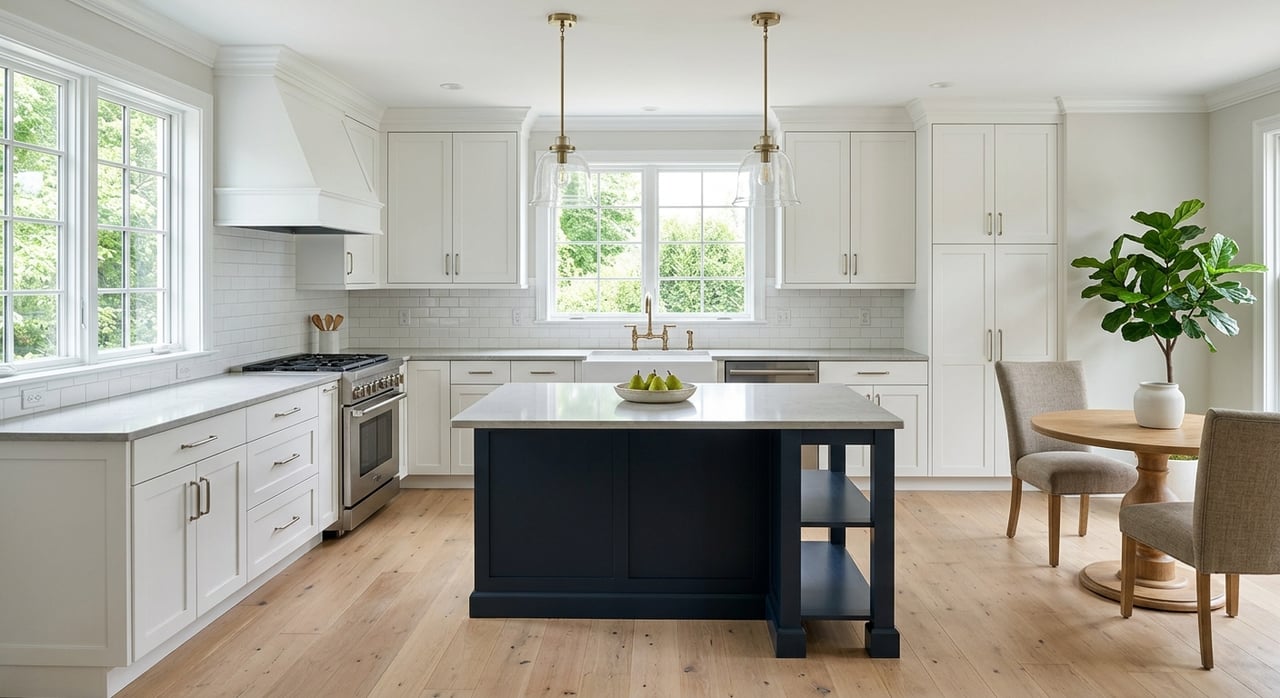
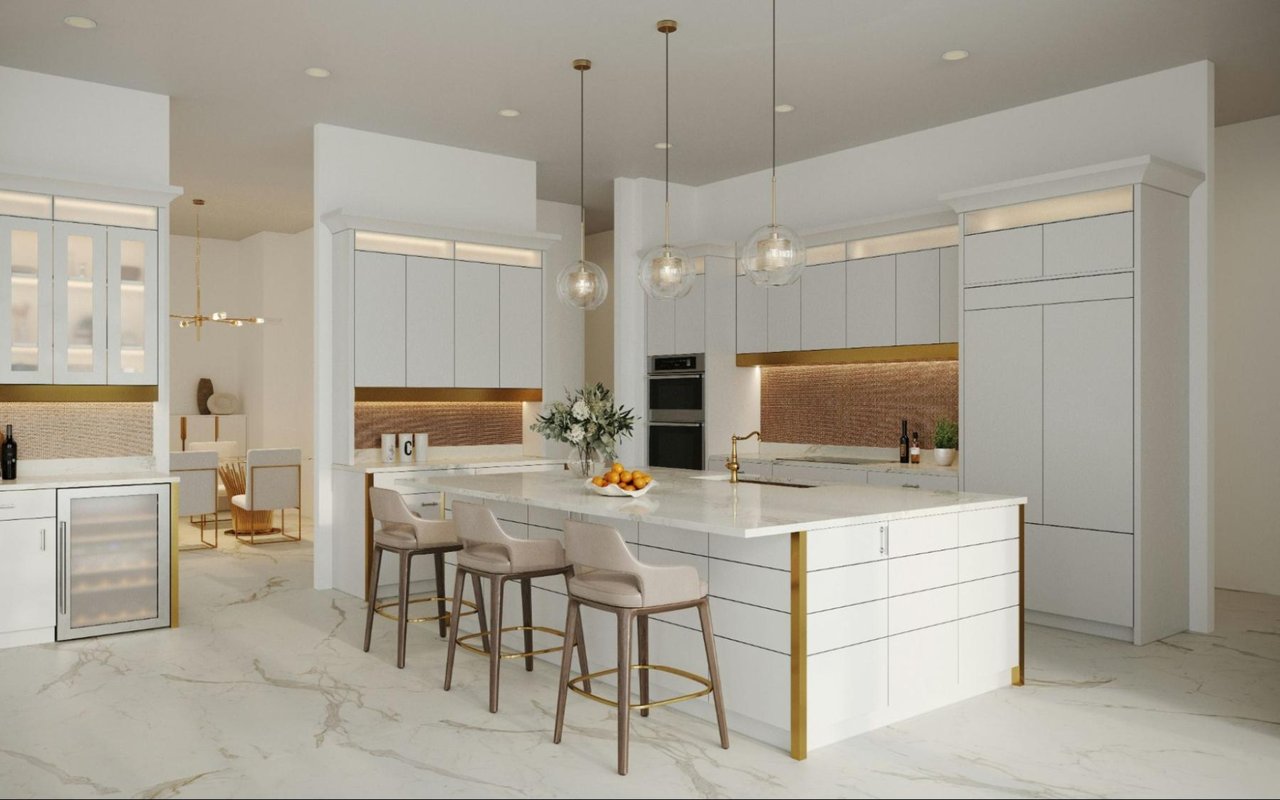
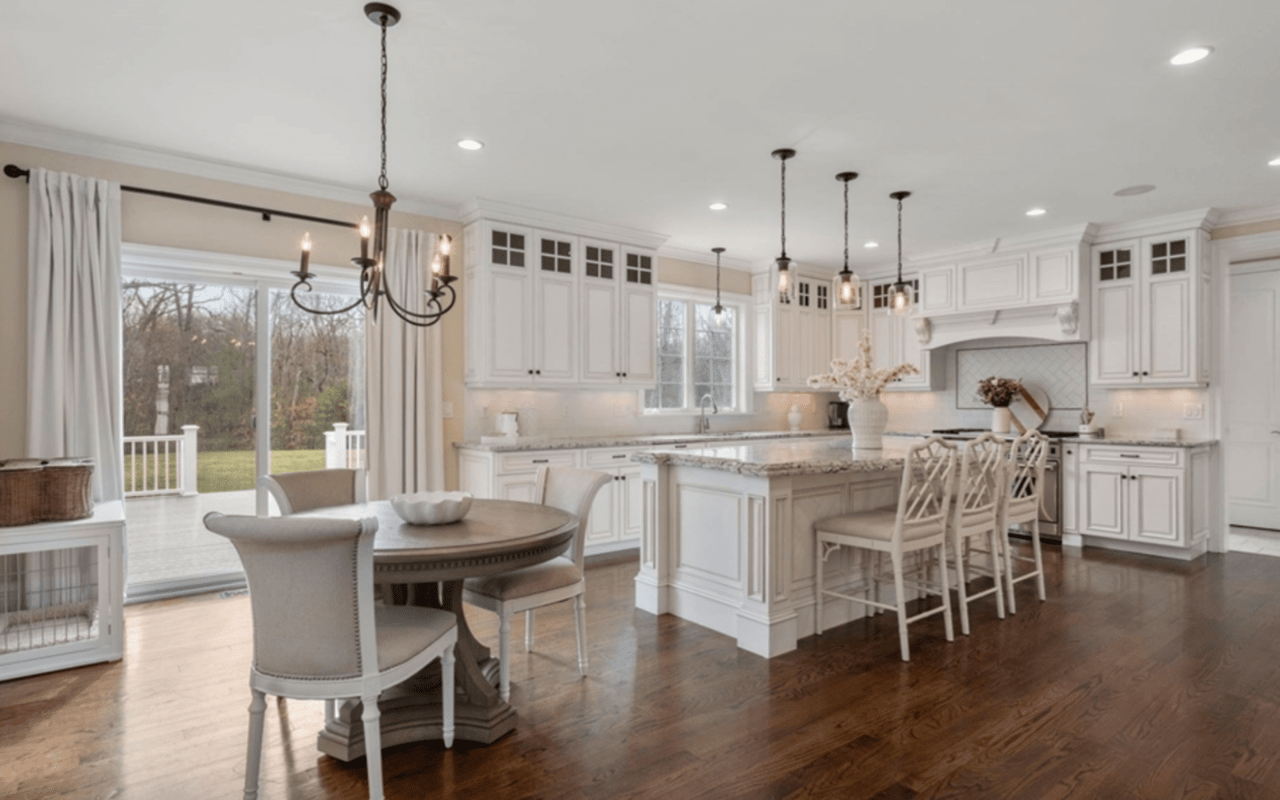
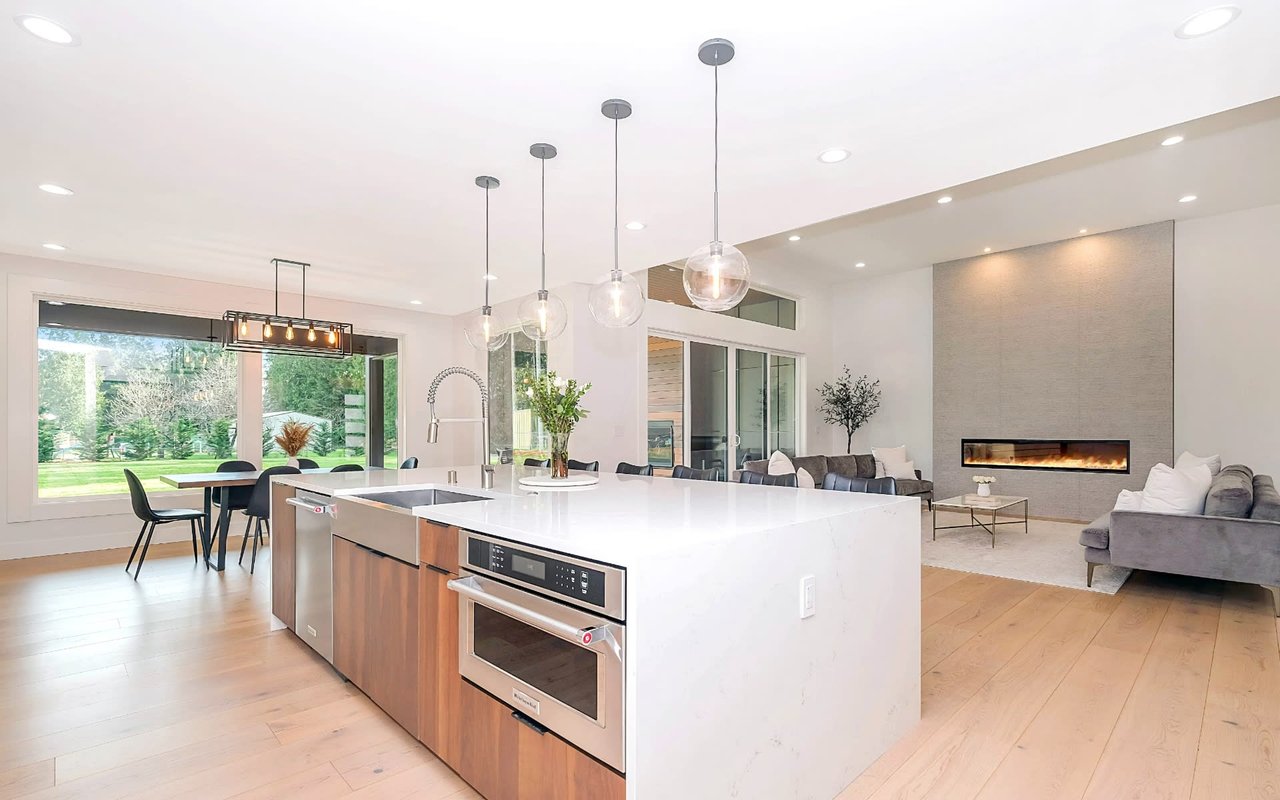
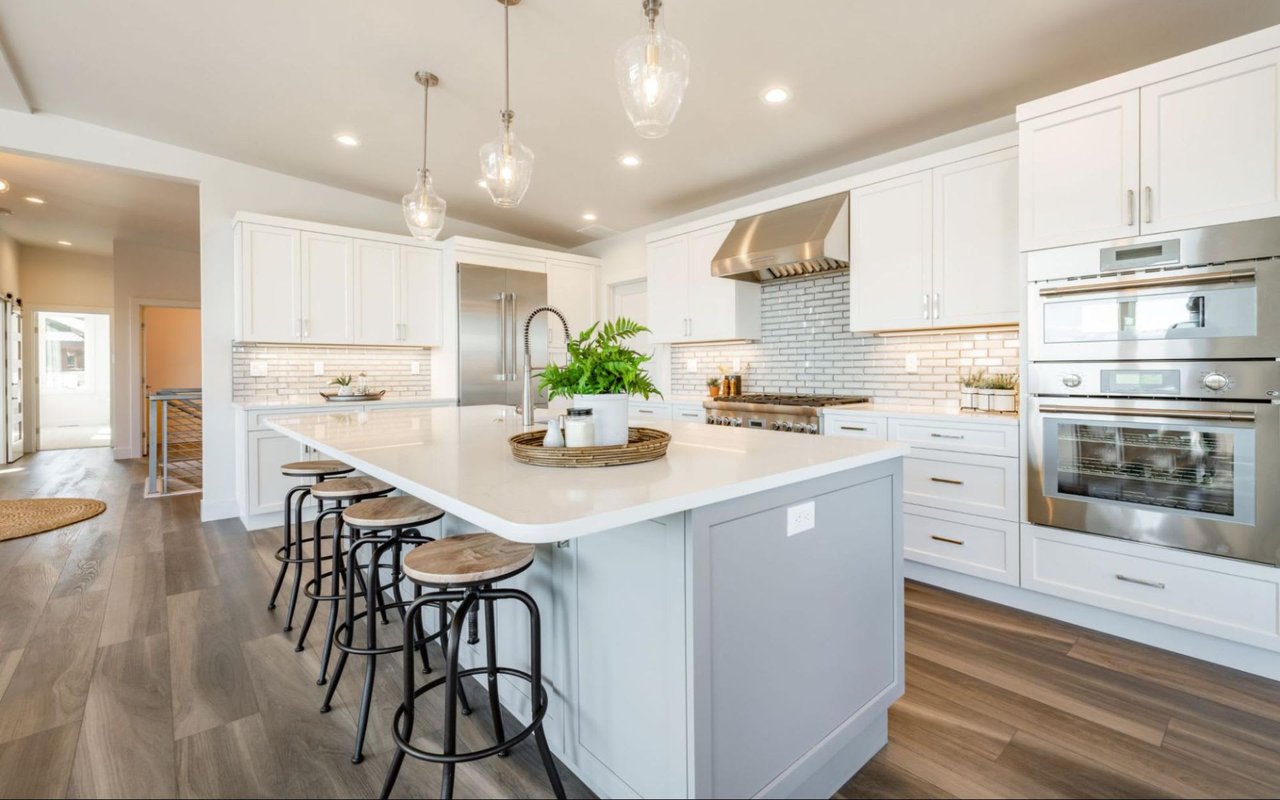
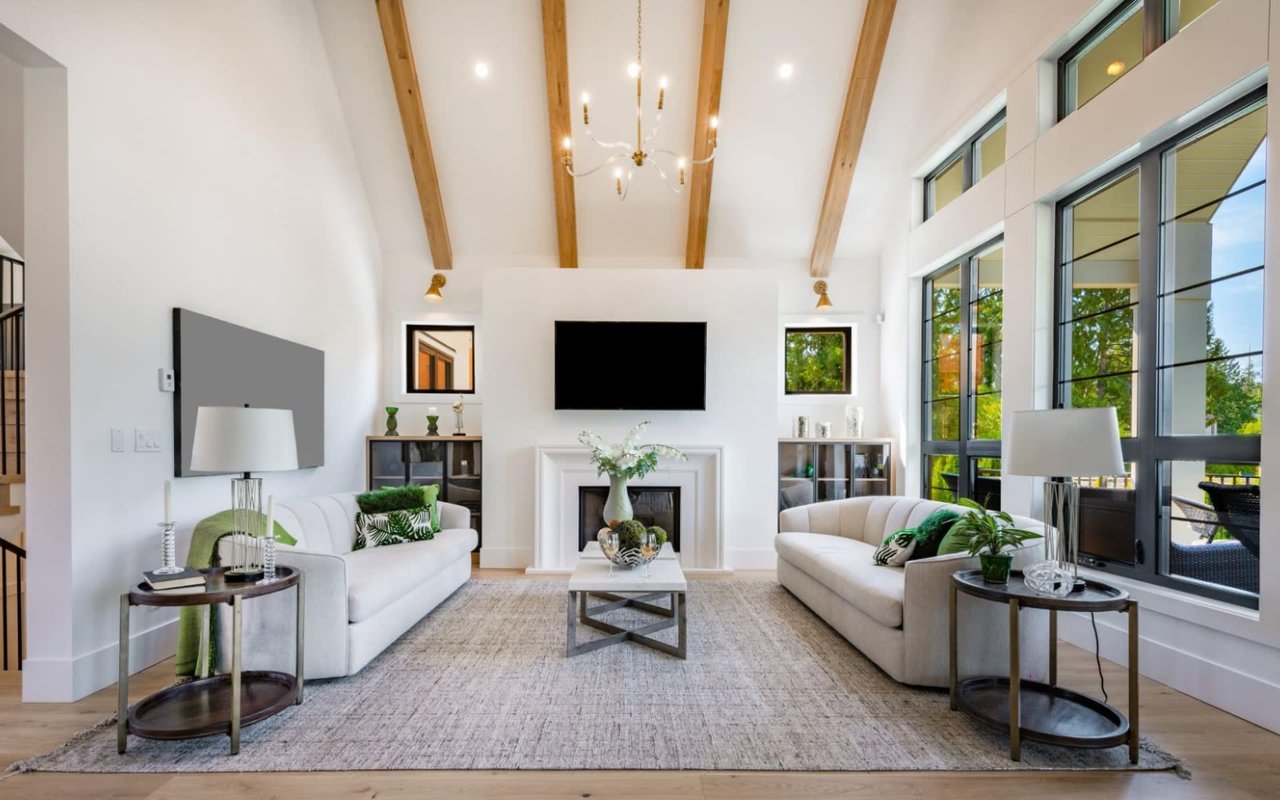
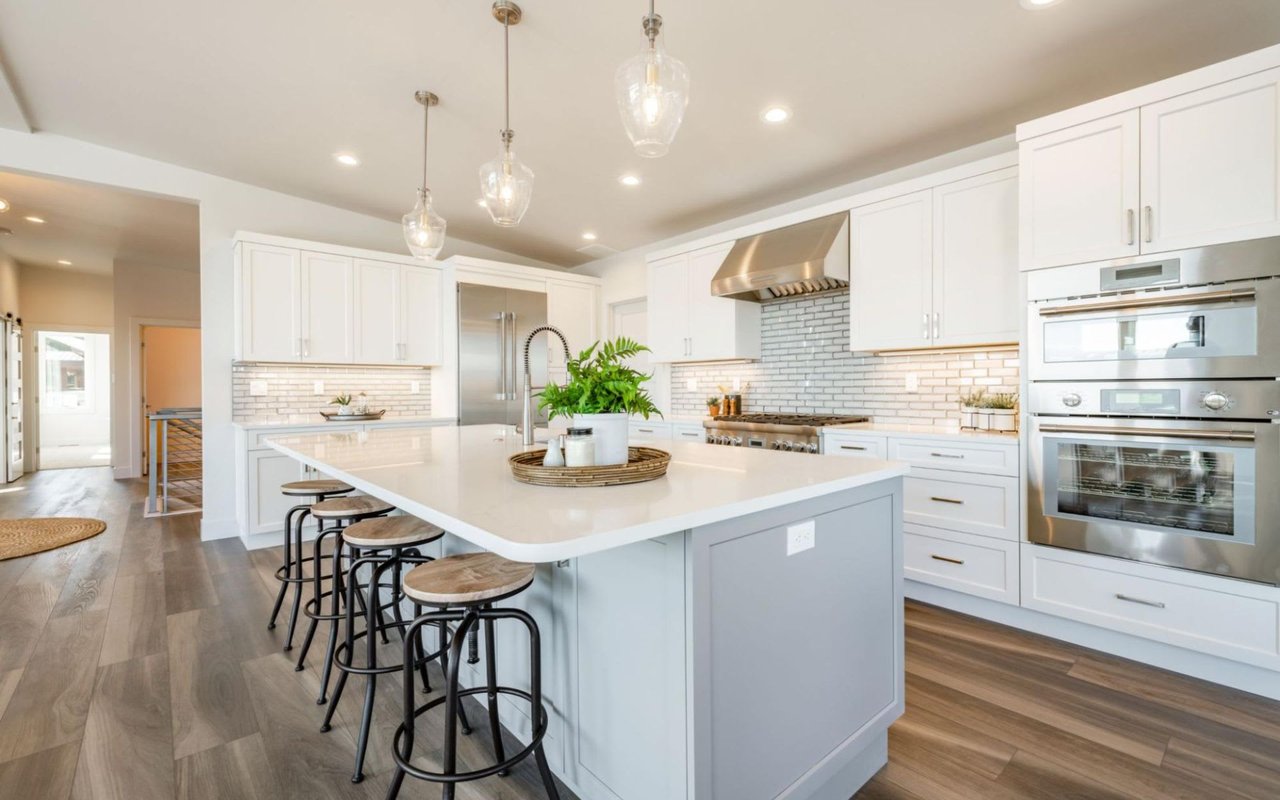
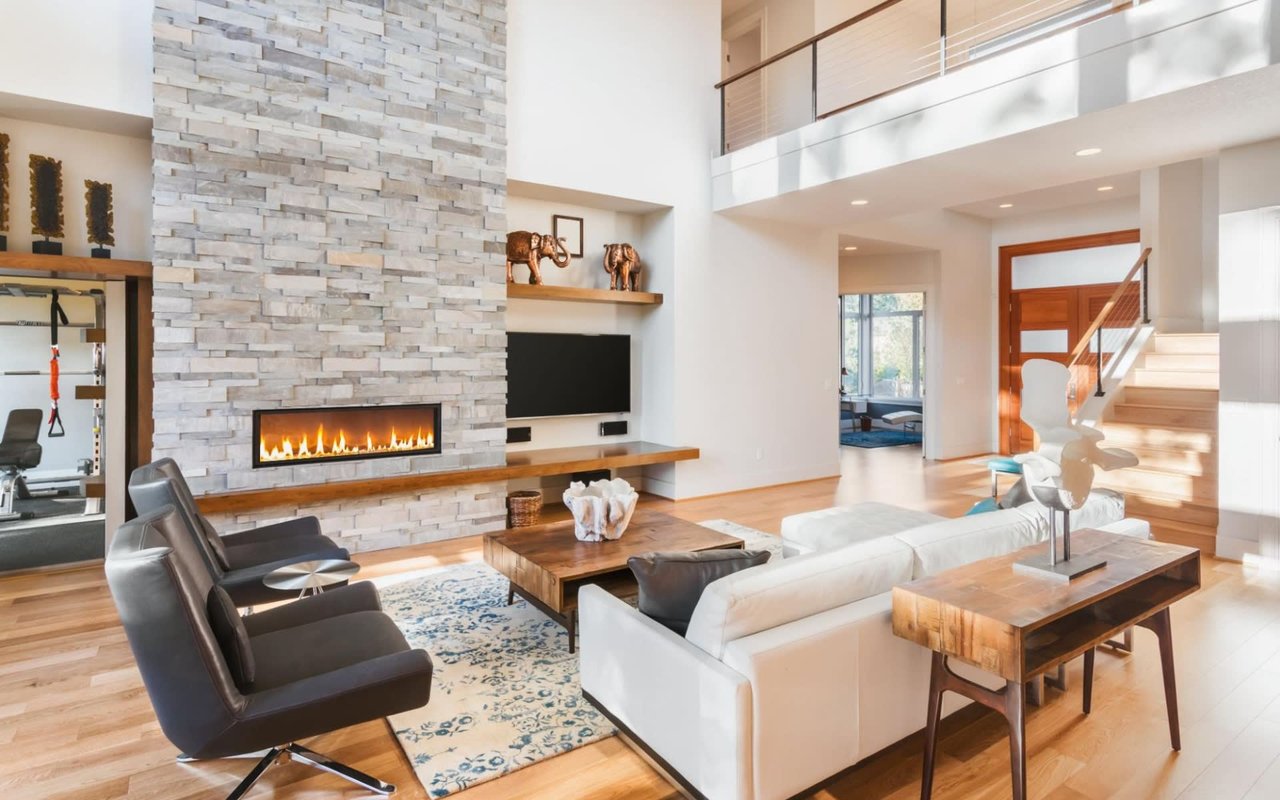
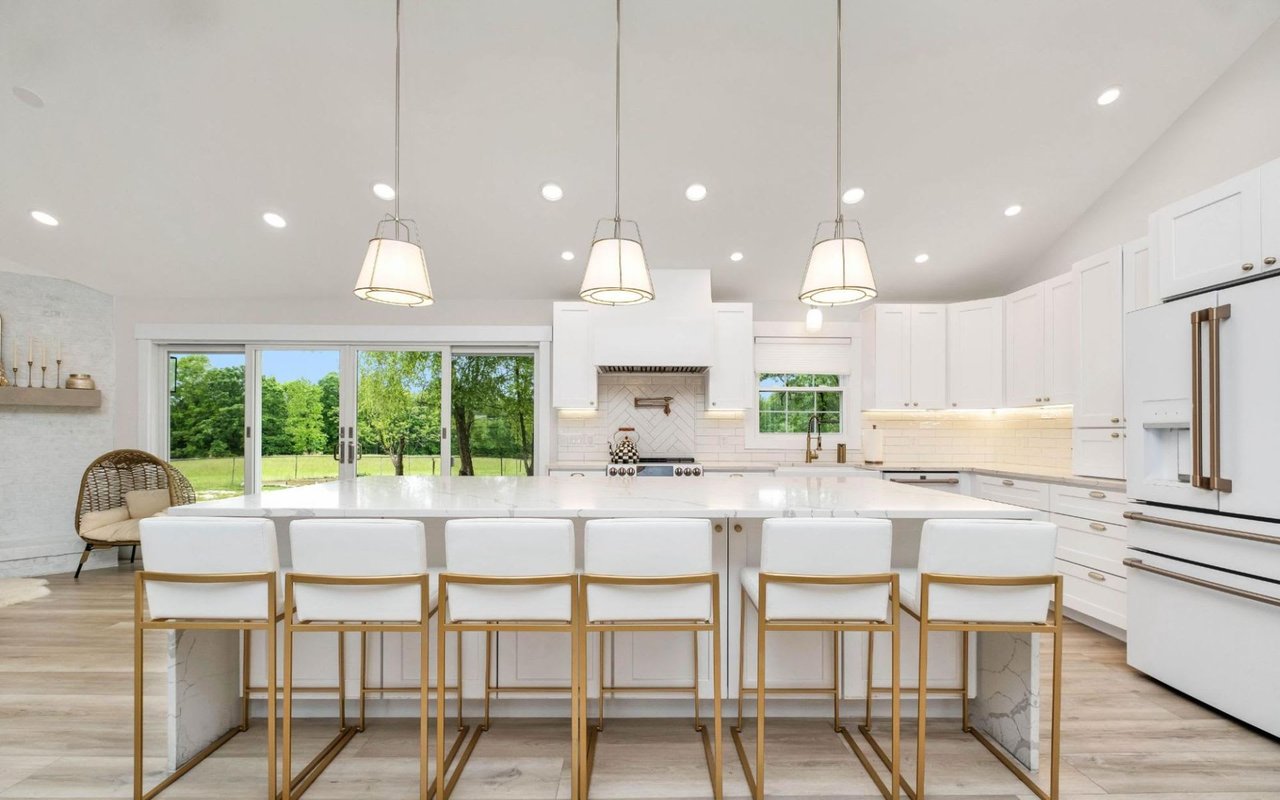
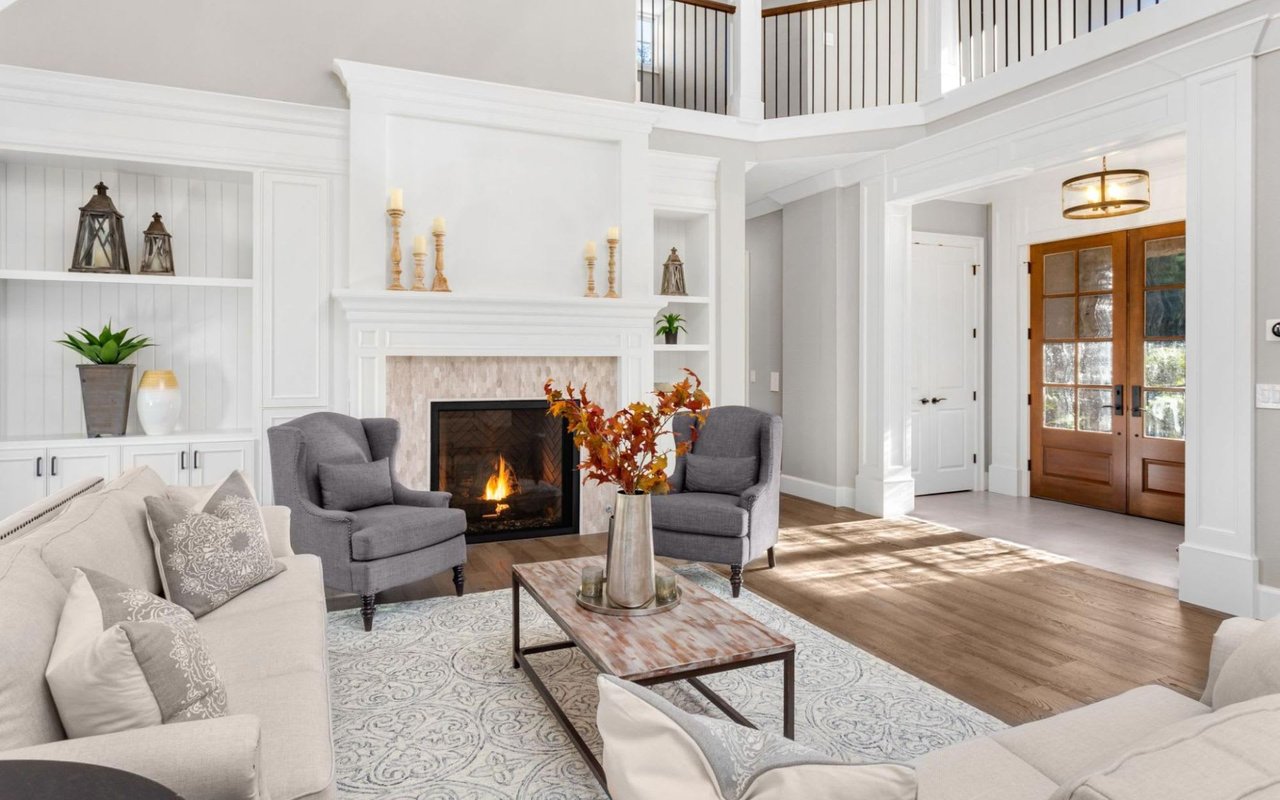
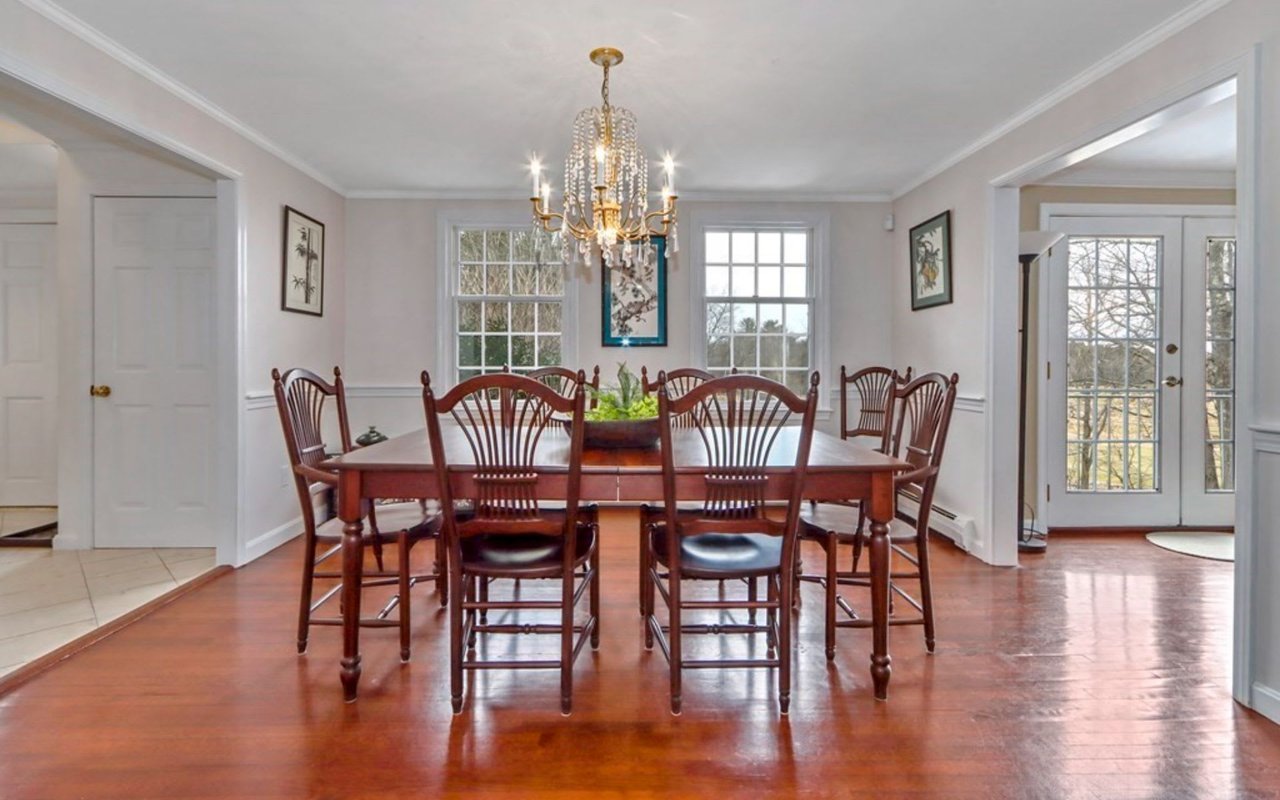
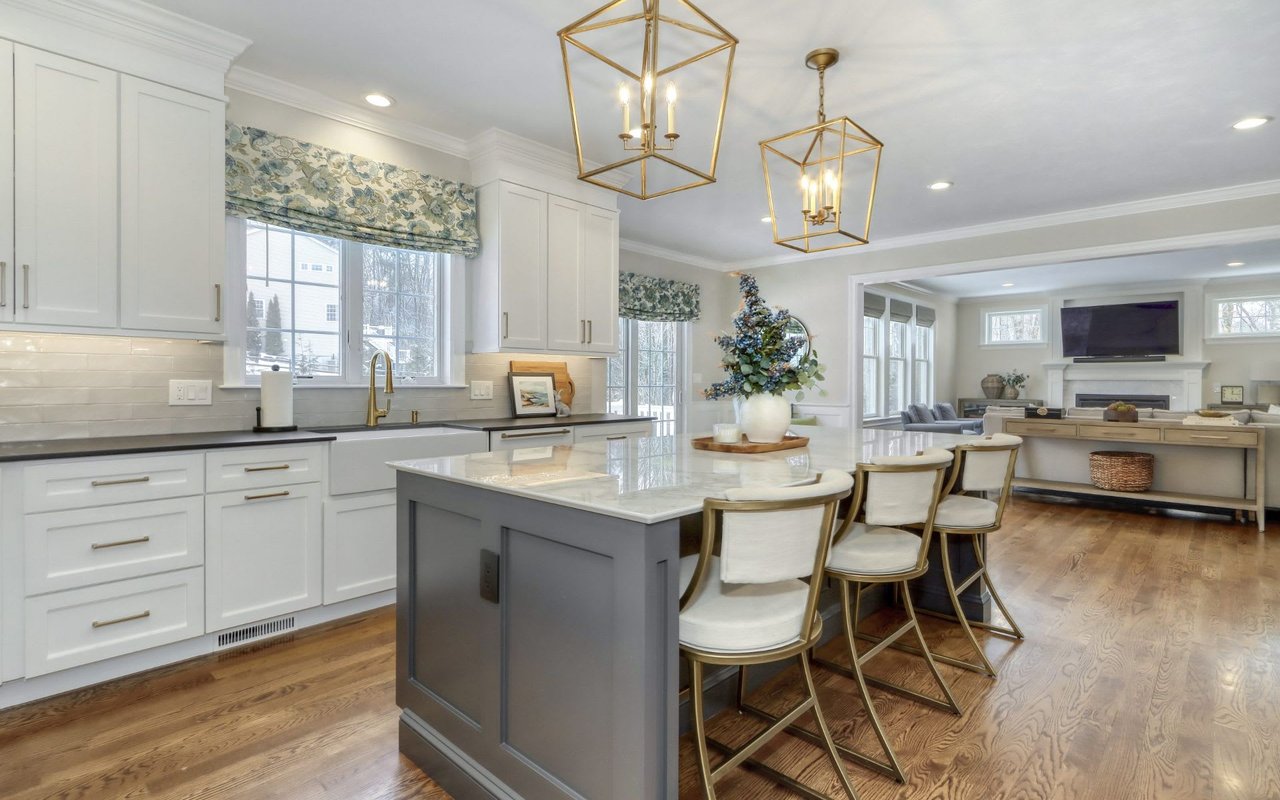
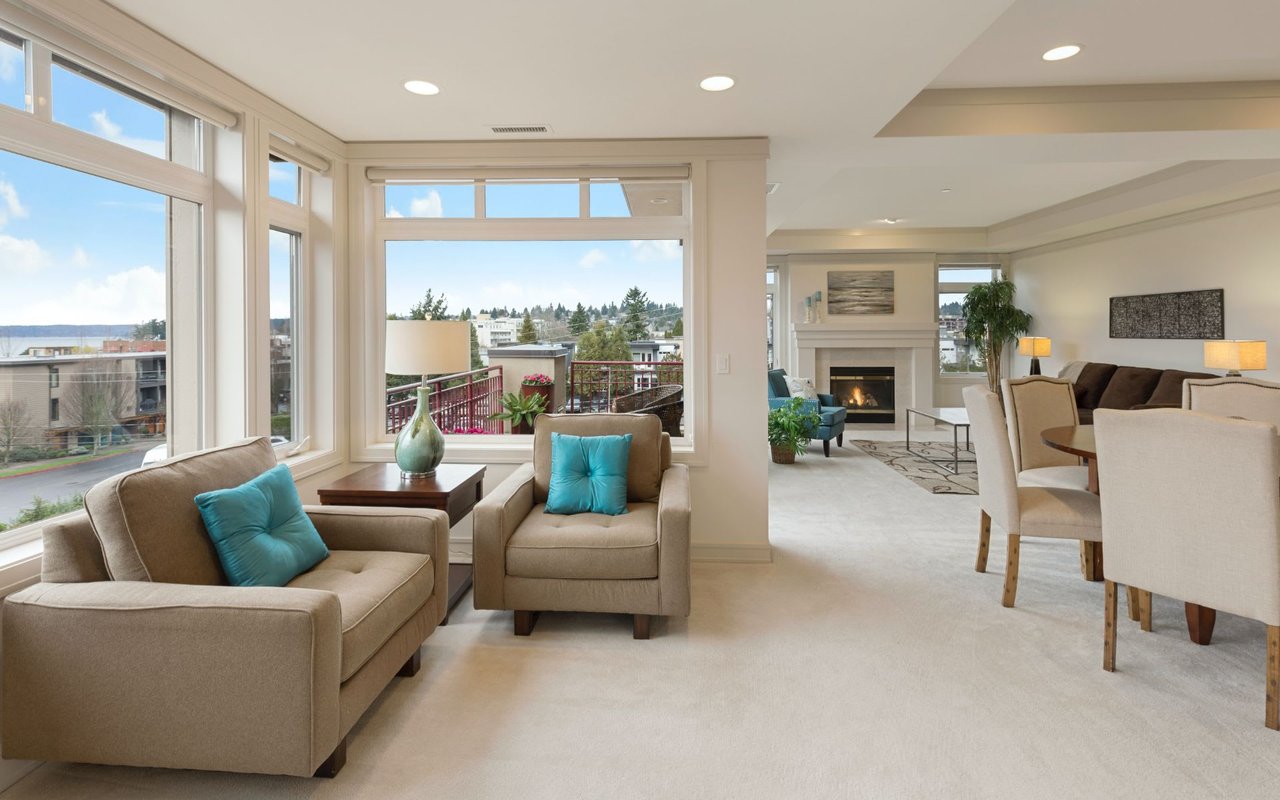
The same study points to the rooms that matter most. Buyers’ agents ranked the living room, primary bedroom, and kitchen as especially important to stage, and sellers’ agents most often staged the living room, kitchen, primary bedroom, and dining room.
Focus on High-Impact Rooms
If you want the best return on effort, start with the rooms buyers notice first:
- Living room
- Kitchen
- Primary bedroom
- Dining room
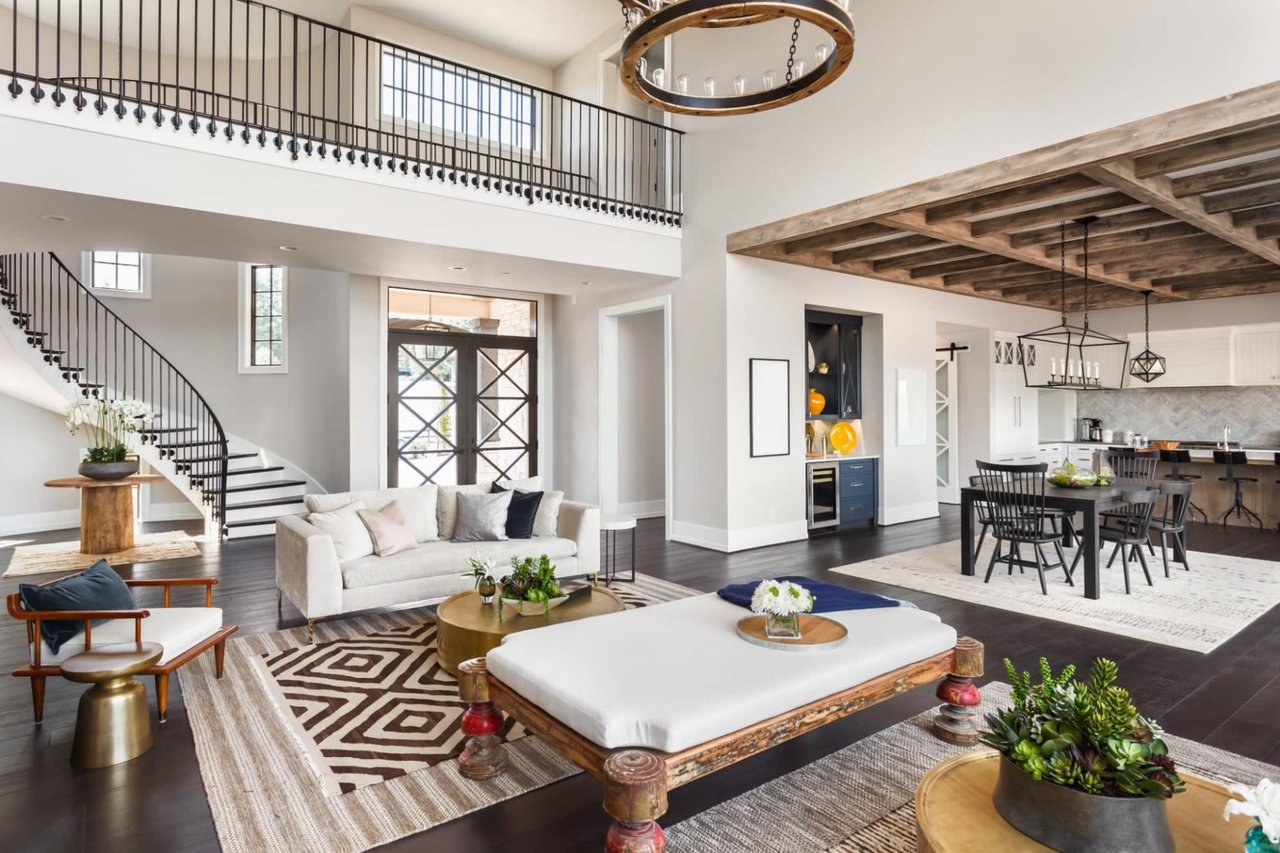
These spaces often set the tone for the whole showing. When they feel bright, balanced, and move-in ready, the rest of the home tends to benefit.
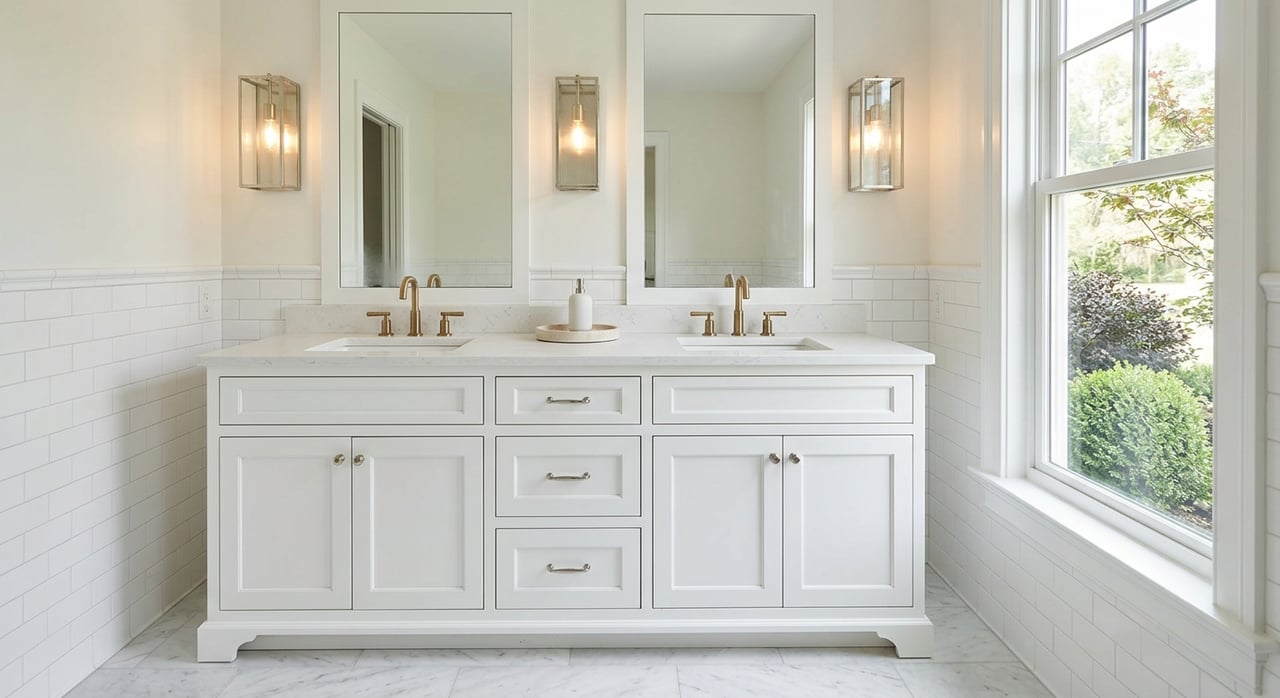
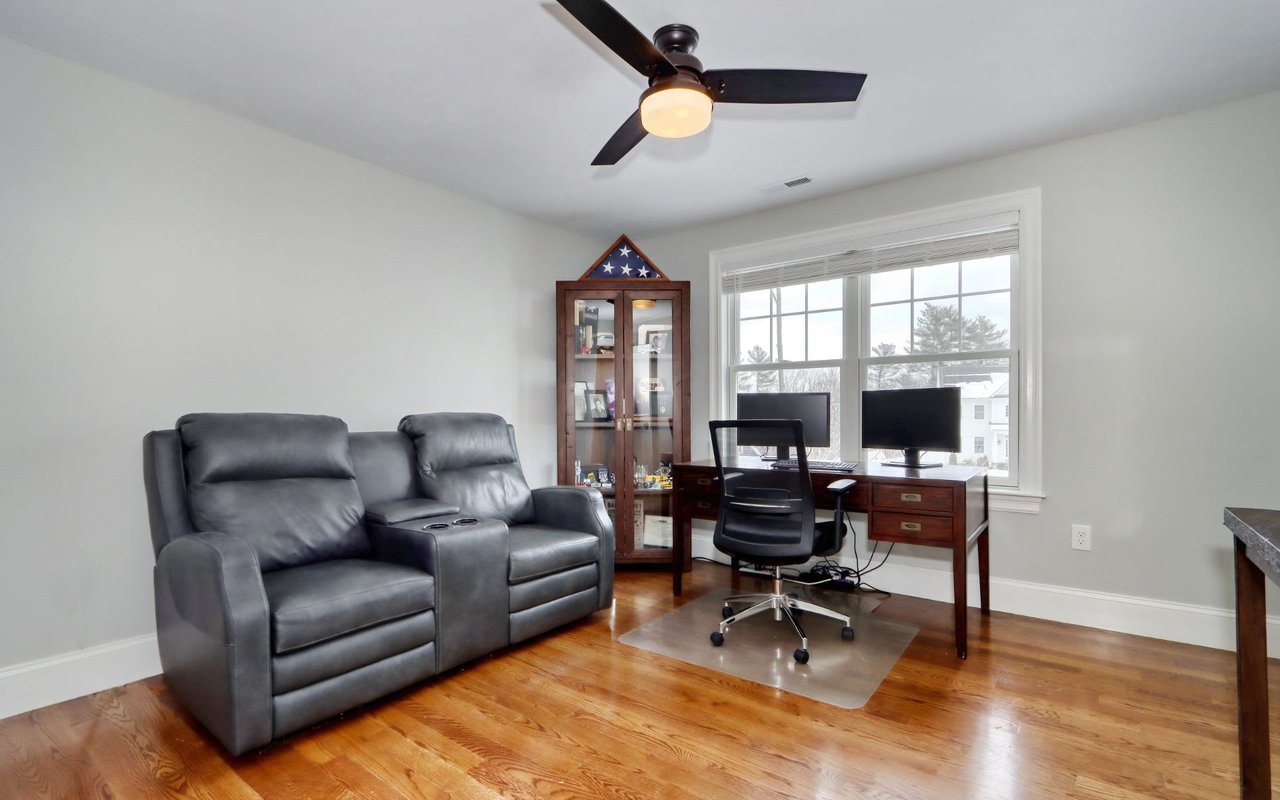
Guest bedrooms usually carry less visual weight. The NAR study found they were considered the least important room to stage. Bathrooms can also be staged selectively, especially if the home’s price point and finish level call for it.
Think Price Defense, Not Perfection
For many sellers, staging is less about dramatic transformation and more about protecting value. The research report notes a median staging cost of $600, and 20% of sellers’ agents said staging increased the dollar value offered by 1% to 5% compared with similar unstaged homes.
That does not mean every home needs a full redesign. It means thoughtful preparation can help support your asking price and reduce objections. In a premium market, small visual gaps can lead to bigger pricing questions.
Your Listing Has to Win Online First
Before buyers book a showing, they usually meet your home online. That first impression matters because it shapes whether they feel curious, excited, or ready to move on.
According to NAR’s 2025 survey cited in the research report, buyers who used the internet found photos most useful at 83%, followed by detailed property information at 79%, floor plans at 57%, and virtual tours at 41%. That tells you something important: strong visuals alone are not enough. Buyers also want clarity.
Build a Complete Media Package
For a high-end Westwood listing, a stronger digital package should include:
- Professional photography
- Detailed property information
- A floor plan
- A video walk-through or virtual tour
- Clear copy about commute and town amenities
This approach reflects how buyers evaluate homes today. They want to understand not only what the home looks like, but also how it lives.
A floor plan helps buyers picture flow. Video adds movement and scale. Well-written listing copy helps connect features to the lifestyle buyers may be seeking in Westwood, such as commuter convenience, recreation, and access to town amenities.
Treat the MLS Like the Master File
The MLS entry is more important than many sellers realize. Zillow’s help center, cited in the research report, notes that many listing photos and some home data updates flow from the MLS through listing feeds. In simple terms, what goes into the MLS often gets repeated across major real estate platforms.
That means accuracy matters. Room counts, feature descriptions, image quality, and listing remarks should be clean and complete from the start. If the source data is weak, that weakness can spread everywhere your listing appears.
Tell the Right Westwood Story
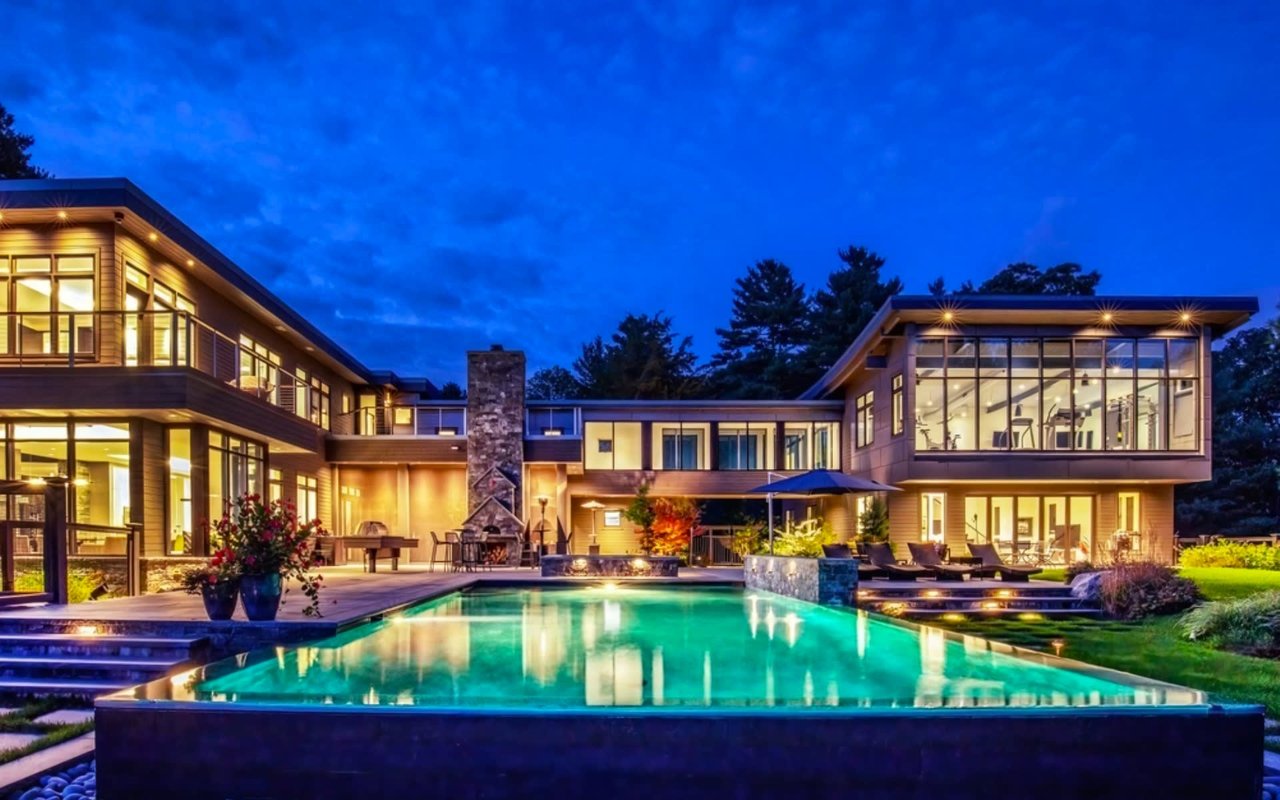
Luxury marketing is not only about interiors and finishes. It is also about context. In Westwood, that context includes Boston access, commuter rail service, recreation, and a well-established residential environment.
Your listing copy should bring those points forward in a factual, polished way. Buyers are often weighing multiple towns, not just multiple homes. A strong listing helps them understand why this location fits their goals.
This is especially important for out-of-town or relocating buyers. They may not know Westwood as well as local buyers do, so your marketing should make the town feel legible and appealing without overexplaining it.
Strong Offers Start With Smart Preparation
In a seller-leaning market, it is easy to focus only on offer price. But for a high-end home, the strongest result often comes from balancing price with certainty. You are not just choosing a number. You are choosing the path most likely to close on favorable terms.
That means thinking ahead about financing strength, appraisal risk, inspection issues, and timing before offers arrive. A well-prepared seller is usually in a better position to evaluate terms calmly and negotiate from strength.
Look Beyond the Top Number
When offers come in, consider the full picture, including:
- Financing strength
- Proposed closing timeline
- Inspection terms
- Appraisal exposure
- Any included personal property or fixtures
In premium sales, small contract details can become larger issues later. Clear review upfront can help you avoid delays and surprises.
Keep Massachusetts Rules in Mind
Massachusetts has specific rules that shape how a sale should be handled. According to Mass.gov guidance in the research report, ordinary residential sellers do not have a broad affirmative disclosure requirement, but real estate licensees must present properties honestly and accurately and disclose known material defects.
Lead-paint disclosure is still required for homes built before 1978. That is an important point in a town with a mix of older and newer housing stock.
The state also requires a separate written home-inspection disclosure before or at the first purchase contract. The buyer’s right to a home inspection cannot be unfairly waived, restricted, or undermined by the seller or seller’s agent.
For sellers, that means inspection language should be handled carefully and formally. If you are including appliances, fixtures, or even certain furnishings, those items should also be clearly written into the purchase and sale agreement.
What a High-End Listing Strategy Looks Like
A successful Westwood listing strategy is usually a sequence, not a single decision. It starts with preparation, continues with pricing and presentation, and gains reach through strong digital distribution.
At a high level, that process looks like this:
- Assess the home’s position within its specific Westwood micro-market.
- Prepare key rooms for photos and showings.
- Create a complete media package with strong visuals and clear property details.
- Launch with accurate MLS data and polished syndication-ready content.
- Evaluate offers with both price and certainty in mind.
- Handle disclosures and contract details carefully under Massachusetts rules.
When each step supports the next, you create better momentum. That is often what helps a premium home stand out, attract serious buyers, and sell with stronger terms.
If you are thinking about selling your Westwood home, the right strategy can make a meaningful difference in how quickly you sell and how well you protect your value. For thoughtful pricing, elevated presentation, and local guidance backed by broad marketing reach, connect with Elena Price.
FAQs
What makes a high-end listing strategy different in Westwood?
- Westwood is a high-value, relatively fast-moving market where pricing, presentation, commuter appeal, and accurate positioning within the right micro-market can have a major impact on your result.
Which rooms should sellers stage before listing a Westwood home?
- Based on the research report, the highest-priority rooms are the living room, kitchen, primary bedroom, and dining room because they tend to carry the most visual weight for buyers.
Why do professional photos and floor plans matter for selling a Westwood home?
- Buyers often see your home online first, and the research report shows that photos, detailed property information, and floor plans are among the most useful listing features when buyers evaluate a home.
How should sellers price a luxury home in Westwood, MA?
- Pricing should be tailored to your specific area of Westwood, your home’s condition, and the likely buyer pool rather than relying on broad town averages alone.
What Massachusetts disclosure rules matter when selling a Westwood home?
- Sellers and licensees must present the property honestly and accurately, disclose known material defects, provide required lead-paint disclosure for pre-1978 homes, and follow the state’s written home-inspection disclosure requirements.
What should be included in a Westwood luxury home offer review?
- Sellers should review not only price, but also financing strength, appraisal risk, inspection terms, closing timeline, and any included fixtures, appliances, or furnishings that need to be written into the agreement.