The History of Dedham, MA: From Colonial Founding to Modern Town
Dedham, MA: Historical Timeline
Year / Era | Key Event or Milestone |
|---|---|
1636 | Dedham founded by English settlers from the Massachusetts Bay Colony, one of the earliest towns in America |
1636 | The Dedham Covenant signed, an early model of democratic self-governance and community values |
1637 | The Fairbanks House built, still standing today as North America's oldest surviving timber-frame structure |
1639 | Mother Brook constructed, the first man-made canal in the United States, built to power local mills |
1775 | Dedham Minutemen respond to the call at Lexington and Concord, the town plays an active role in the American Revolution |
1887 | Dedham Country and Polo Club established, still operating today after more than 135 years |
1896 | Dedham Pottery founded, nationally acclaimed for its distinctive crackle glaze and hand-painted rabbit motif |
1904 | Endicott Estate built, one of Dedham's finest architectural landmarks, still open to the public today |
1943 | Dedham Pottery closes, its pieces remain highly collectible and are held in museum collections nationwide |
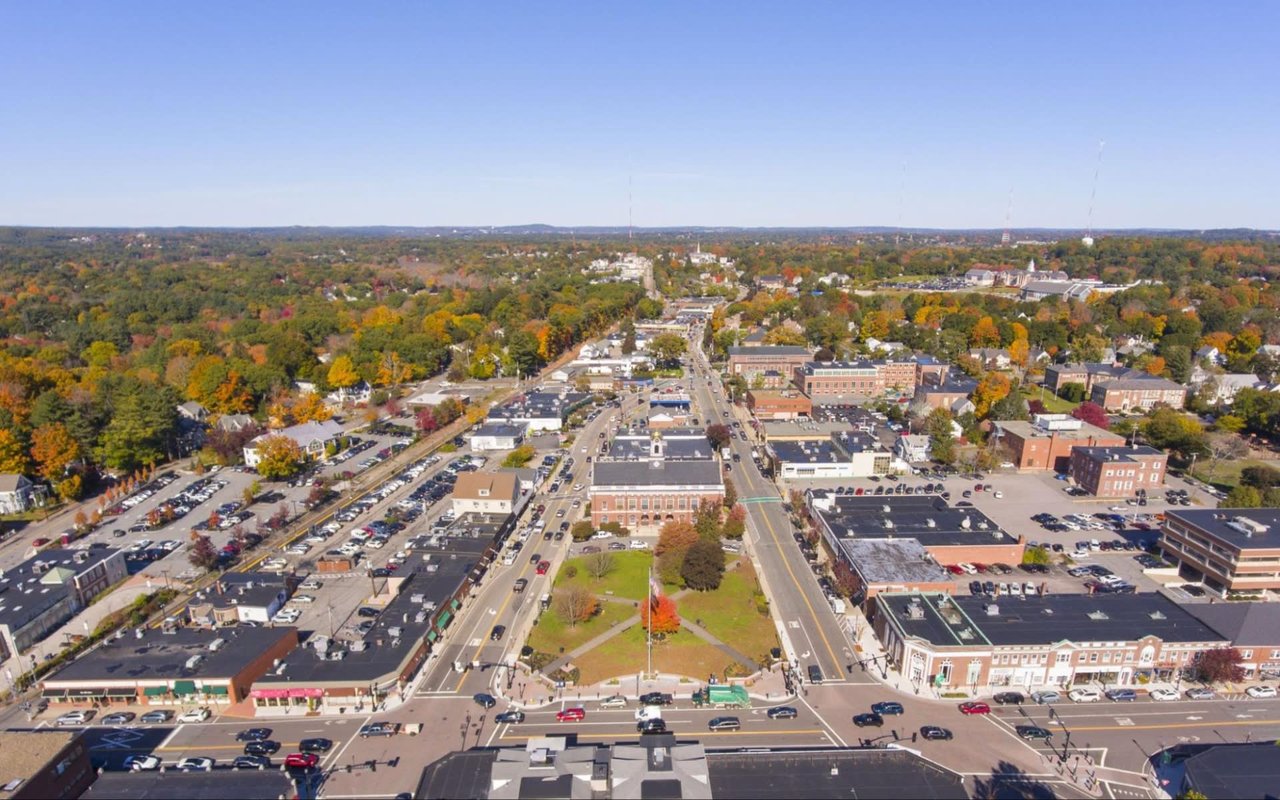
Today | Dedham thrives as a vibrant Norfolk County suburb, blending colonial heritage with modern amenities and a walkable town center |
Source: National Register of Historic Places Reference Registry; Town of Dedham Historic Records, 2026.
A Colonial Legacy: The Founding of Dedham
Dedham was founded in 1636 by English settlers seeking a new life in the Massachusetts Bay Colony. What made Dedham's founding remarkable, even by the standards of early New England, was the Dedham Covenant, a document signed by the town's original settlers that outlined a model of shared governance, mutual responsibility, and community values. Historians consider the Dedham Covenant one of the earliest examples of democratic self-governance in American history, predating many of the founding principles later codified in the U.S. Constitution.
The town's early settlers were practical as well as principled. In 1639, they constructed Mother Brook, the first man-made canal in the United States, to divert water from the Charles River to the Neponset River, powering the mills that sustained the early economy. Mother Brook still exists today and is recognized as a landmark of early American engineering.
The Fairbanks House: North America's Oldest Timber-Frame Structure
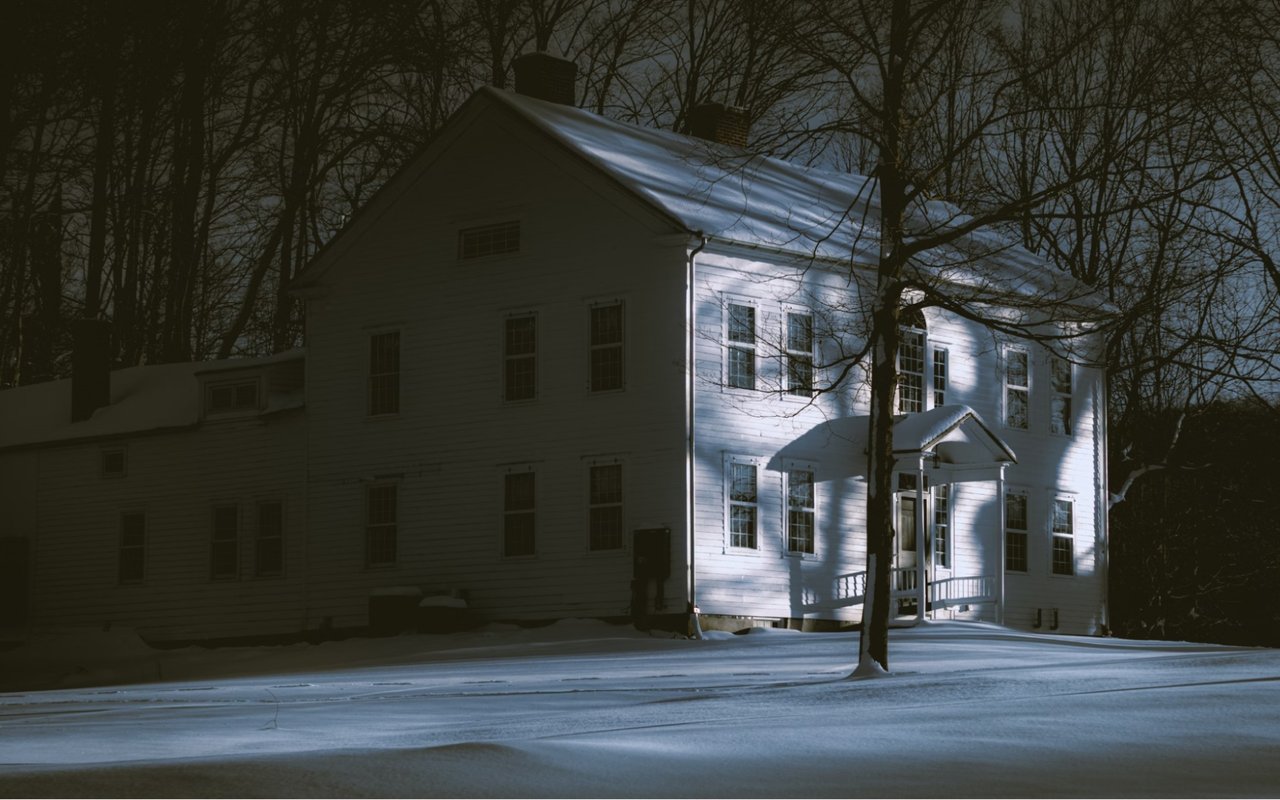
Built around 1637 by Jonathan Fairbanks, the Fairbanks House is the oldest surviving timber-frame house in North America, a distinction that makes it one of the most significant historic structures on the continent. The house remained in the Fairbanks family for eight generations before being opened to the public, and its remarkable preservation offers an unparalleled window into the daily life of early colonial Massachusetts.
Guided tours of the Fairbanks House walk visitors through the home's construction, the family's history, and the broader context of colonial life in 17th-century New England. For anyone living in or moving to Dedham, a visit to the Fairbanks House is one of the most grounding experiences the town offers: a tangible connection to nearly 400 years of American history. See also: the full guide to things to do in Dedham, MA.
Dedham's Role in the American Revolution
When the shot heard round the world was fired at Lexington and Concord in April 1775, Dedham's Minutemen were among those who answered the call. The town's strategic location and its citizens' commitment to independence made Dedham an active participant in the Revolutionary War effort. The Old Powder House, though no longer standing, served as a key munitions storage point and stands as a symbol of the town's military contribution to American independence.
Dedham's Revolutionary-era character was consistent with the values established by the Dedham Covenant more than a century earlier, a community that took collective responsibility and civic participation seriously. That spirit of engaged local governance has remained a defining characteristic of the town through every era since.
Is Dedham's History Part of What's Drawing You Here?
Many buyers who research Dedham's heritage end up choosing it for exactly that reason: the community has a depth and character that newer developments simply can't replicate. Homes near Dedham Square, the Charles River Greenway, and the historic district move quickly. If you're at the point of seriously evaluating a move, our real estate team is ready to guide your search.
Dedham Pottery: An American Craft Legacy
Founded in 1896, Dedham Pottery became one of the most celebrated American craft producers of its era. The pottery was known for its distinctive crackle glaze finish and its hand-painted designs, most famously the rabbit motif that became synonymous with the brand. Dedham Pottery pieces gained national and international acclaim, and the factory at its peak employed dozens of skilled artisans whose work is now held in museum collections across the country.
The pottery closed in 1943, but its legacy has only grown since. Original Dedham Pottery pieces are highly collectible, routinely appearing at major auction houses and antique markets. For residents and collectors, the pottery represents a distinctly Dedham contribution to American decorative arts: one that placed this Norfolk County town on the national cultural map well before its modern reputation as a desirable Boston suburb took hold.
Exploring Dedham's Historic Landmarks Today
Beyond the Fairbanks House and Mother Brook, Dedham's historic landscape includes several landmarks worth knowing:
Dedham Historical Society and Museum: The town's primary repository of local history, featuring artifacts, exhibits, genealogical records, and rotating collections that document Dedham's development from 1636 to the present. It's an essential resource for anyone researching family history in Norfolk County or seeking a deeper understanding of the town's past.
The Endicott Estate: Built in 1904, this grand Colonial Revival mansion sits on beautifully maintained grounds and offers public tours. The estate is a testament to the prosperity Dedham enjoyed in the early 20th century and is one of the most architecturally significant properties in the region.
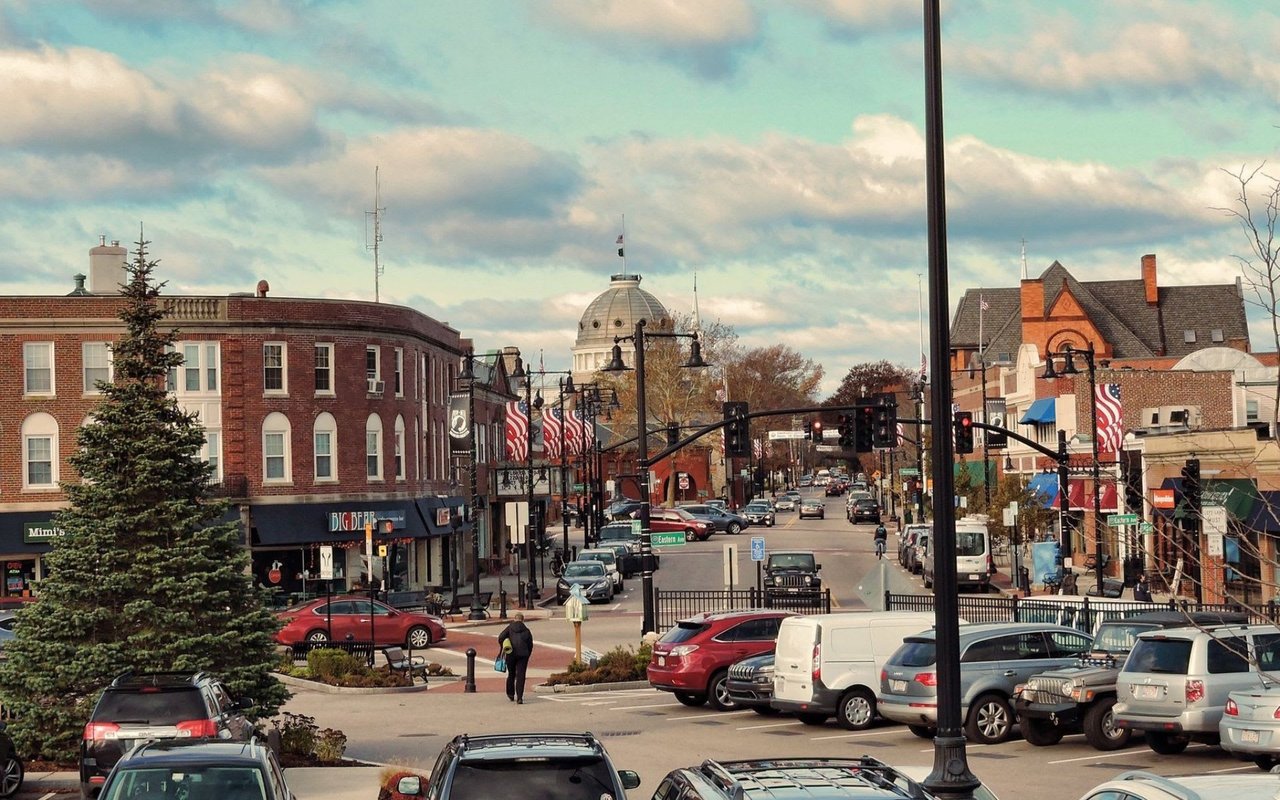
Dedham Square: The historic town center has been continuously active since the colonial era. Today it hosts the Dedham Community Theatre, local shops, and restaurants: a living piece of the town's history that remains the social heart of the community.
Modern Dedham: History and Community in Balance
Today, Dedham is a thriving Norfolk County suburb with a rare quality that most Boston-area towns can't claim: an authentic historical identity that predates the country itself. The revitalized Dedham Square serves as both a practical town center and a living monument to nearly four centuries of community life. Legacy Place brings modern retail and dining to a town that has never had to sacrifice its character for amenities.
For buyers considering a move to the Greater Boston area, Dedham's history is not just a point of curiosity: it's a signal about the kind of community the town is. Places with deep roots tend to have strong civic infrastructure, stable neighborhoods, and long-term resident commitment. Dedham has all three. Read our full guide to living in Dedham, MA for a complete picture of what day-to-day life looks like here.
Frequently Asked Questions About the History of Dedham, MA
When was Dedham, MA founded?
What is the Dedham Covenant?
What is the Fairbanks House in Dedham, MA?
What is Mother Brook in Dedham, MA?
What was Dedham Pottery?
Is Dedham, MA a good place to live?
Ready to Become Part of Dedham's Story?
Dedham has been home to families who value community, history, and quality of life since 1636. If you're considering making it your next chapter, Elena Price knows this market deeply: from the historic district near Dedham Square to the neighborhoods along the Charles River Greenway. Reach out to start the conversation.
1. Architectural History: National Register of Historic Places Reference Registry, 2026. Preserved timber-frame structural data and Mother Brook canal parameters tracked.
2. Local Settlement Records: Town of Dedham Historic Society Survey, 2025. Colonial founding frameworks and Dedham Covenant signee profiles audited.
3. Massachusetts Regional Data: Massachusetts State Historical Archives, 2025. Revolutionary military minutemen calls and local pottery manufacturing markers parsed.