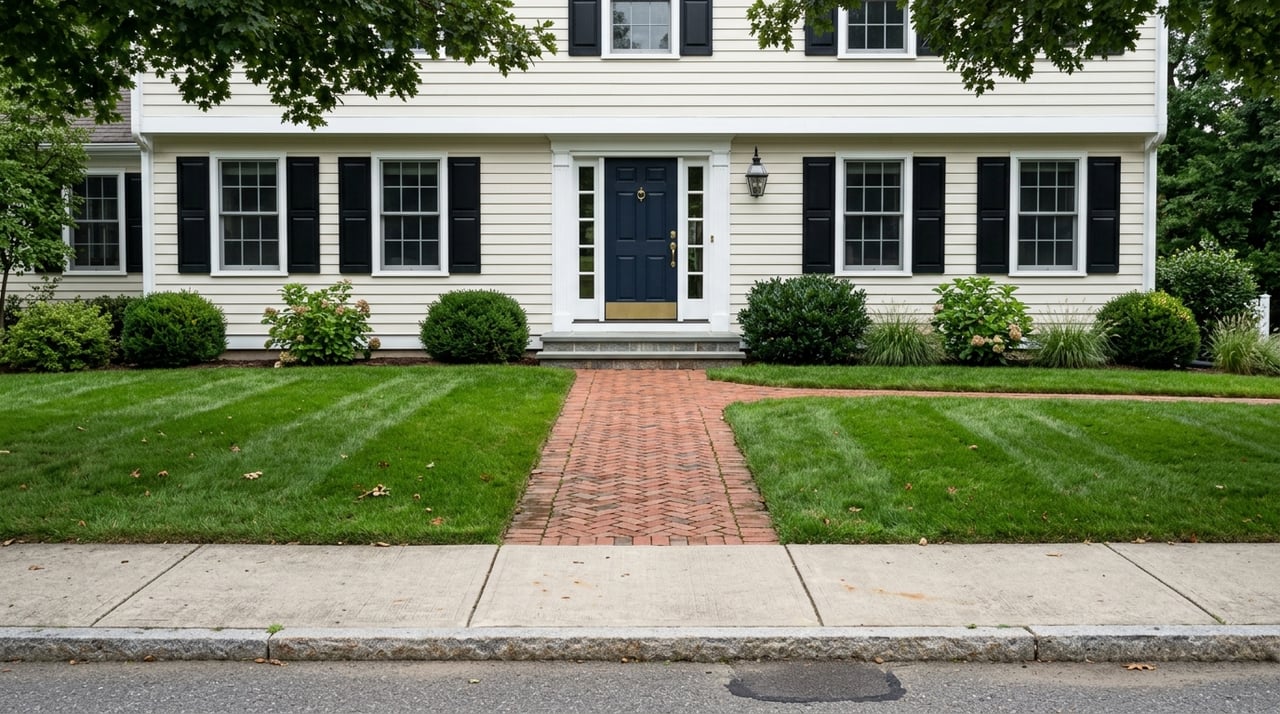
A home inspector working an older house on one of Dedham's tree-lined side streets will often start in the basement, not the attic. They're looking for a specific set of clues: a capped pipe near the foundation, two small stubs emerging from the ground outside, a section of patched concrete on a basement wall, an old oil burner switch with nothing connected to it anymore. None of these things are visible from the street. None of them show up on a listing sheet. But if the inspector finds them, the buyer's lender usually wants an answer before the loan moves forward, and the seller who assumed the house was ready to list finds themselves waiting on a tank sweep or a fire department records check instead of scheduling photography.
This isn't a quirk that hits Dedham sellers at random. It's tied directly to when the house was built, and that same construction era is the reason certain Dedham streets carry a second layer of review that has nothing to do with plumbing or soil.
The Age That Explains Both Things
Roughly a third of Dedham's housing stock predates 1939, and another substantial share was built between the 1940s and the 1960s, according to NeighborhoodScout's analysis of Census and mortgage-transaction data. That window overlaps almost exactly with the decades when underground heating oil tanks were the standard way New England homes stayed warm, a practice that ran from the 1930s into the 1980s before natural gas lines and aboveground tanks became the norm.
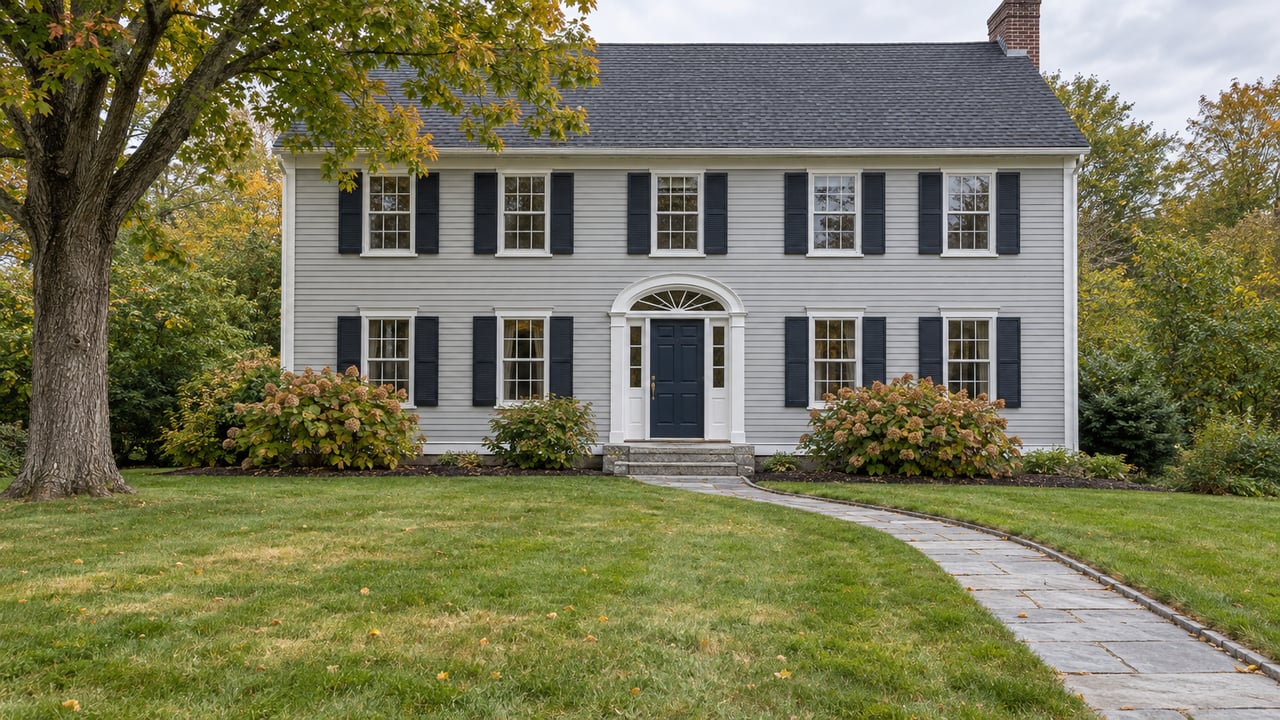
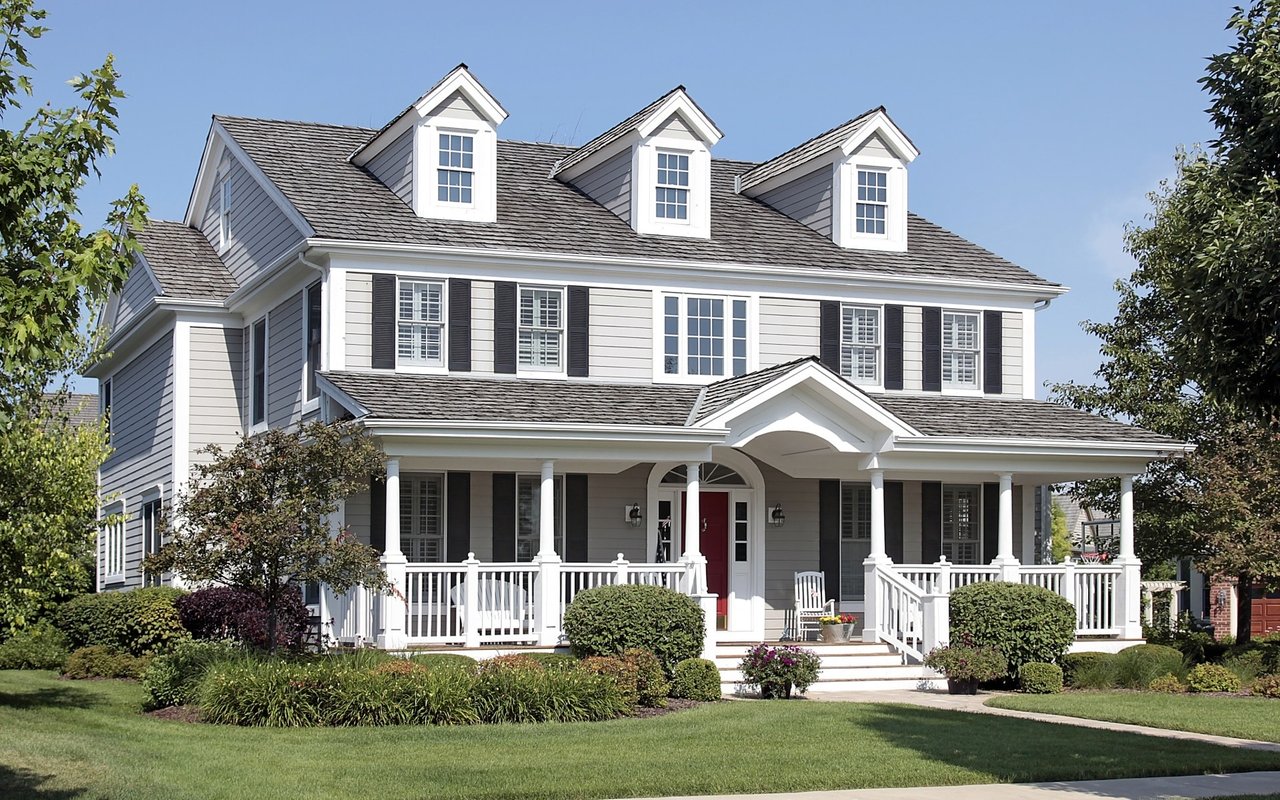
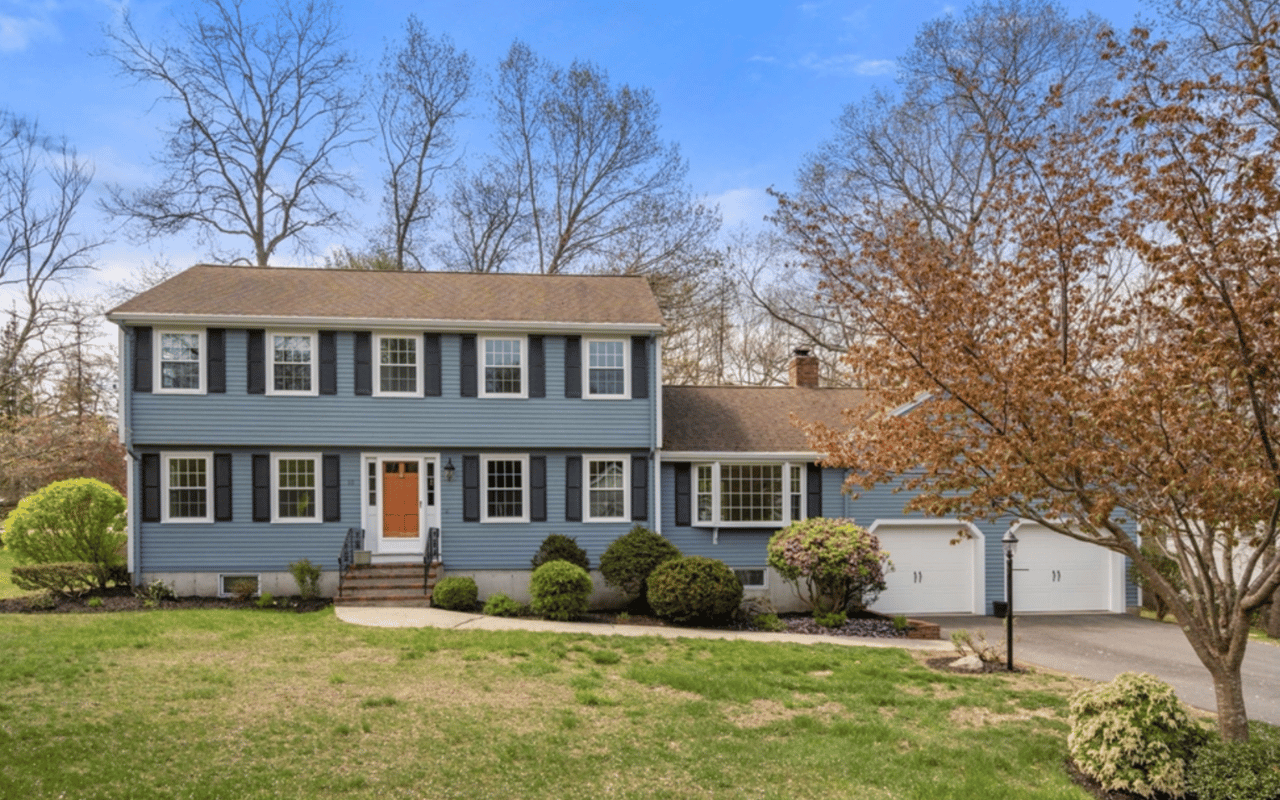
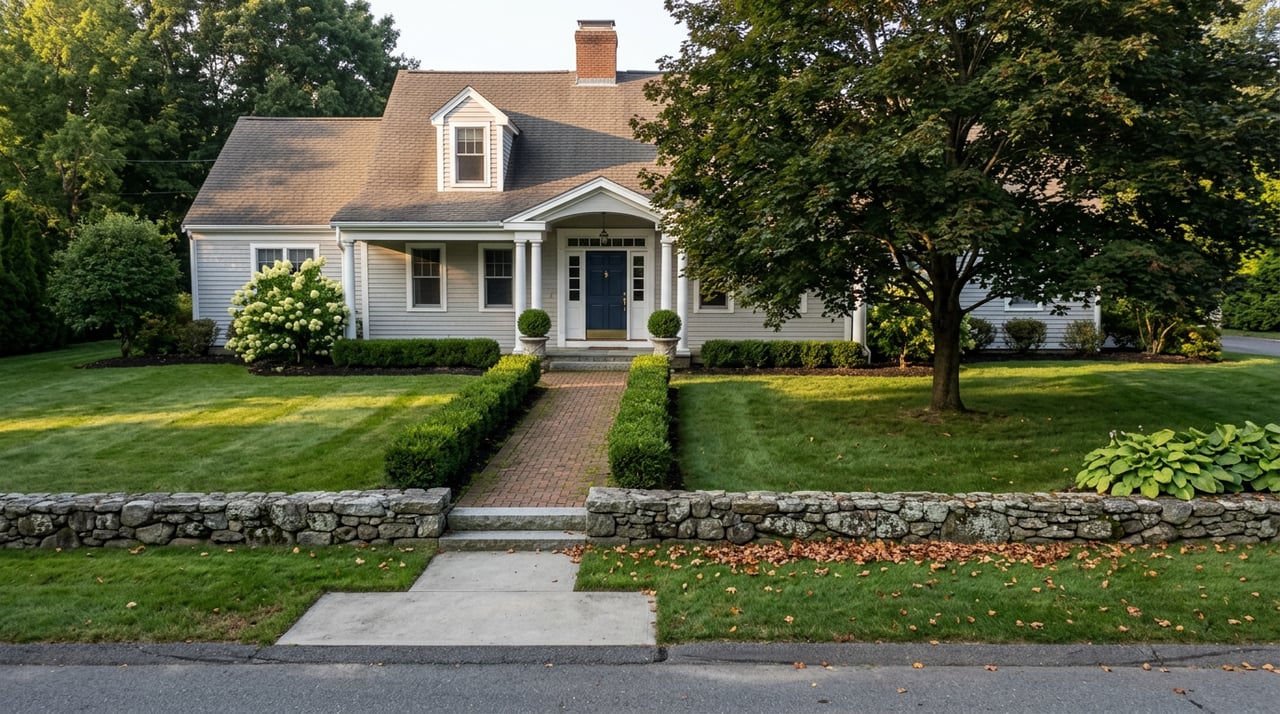
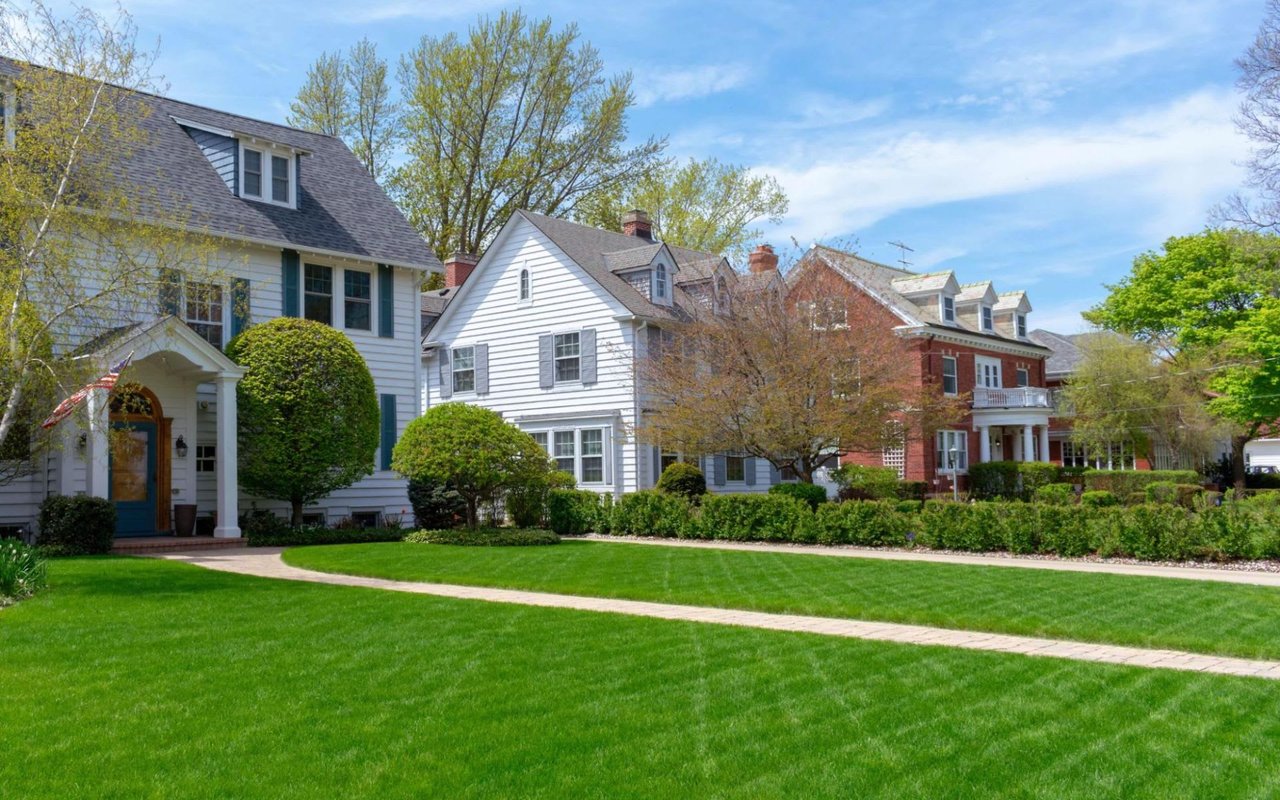
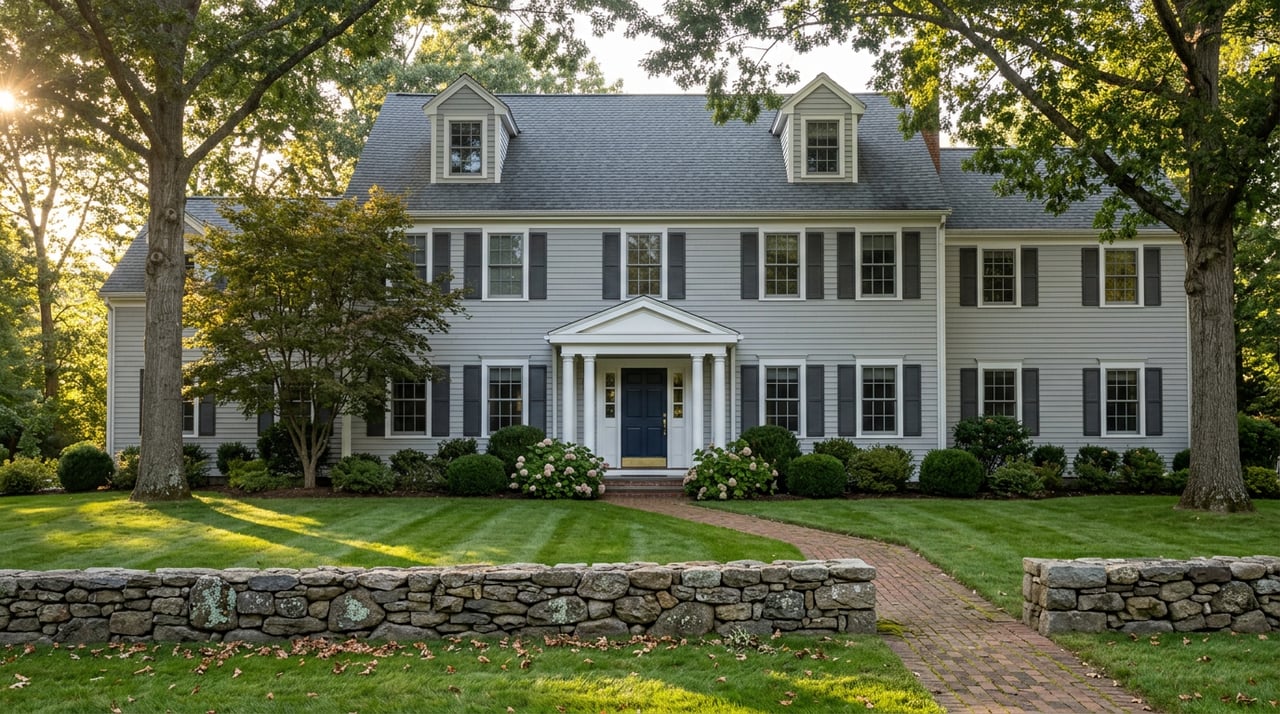
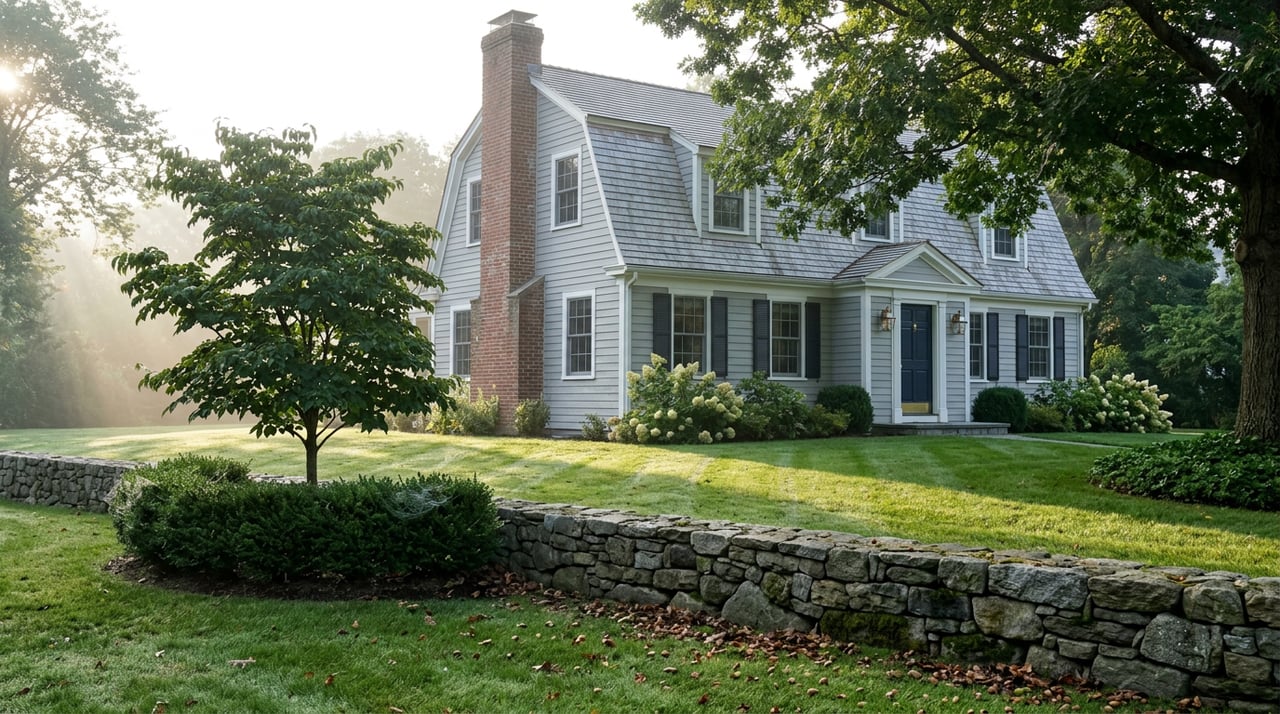
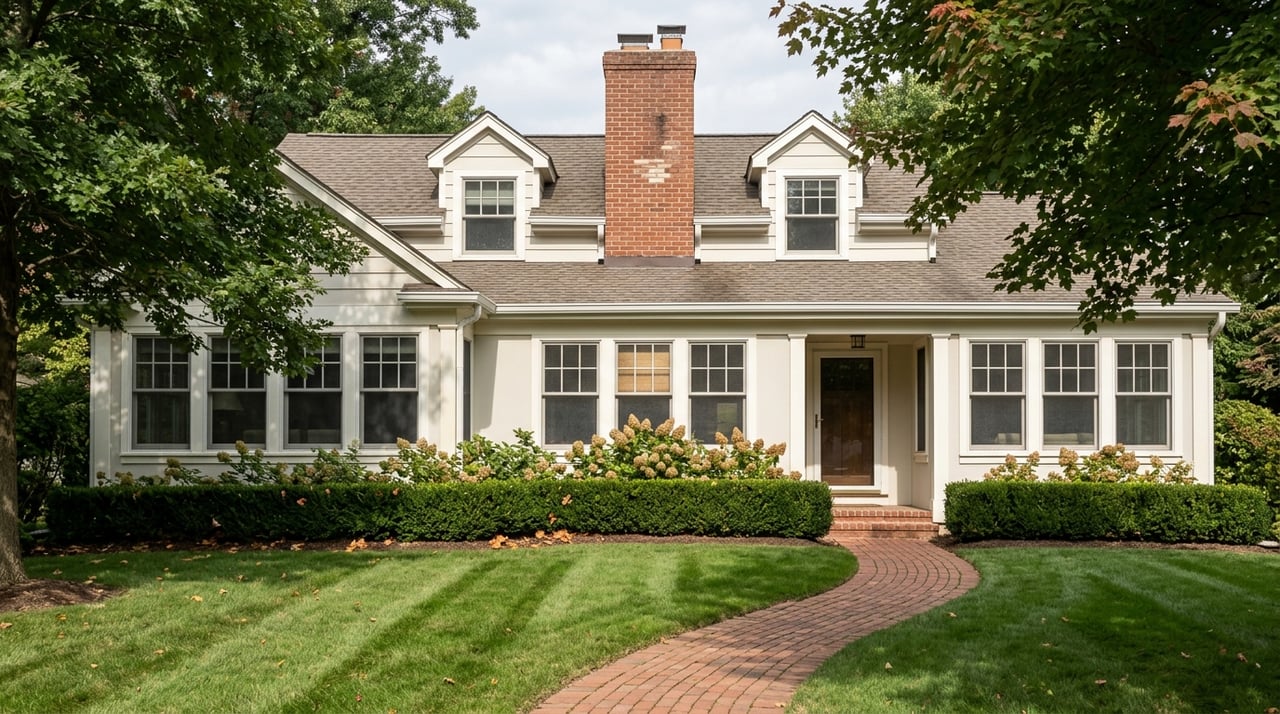
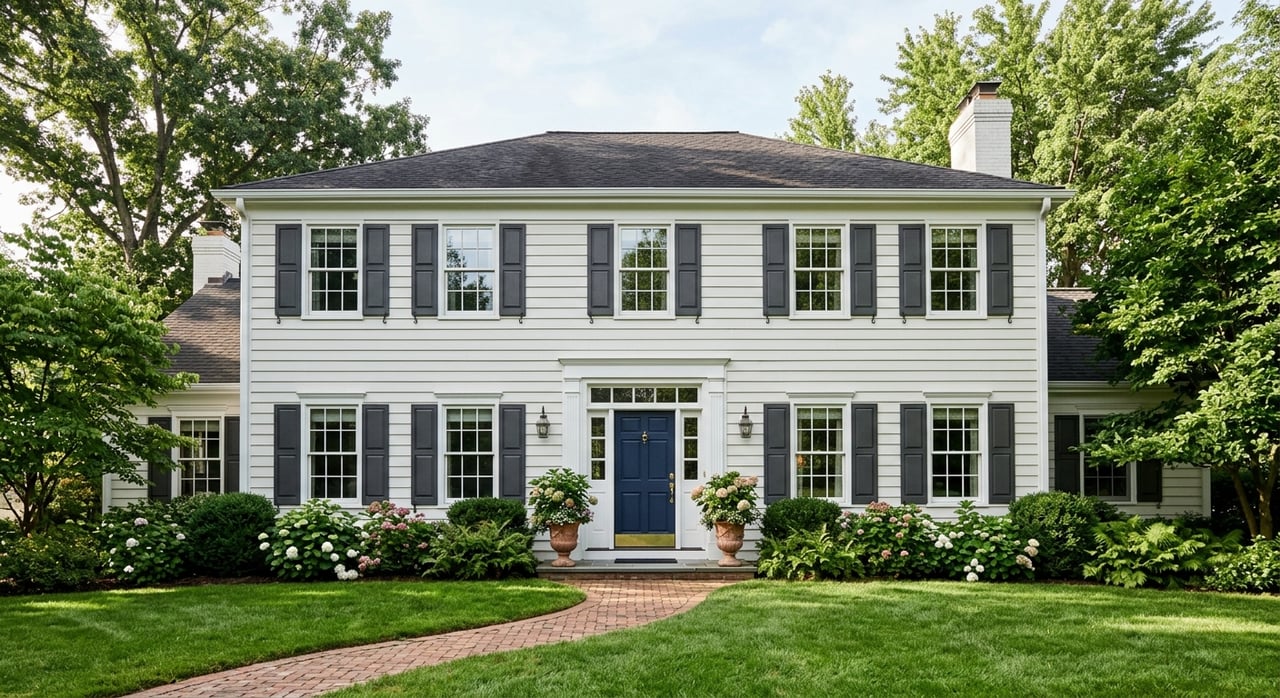
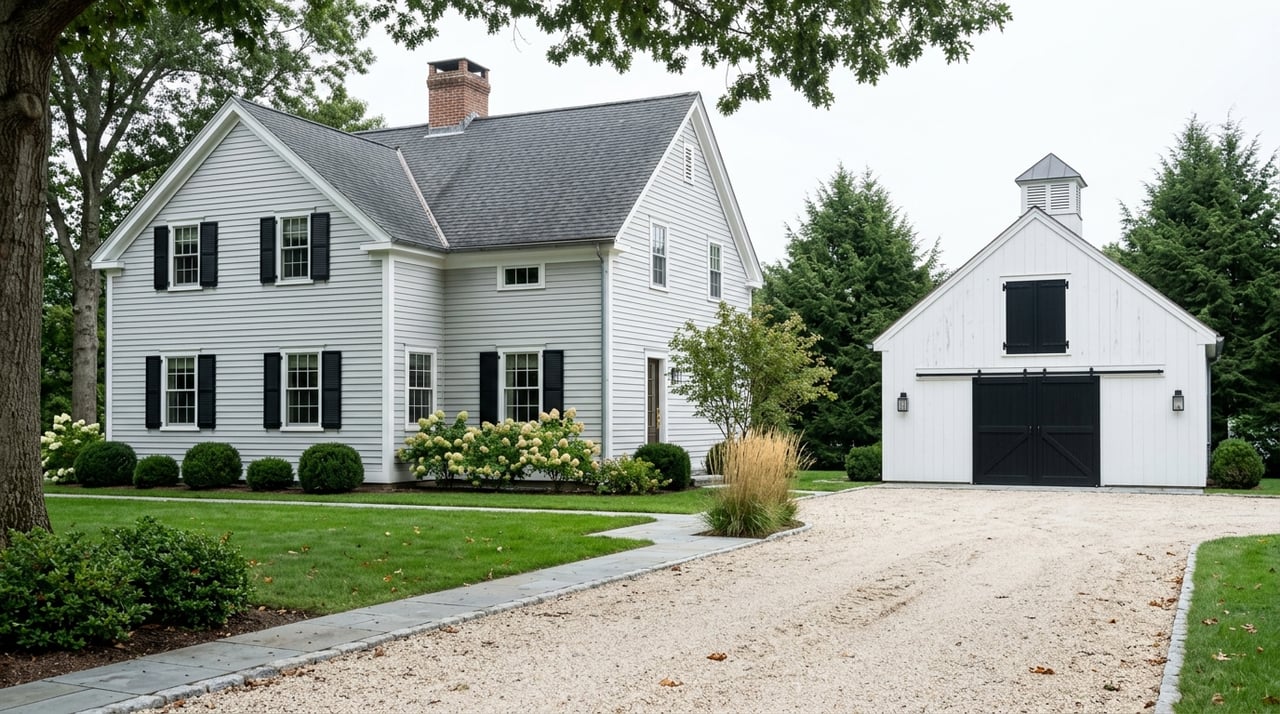
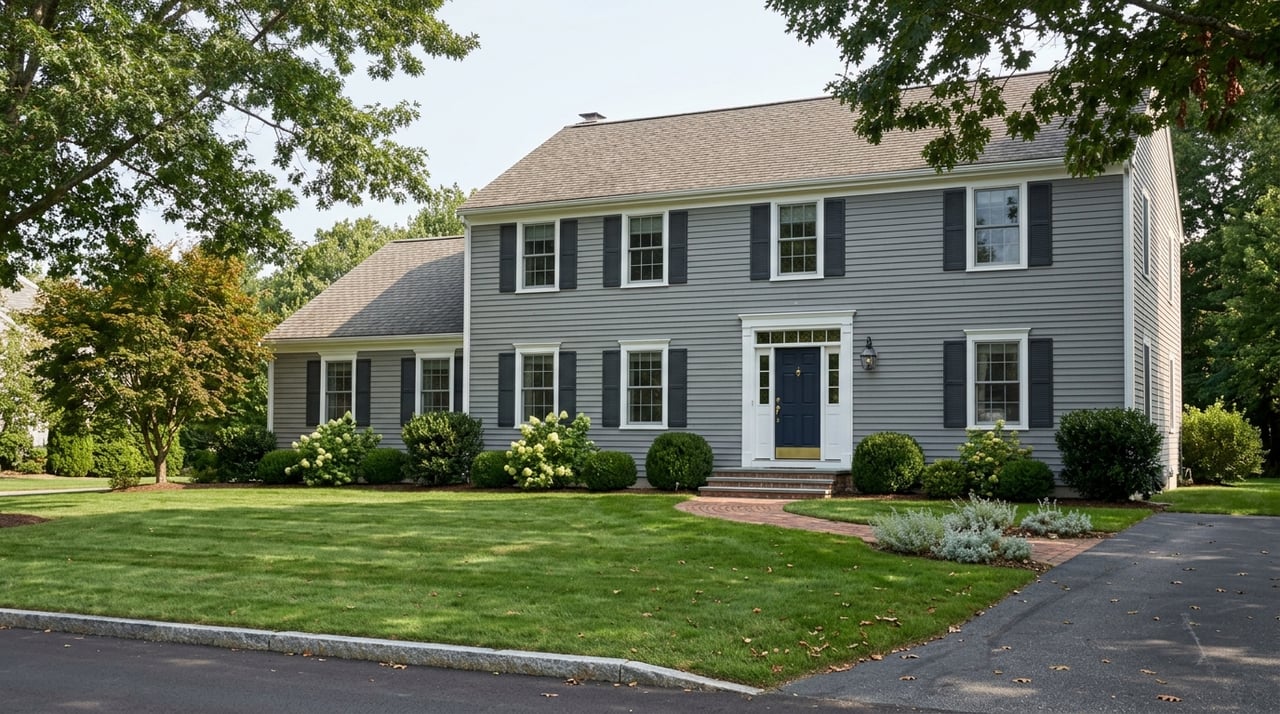
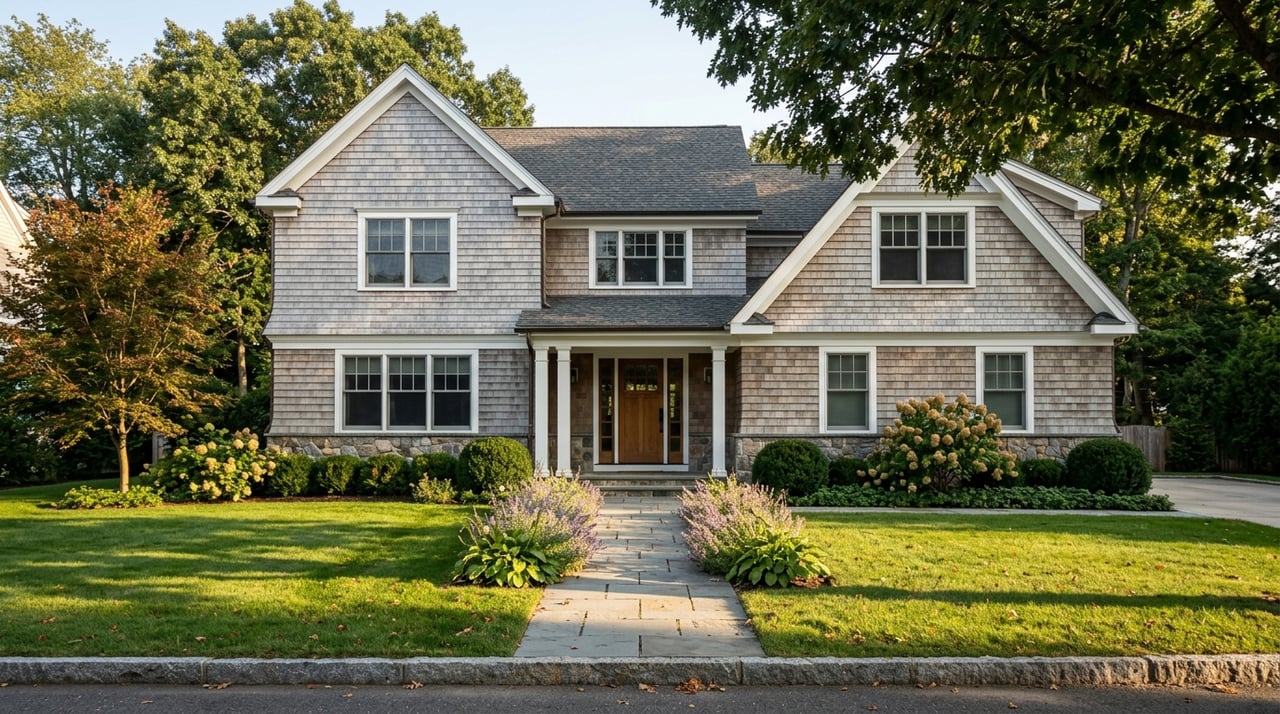
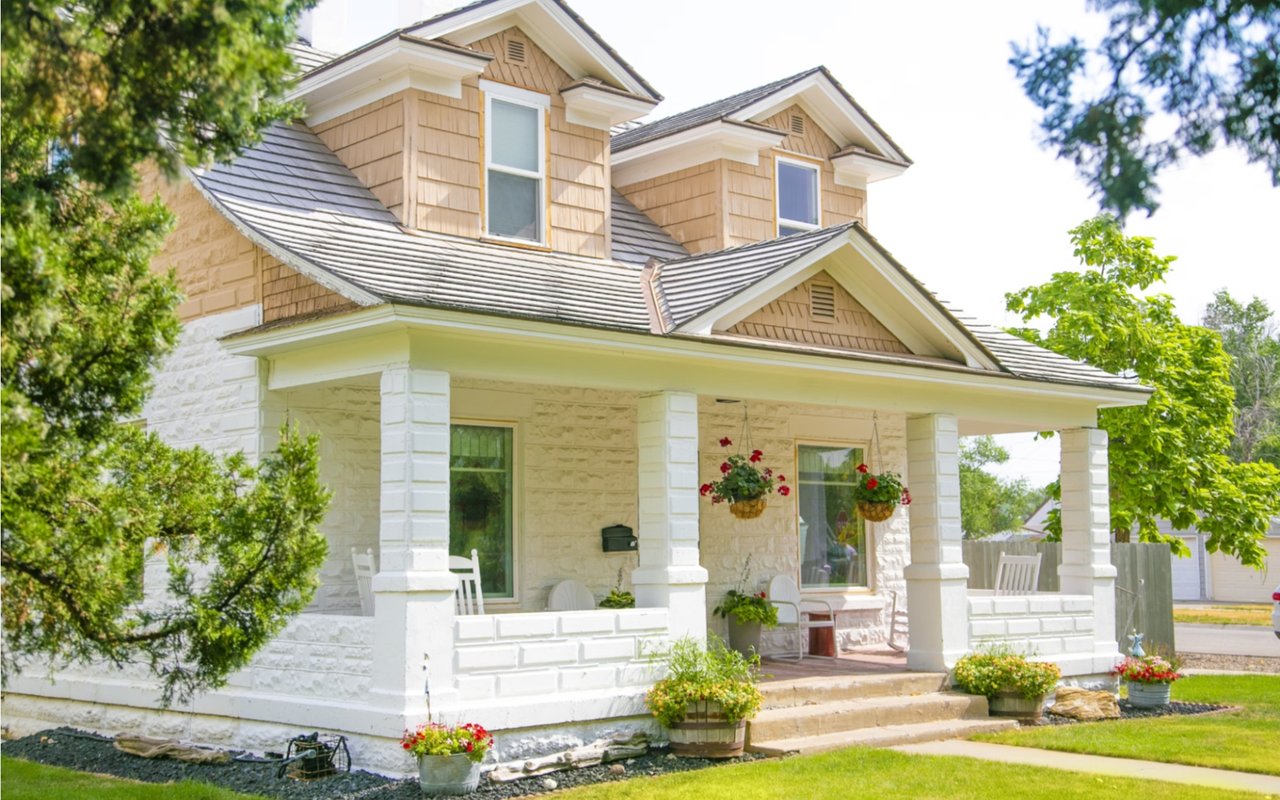
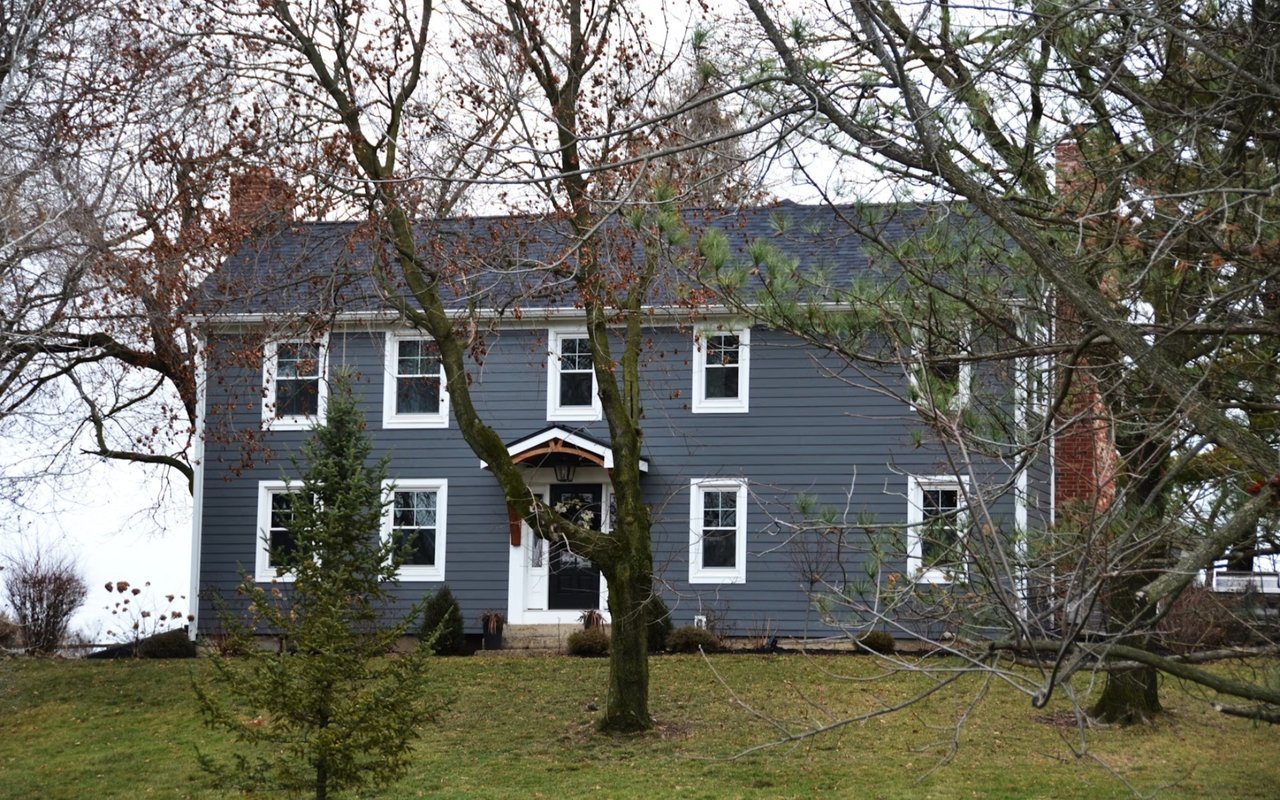
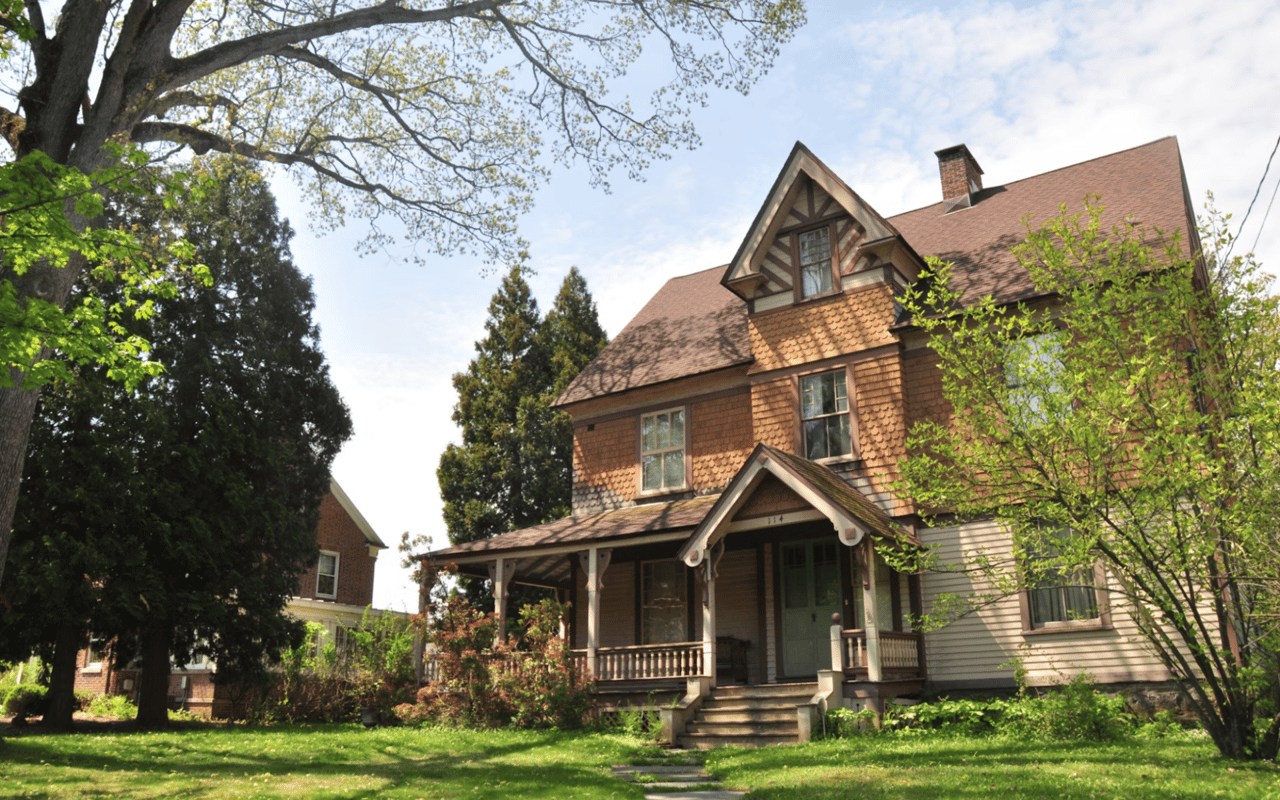
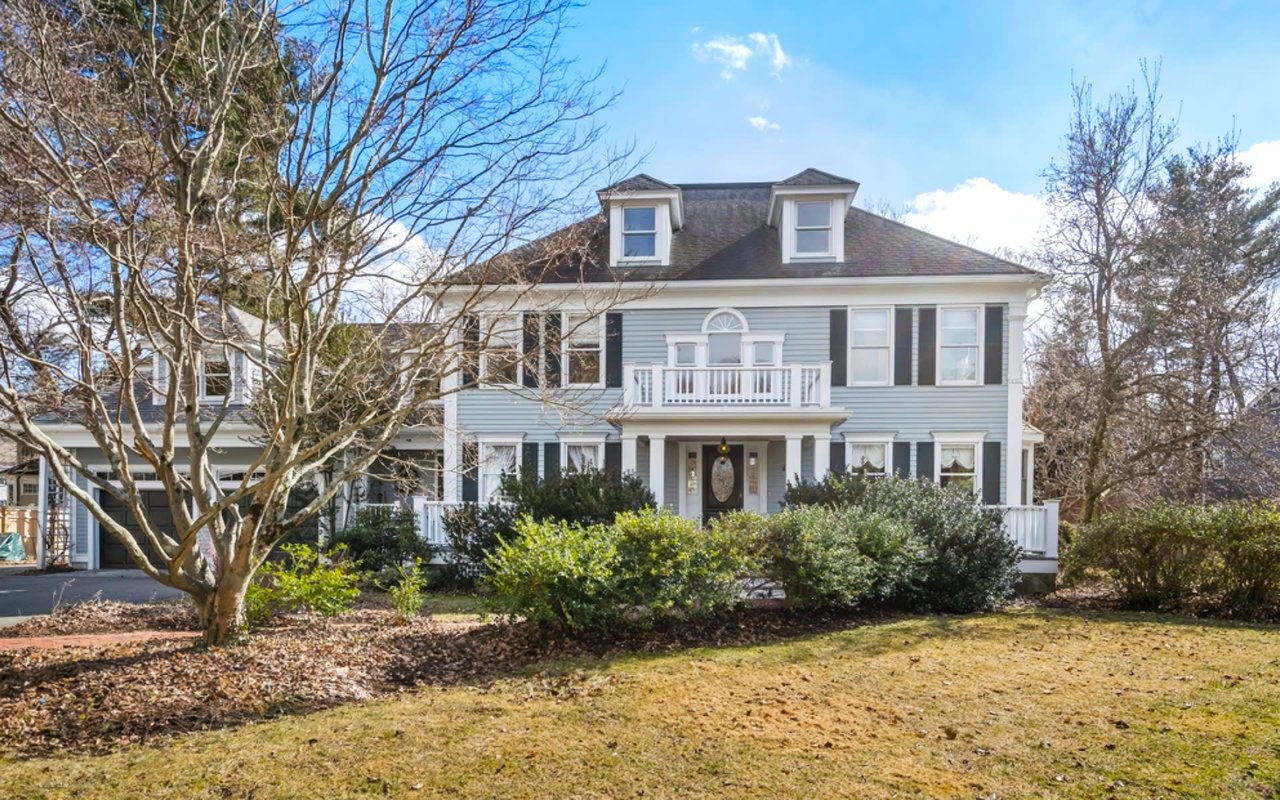
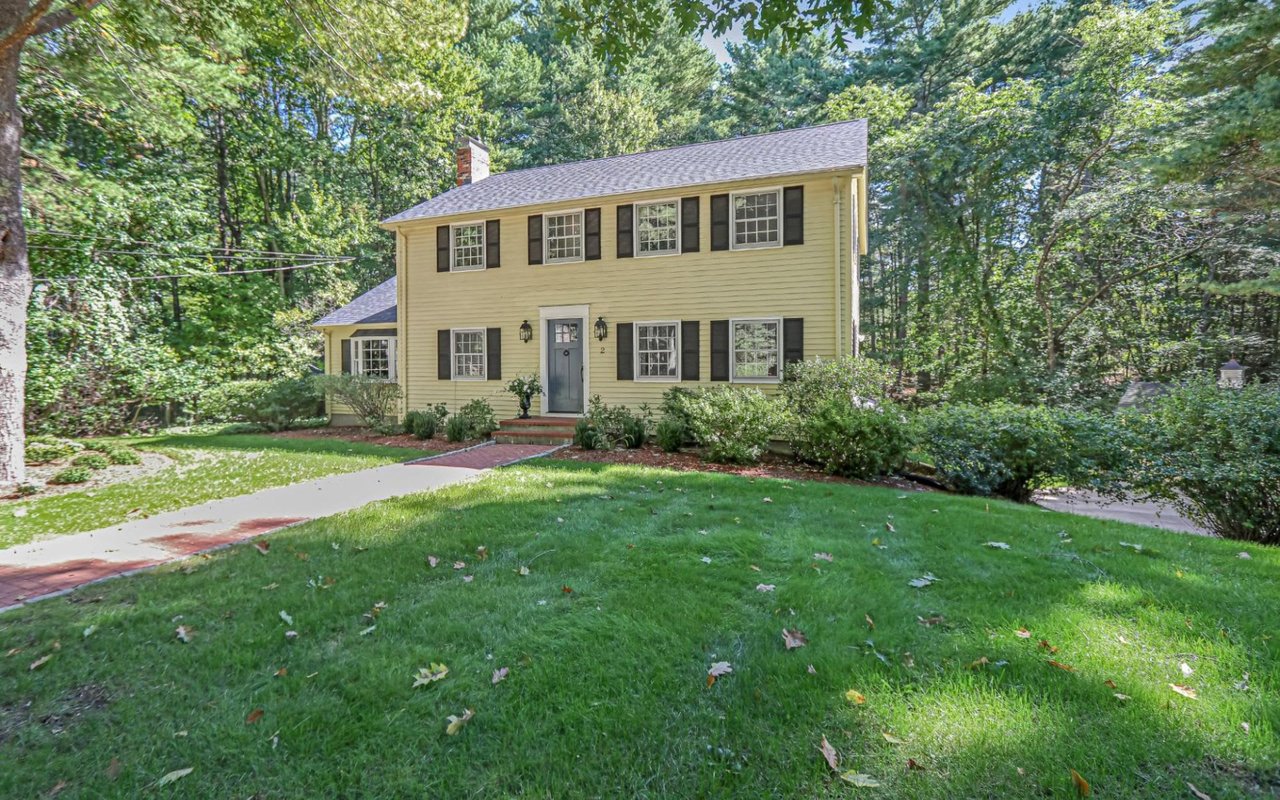
Put those two facts together and the overlap isn't a coincidence. The same pre-1970s construction that gives Dedham's oldest neighborhoods their architectural character, the deep-set colonials on Court Street, the capes tucked along Church Street and School Street, is the construction era most likely to have relied on a buried tank at some point in its history. A house doesn't need to still burn oil for this to matter. Plenty of homes switched to gas or electric decades ago and simply left the old tank in the ground, sometimes filled with sand or stone by an owner who knew what they were doing, sometimes just abandoned.
Why the Tank Question Rarely Shows Up Until Someone Looks
Massachusetts treats this as an environmental liability question, not just a maintenance one. Under General Laws Chapter 21E, responsibility for a contamination discovery is tied to whoever owned the property when the release actually happened, which can be established through soil dating rather than simply defaulting to whoever holds the deed at closing. That protects a current seller from inheriting a decades-old leak that predates their ownership, but only if there are records to establish the timeline.
Those records usually start in one place: the local fire department. According to CommTank, Massachusetts fire departments maintain fuel storage permits that log tank installations and removals, so a quick check with Dedham's Fire Department is typically the fastest way to confirm whether a prior removal was inspected and closed out properly. If no permit exists, the safe assumption is that the removal, if it happened at all, was never verified.
A standard home inspection isn't built to answer this question definitively. Most inspection standards treat underground tanks as a concealed condition outside the scope of a visual walkthrough, which is exactly why inspectors who spot the visible clues tend to flag them rather than resolve them. The clues themselves are consistent enough that they're worth knowing before a buyer's inspector finds them first:
- A capped fill pipe or vent pipe near the foundation
- Two small pipes emerging from the ground outside, close together
- Abandoned copper fuel lines in the basement with no furnace attached
- An old oil burner shutoff switch with nothing wired to it
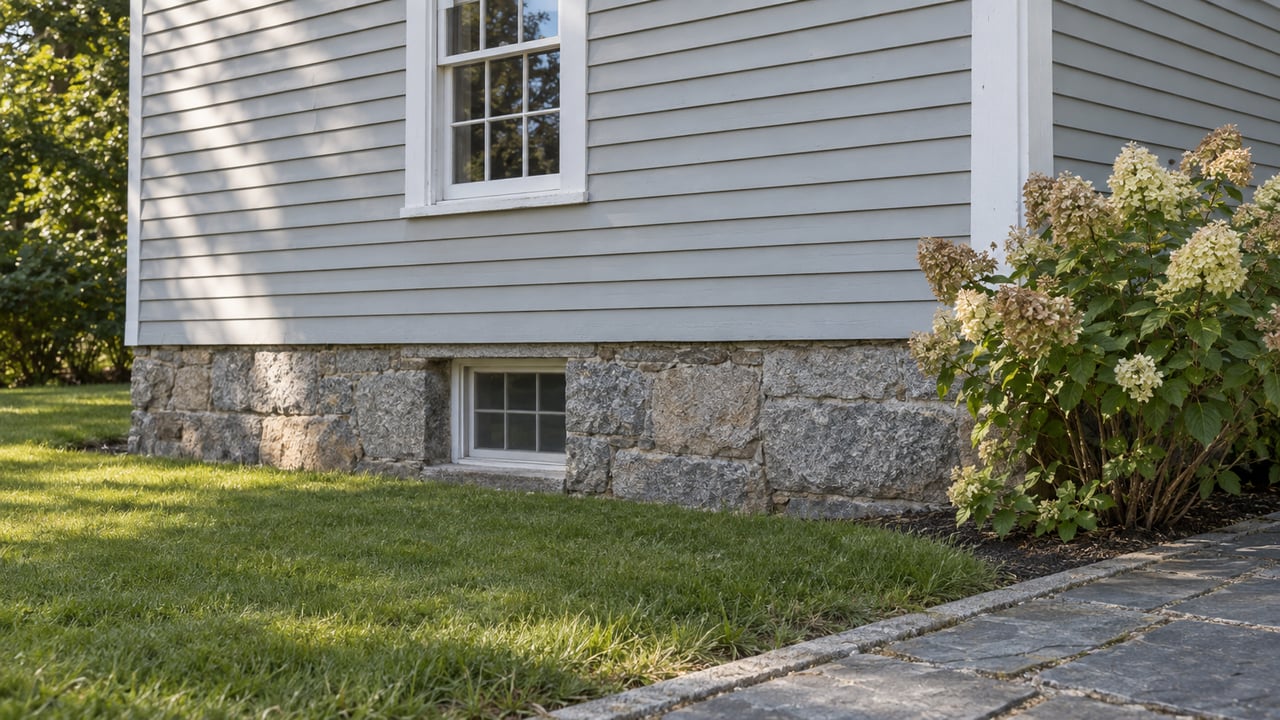
- Patched concrete or small repaired openings in a foundation wall
- A shallow circular depression in the yard where the ground has settled over a buried tank
None of these guarantee a tank is present. All of them are reasons a seller in an older Dedham home benefits from ordering a tank sweep before a buyer's inspector does, rather than after.
Historic-District Review in Dedham
For a specific slice of that same pre-1970s housing stock, there's a second process running in parallel, and it has nothing to do with soil. Dedham has two local historic districts, established under the state's Historic District Act and administered by the town's Historic Districts Commission: the Franklin Square-Court Street District (also called the Dedham Village Historic District) and the Connecticut Corner Historic District. An overlapping Dedham Village National Register Historic District, listed in 2006, runs along High Street between Bridge and Ames Streets and extends south along Bridge Street to Haven Street, and along Ames and Court Streets and the smaller streets nearby.
| District | Core streets | What triggers Commission review |
|---|---|---|
| Franklin Square-Court Street (Dedham Village Historic District) | Court Street, Church Street, School Street, Old River Place | Any exterior change visible from a public way |
| Connecticut Corner Historic District | Local streets near Connecticut Corner | Any exterior change visible from a public way |
| Dedham Village National Register Historic District | High Street, Bridge Street, Ames Street, Court Street | Overlaps the local districts above; properties inside it are largely the same ones covered by the local commission |
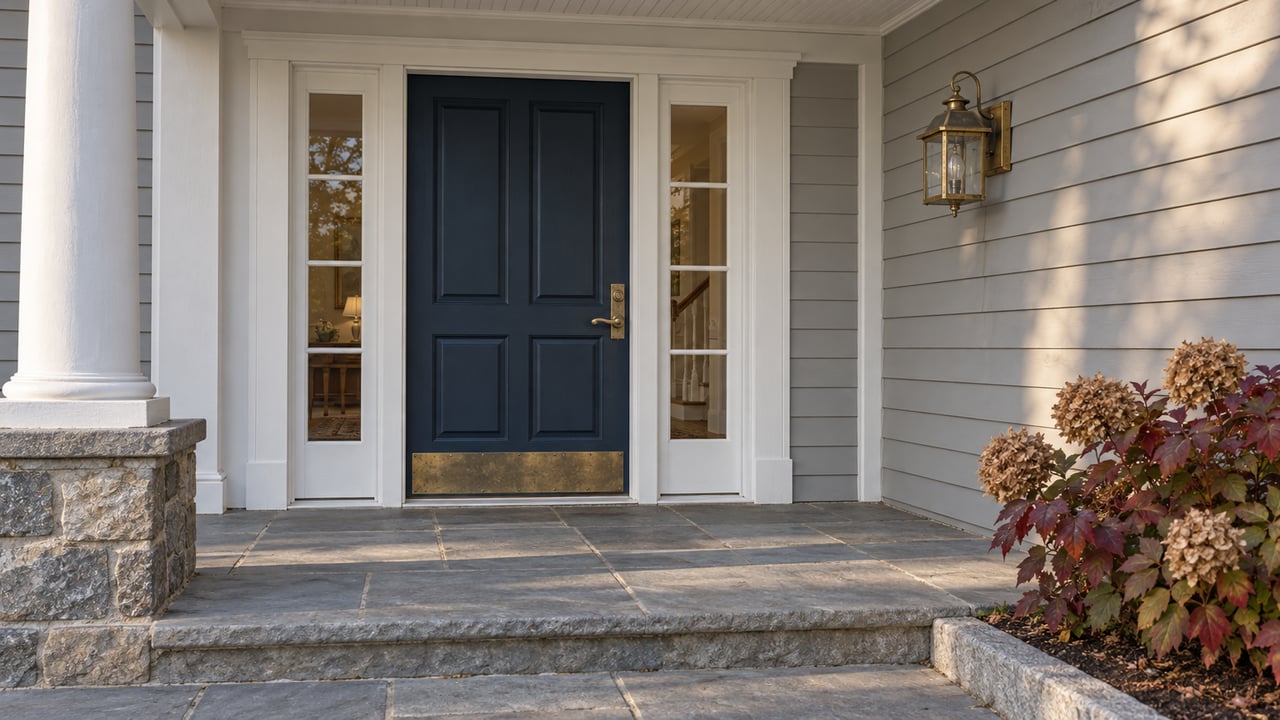
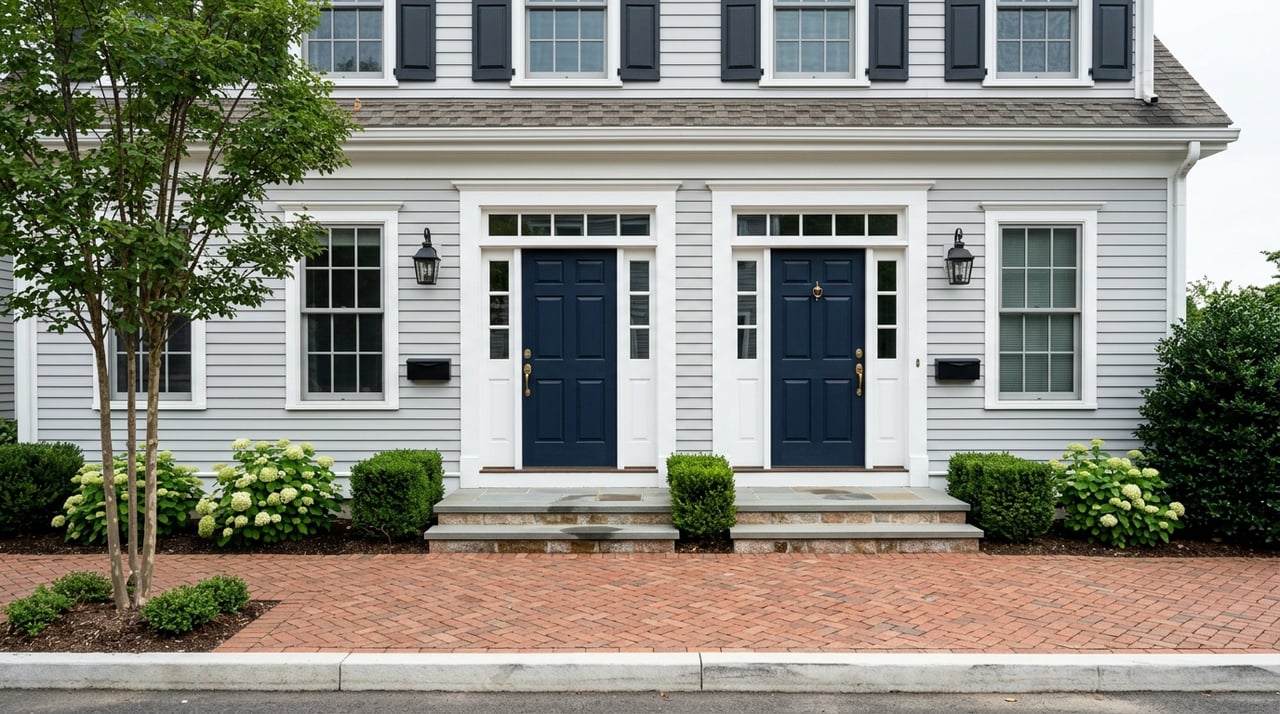
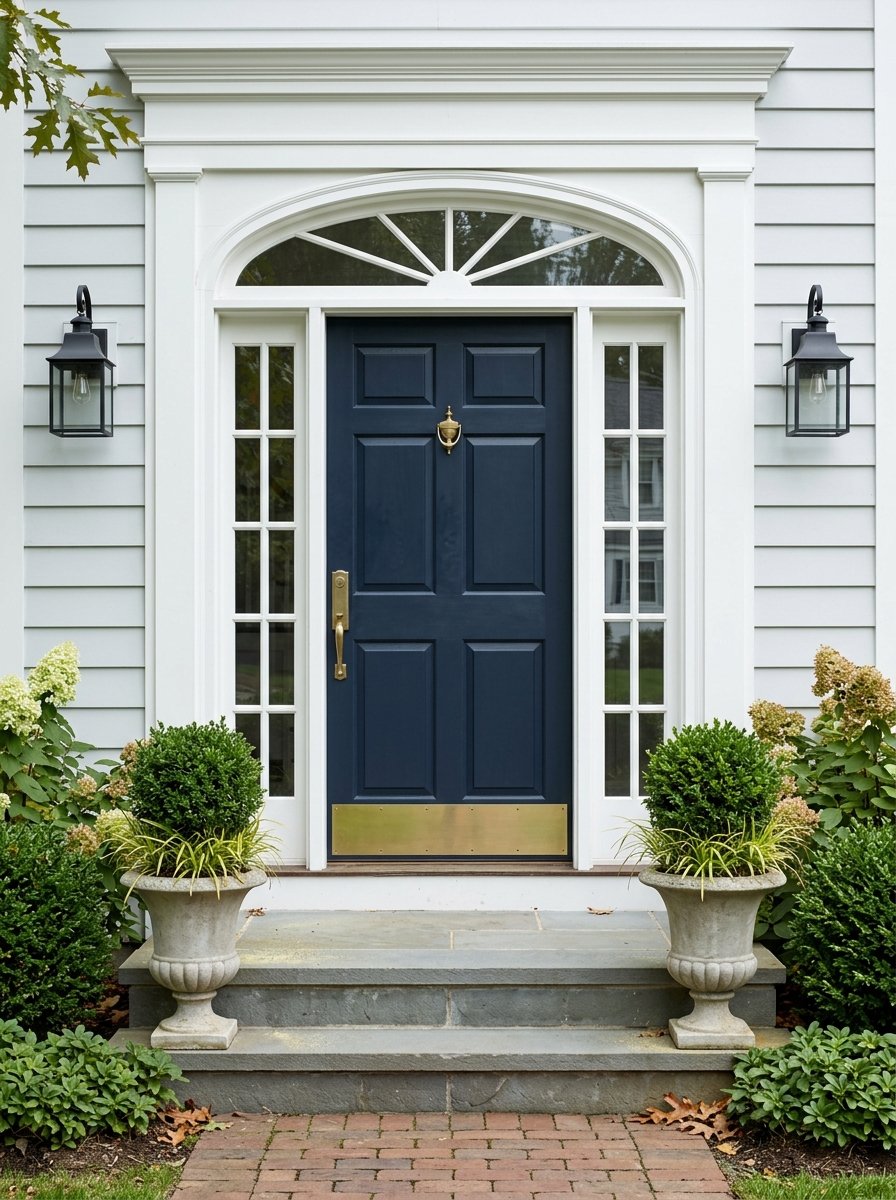
Inside the two local districts, properties cannot be demolished under normal circumstances, and any exterior change visible from the street, from a new roofline to a repainted door to replacement windows, needs a Certificate of Appropriateness from the Historic Districts Commission before work begins. The town's own meeting records show how granular this gets in practice: one Commission agenda approved replacing existing metal storm windows with triple-track storms matching a design already installed at 19 Court Street, and a separate application covered replacing a wooden gutter on the Church Street side of a residence, specified to match the existing profile and be repainted to match.
Where the Two Clocks Actually Collide
This is where the overlap in construction era becomes a scheduling problem rather than just a historical footnote. A seller preparing to list a pre-1970s home inside one of Dedham's local historic districts is often managing both processes at once without realizing they run on different timelines. A tank sweep can typically be scheduled within days once a seller decides to order one. A Certificate of Appropriateness cannot. It requires an application, and in most cases a spot on an upcoming Commission meeting agenda, which means the exterior repair a seller wants finished before listing photos, new gutters, matched storm windows, a repainted trim color, needs to enter the queue well before the tank question even gets resolved.
A seller who starts the tank sweep early and treats the exterior review as an afterthought can end up with a clean environmental report and a listing that still can't show finished curb appeal on schedule. The reverse causes the opposite problem: a beautifully refreshed exterior sitting on a house where the buyer's lender is still waiting on tank documentation. Either way, the bottleneck isn't the tank or the paint color on its own. It's whichever process the seller didn't start first.
What This Means If You're Listing an Older Dedham Home
The practical fix is to run both tracks from the same starting line rather than sequentially. That means checking with Dedham's Fire Department for existing fuel storage permits and scheduling a tank sweep in the same week a seller decides to list, not after an inspection surfaces a capped pipe. For homes inside the Franklin Square-Court Street or Connecticut Corner districts, it means reaching out to the Historic Districts Commission before any exterior work begins, since the Commission has said it's willing to meet with applicants ahead of a formal submission to review a project informally first.
Town-wide, the average home value in Dedham stood at $775,939 as of July 2026, up 2.0 percent over the prior year, according to Zillow. That figure moves slowly enough that it isn't the variable a seller needs to watch closely in the weeks before listing. The variable that actually determines whether a pre-1970s Dedham home reaches market on schedule is whether its two oldest-house processes started on the same day.
For a walk-through of what your own home's tank and historic-district timeline could look like before you list, request Elena Price's Instant Home Valuation for your Dedham address.
This article is general information, not legal, tax or financial advice. Consult a qualified professional about your situation.