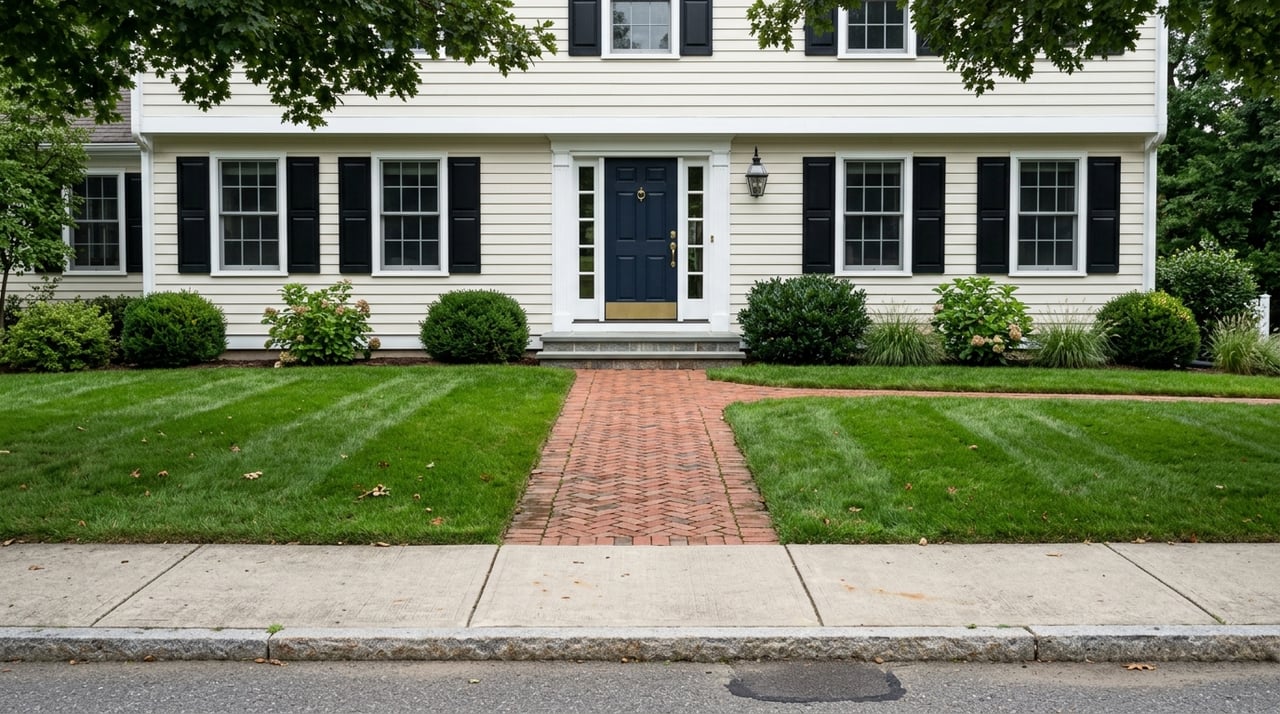
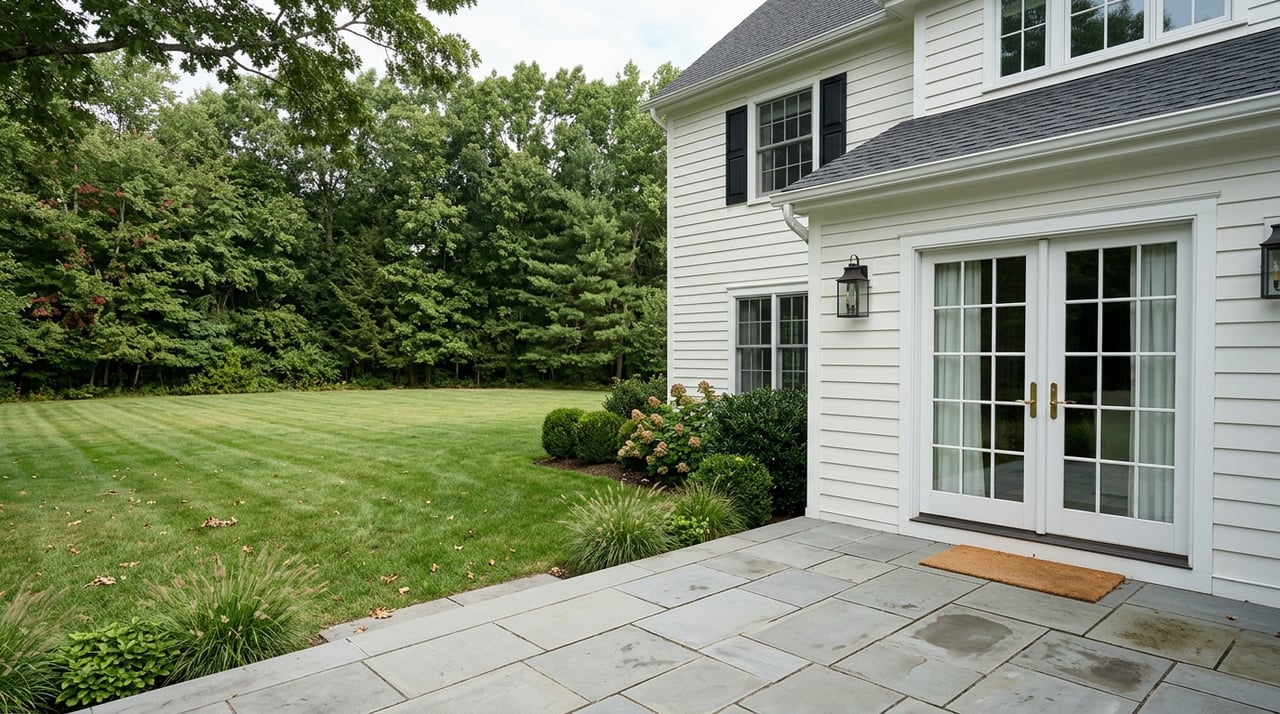
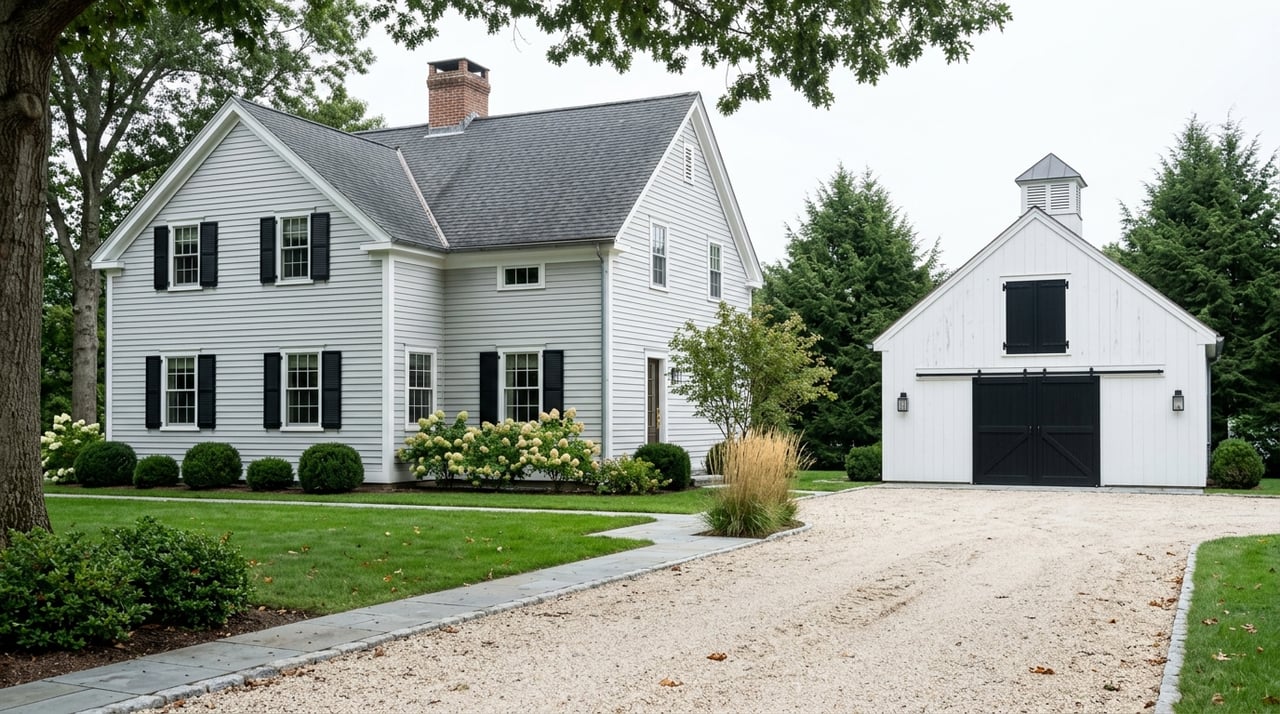
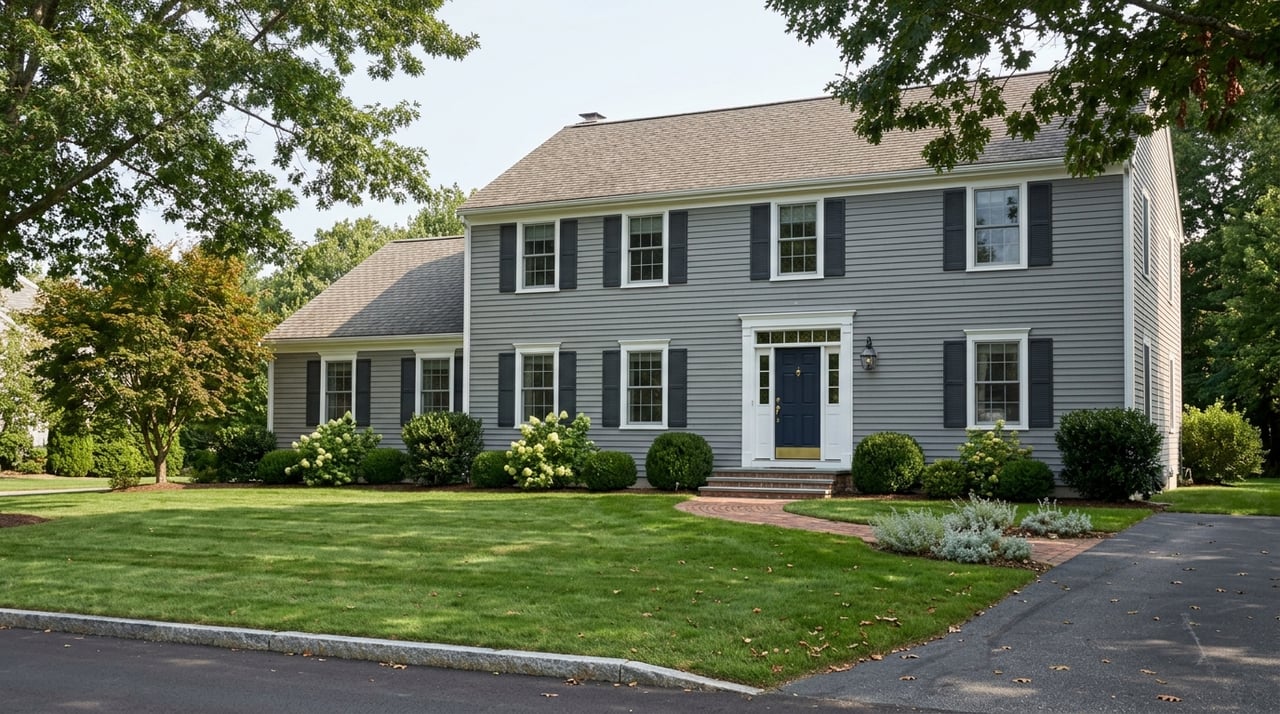
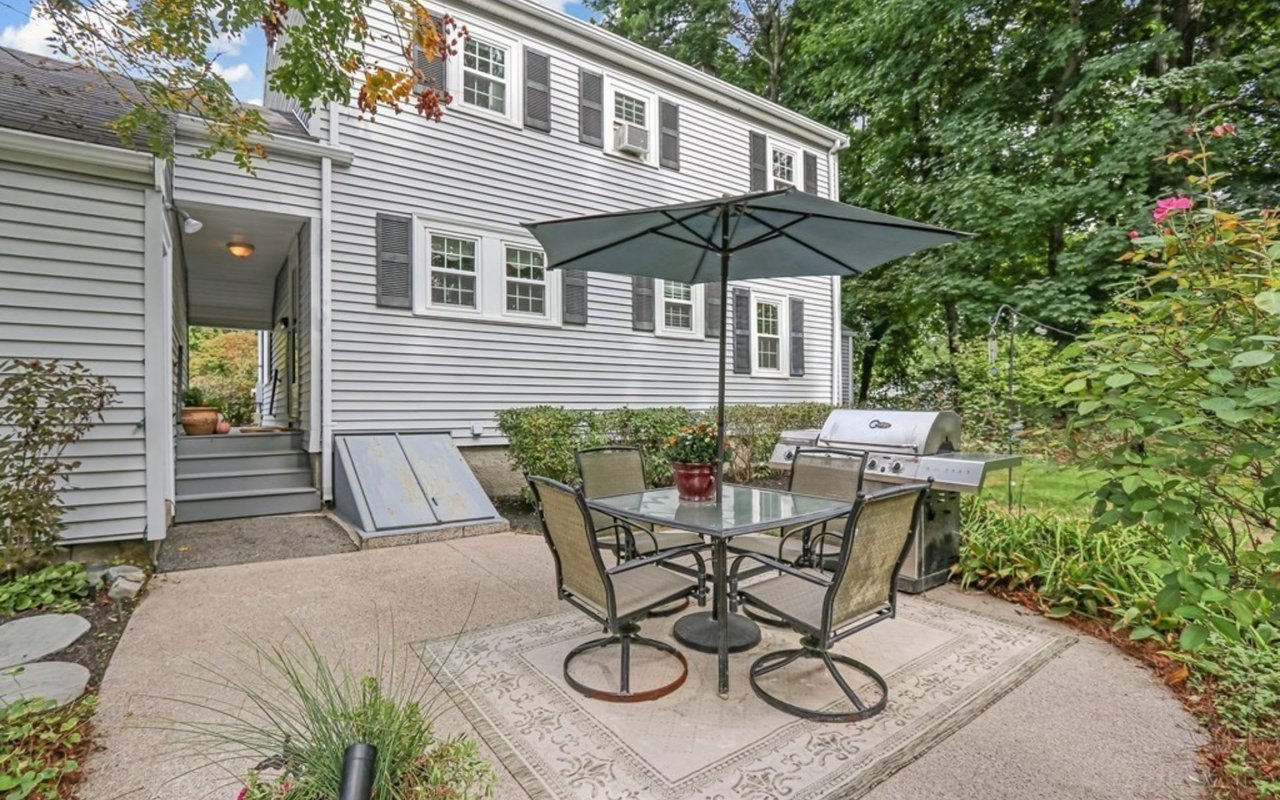
An in-ground irrigation system on a Walpole listing can legally run its lawn zones on one day a week, and never between 9 a.m. and 5 p.m. That has been the rule since June 10, 2026. As of early October, the latest notice from the town's Board of Sewer & Water Commissioners still says it stays in effect "until FURTHER NOTICE."
Many buyers assume the fix is more water. If the town bought supply from the Massachusetts Water Resources Authority, the restrictions would ease. Walpole spent years studying that connection, and this summer the Select Board voted 5-0 to withdraw the application. The consultants advising the town gave a reason that changes how a buyer should read every watering rule here. An MWRA connection "would not relieve existing outdoor watering restrictions." Those restrictions are tied to the town's withdrawal permits and to stream flow, not to how much water Walpole could get from somewhere else.
So the lawn rules follow a state permit, and the water bill follows a treatment plant. The rest of this post shows how each one works.
What the current policy allows
The Mandatory Water Demand Management Policy says the Commonwealth told Walpole to tighten outdoor use under its Water Management permit. It cites worsening regional drought and seasonal demand. The rules apply to "all outdoor water use":
- Odd-numbered addresses may water lawns on Tuesdays.
- Even-numbered addresses may water lawns on Thursdays.
- Sprinklers and automatic irrigation are prohibited from 9 a.m. to 5 p.m. on any day.
- Hand-watering of lawns, vegetable and flower gardens, shrubs and trees is allowed with a spring-loaded hose nozzle or a watering can.
- Public parks and recreational fields may be irrigated before 9 a.m. and after 5 p.m.
- Violators are subject to fines. The notice does not list an amount.
The rule that catches people is the one that disappeared. An earlier 2026 version allowed two watering days a week. It also had an exception for watering new lawns or plantings in May or September, and it was set to expire September 30. The June 10 policy that replaced it has no new-lawn exception. September is when New England lawns are usually reseeded. A buyer closing this fall who plans to regrade, sod or overseed is working under the stricter text.
Private irrigation wells don't get an obvious way around it. The town notice has no private-well exception, though it doesn't explain how it would be enforced against a well. MassDEP tells owners of irrigation-only wells to follow local and state water-use restrictions.
Why the rules follow the state permit
Walpole's Water Management Act permit, amended December 16, 2021, gives the town two ways to trigger restrictions. One is calendar-based, running May 1 through September 30. The other is based on stream flow, measured at USGS gauge 01105000 on the Neponset River at Norwood.
Under the stream-flow option, the thresholds work like this:
| Period | Flow threshold at the Norwood gauge | Restrictions begin | Restrictions end |
|---|---|---|---|
| May–June | 30 cfs | After 3 straight days below | After 7 straight days at or above |
| July–September | 18 cfs | After 3 straight days below | After 7 straight days at or above |
| Escalation trigger | 6.4 cfs, 7-day low flow | Stricter limits | Per permit |
The town's public notice doesn't say which option it chose this year. Under either option, the trigger is written into the state permit. It does not depend on how much water the town could buy from somewhere else. Regional conditions matter too. The state's drought declaration of September 10, 2026 put the Southeast Region, which includes Norfolk County, at Level 1, Mild Drought.
This is why a supply connection was never going to change the lawn rules. Water piped in from the MWRA doesn't change the calendar in the permit, and it doesn't raise the Neponset's flow at Norwood.
What the MWRA connection would have bought
The town's process ran through state environmental review. Walpole filed an Environmental Notification Form in July 2025 and a Draft Environmental Impact Report in March 2026. The state's Office of Water Resources and MassDEP then commented that the filing did not show enough need for the transfer. Specifically, it had not ruled out other viable local sources.
At the June 30 Select Board meeting, Weston & Sampson laid out the economics:
- MWRA water costs about twice as much as drawing from local sources, and the consultant said no scenario exists where connecting lowers residents' rates.
- A full connection would cost about $11 million in capital. That breaks down to roughly $5 million for a pump station at the Mylod Street site and $6 million in upgrades to Norwood's system, which would carry the water to Walpole.
- The consultant pointed to Stoughton, where a pump station costing more than $20 million, built 15 to 20 years ago, goes largely unused because local sources stay cheaper to run.
- She also said regulators have signaled that redundancy alone is not a recognized reason to approve an interbasin transfer, and she had "low confidence" the application would succeed.
What remains on the table is an emergency connection. It would not need the same environmental review or interbasin permit. It could only be used during emergencies declared by MassDEP, for no more than six months in a calendar year. DPW Director Matson gave a concrete reason for having one. A single transmission line carries water out of the Delaney/Willis treatment plant. On July 13, the Sewer & Water Commission voted 3-0-1 to direct the Town Administrator to pursue an emergency connection if supply proves inadequate. At the same meeting it also voted to fill in information members said was missing from the draft environmental report. As of the August 11 Select Board minutes, the emergency pump station was still listed as a future capital cost, not an approved project.
Not everyone agreed with the decision. Commissioner John Hasenjaeger raised several concerns:
- planned housing that could add 9 to 10 percent to water demand
- half of the town's wells being more than 35 years old
- a closing window for MWRA membership
- an entrance-fee waiver that may not come back
A buyer looking 10 years out should know both sides of that discussion.
Where the pressure on the water bill comes from
The larger cost is treatment. The town's five-year water capital plan stands at $23.4 million, much of it for PFAS-related projects. A June 3, 2026 memo, reported to the Sewer & Water Commission on June 8, estimated $18.9 million to build the proposed PFAS treatment plant. The minutes don't name a site, schedule or start date. The MWRA option wouldn't have avoided this cost. The Town Administrator confirmed Walpole would still have to treat its own supply for PFAS with or without a connection.
For context, Walpole's 2025 water quality report lists PFAS6 results from 5.32 to 16.7 parts per trillion during calendar year 2025. The state limit is 20.
New supply comes with the same treatment need. The Washington Well 7 exploration well pumped about 300 gallons per minute in a test this summer. The town's geologist estimated a full production well could yield around 0.864 million gallons per day. The initial estimate to bring it online is $2.5 million to $3.5 million. That well will also require PFAS treatment.
The watering rule and the water bill are linked. Water departments are funded by the water they sell. At the June 30 meeting, Clerk Gallivan said the state's cut in outdoor watering from two days a week to one would further constrain water revenue. Selling less water while paying for a large treatment program puts pressure on rates.
For FY27, water rates rose 2.5 percent starting July 1. The sewer side is recorded two different ways. The Select Board's June 30 minutes describe a uniform 2.5 percent increase across all tiers. The Commission's June 8 minutes list sewer tiers rising 2.5, 5, 7.75 and 9.75 percent. In August, the Select Board discussed covering budget shortfalls from retained earnings. It also noted that very-low-interest state financing might be available for PFAS work, without giving an amount or schedule.
Questions for due diligence on a Walpole house
- How is the irrigation system zoned? On a one-day schedule with no daytime running, a system has to cover the lawn in early-morning and evening windows on that one day.
- Is the address odd or even? That decides whether the lawn day is Tuesday or Thursday.
- Does the property have a private well, and what is it permitted for? Walpole's Board of Health requires a permit and a plot plan to build a well.
- What do recent water and sewer bills show? The sewer schedule is tiered, so a household's usage affects how much the increase matters.
- Has the meter been replaced? As of July, 1,749 of the town's 9,283 meters had been upgraded, with a larger replacement contract expected to follow.
- What is the landscaping plan, and when would it start? Seeding or sodding under the current policy has no new-lawn exception.
FAQ
Are Walpole's watering restrictions still in effect in October 2026? The latest posted notice, effective June 10 and reposted August 4, says the policy remains in effect until further notice. No notice lifting it has been posted. MassDEP's statewide reporting period ends September 30, so its list may not show a town's current status.
Would joining the MWRA have lowered Walpole water bills? According to the town's consultant, no. MWRA water costs about twice as much as local supply, and no scenario reduces rates.
Is the town still considering any MWRA connection? An emergency-only connection is still under discussion. The Sewer & Water Commission voted in July to pursue one if supply proves inadequate. As of August, no construction had been approved.
Elena Price prices Walpole homes with these details in mind, including how the landscaping and irrigation hold up under one-day watering and what the carrying costs look like. If you're weighing a sale or purchase in Walpole, request your Instant Home Valuation and we'll start with the numbers that apply to your property.