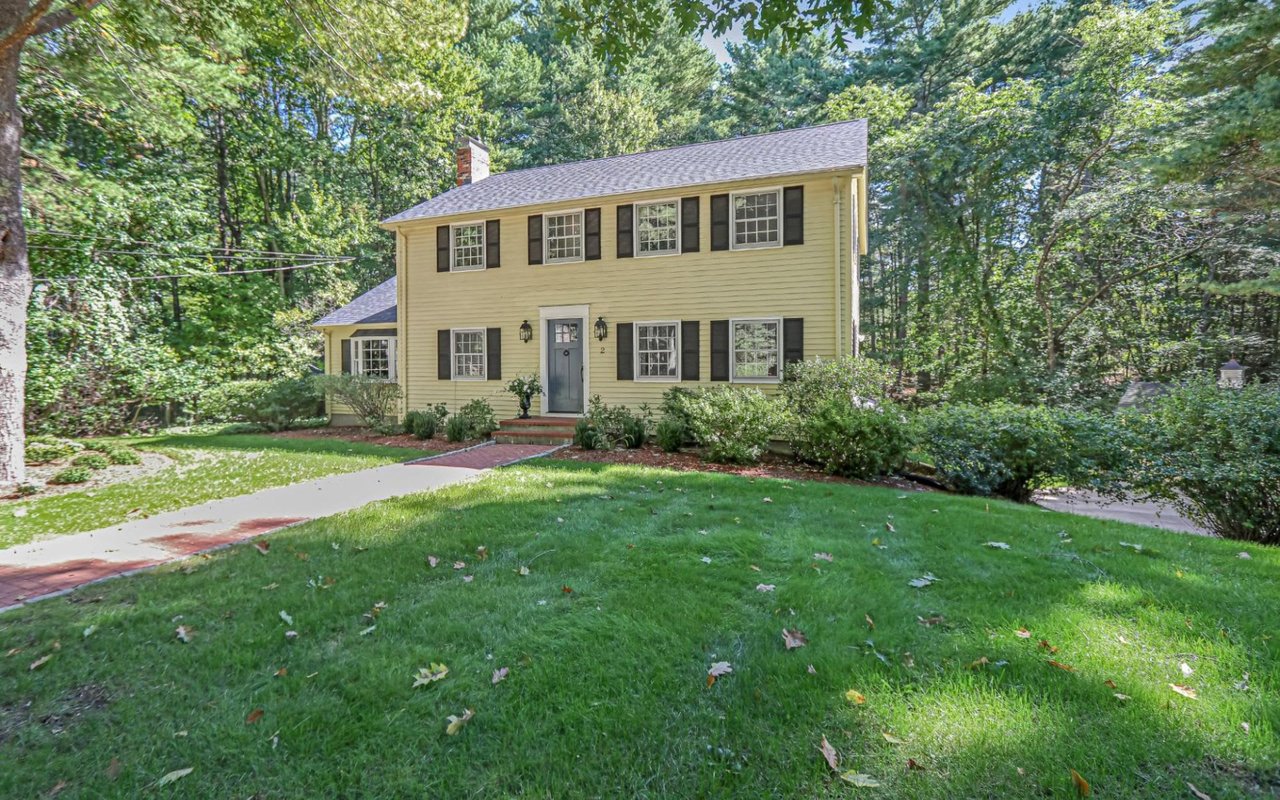
As Westwood Minute reported, Dover residents gathered for a Special Town Meeting on September 29, 2025, and approved a Multi-Family Overlay District to bring the town into compliance with the state's MBTA Communities Act. For a town whose entire zoning identity rests on one- and two-acre lots, that sounds like the beginning of the end of Dover as buyers have known it. It isn't. The vote had almost nothing to do with wanting apartments in Dover, and the same physical limits that have kept the town's lots large for decades are still sitting underneath that new overlay district, unmoved by anything Town Meeting can approve.
The Math Behind the Vote
Dover's planning board had been working on MBTA compliance for about three years before that vote, reviewing sites and running numbers with consultant Jeff Davis of the Horsley Witten Group. But what actually moved votes at the September meeting, according to Select Board member Robyn Hunter, was money the town already receives and stood to lose. Dover applies for and gets about $1.3 million a year in state grants. It also had a $13 million earmark on the table for replacing the Center Street Bridge. Both were tied to MBTA compliance.
Hunter laid out what non-compliance would have cost the median Dover homeowner, whose property was valued around $1.6 million at the time: roughly $600 a year in additional taxes from the lost grant funding, plus another $425 if the bridge earmark disappeared too. That is over $1,000 a year in additional taxes for the average household, not to keep apartments out, but for voting no on a zoning change that does not require anyone to build anything.
| What was at stake | Amount |
|---|---|
| Annual state grants Dover receives | About $1.3 million |
| Center Street Bridge replacement earmark | $13 million |
| Estimated added tax burden if grants were lost | About $600/year on the median home |
| Estimated added burden if bridge funding was also lost | About $425/year on top |
Framed that way, the vote looks less like a referendum on density and more like a decision about whether to keep paying for a bridge twice.
What the Overlay District Actually Allows
State law required Dover, classified as an "Adjacent Small Town" under the MBTA Communities Act because it borders a community with transit service, to zone for at least 102 units at a base density of 15 units per acre somewhere in town.
What the law does not do matters just as much as what it does. According to Hometown Weekly, the act does not require multi-family housing to actually get built, and does not override Dover's wetlands bylaw or Title 5 septic regulations. The town created a legal allowance. It did not create a construction mandate, and it did not touch the rules that make construction hard in the first place.
The Infrastructure Ceiling No Vote Can Change
Here is the part that actually determines what happens next. Nearly 70 percent of Dover's homes run on private wells. Most of the remaining homes are served by Aquarion Water Company, a private utility regulated by the state, with a small number of properties drawing water from neighboring Natick or Walpole. Dover's own water resources page puts a price on fixing this: building out a town-wide public water distribution system would cost approximately $225 million, a figure the town has cited as a reason alternative supplies remain impractical.
Septic tells the same story from a different angle. Dover enforces Title 5, the state's minimum sewage disposal standard, plus its own stricter local rules on top. Dover's Title 5 FAQ says a cesspool is an automatic failure in a Dover Title 5 inspection. For new septic systems, Dover's septic code may require a test pit at least three feet below the leach field or to the water table itself. The town also maintains three separate Groundwater Protection Districts specifically to shield the aquifer that supplies its private wells, including the wellhead protection areas around existing community wells.
None of that changes inside the new overlay district. Any multi-family project in the overlay district still needs a functioning water source and a septic system. The zoning line moved. The ground underneath it did not.
What This Means If You're Comparing Dover to Other Metrowest Towns
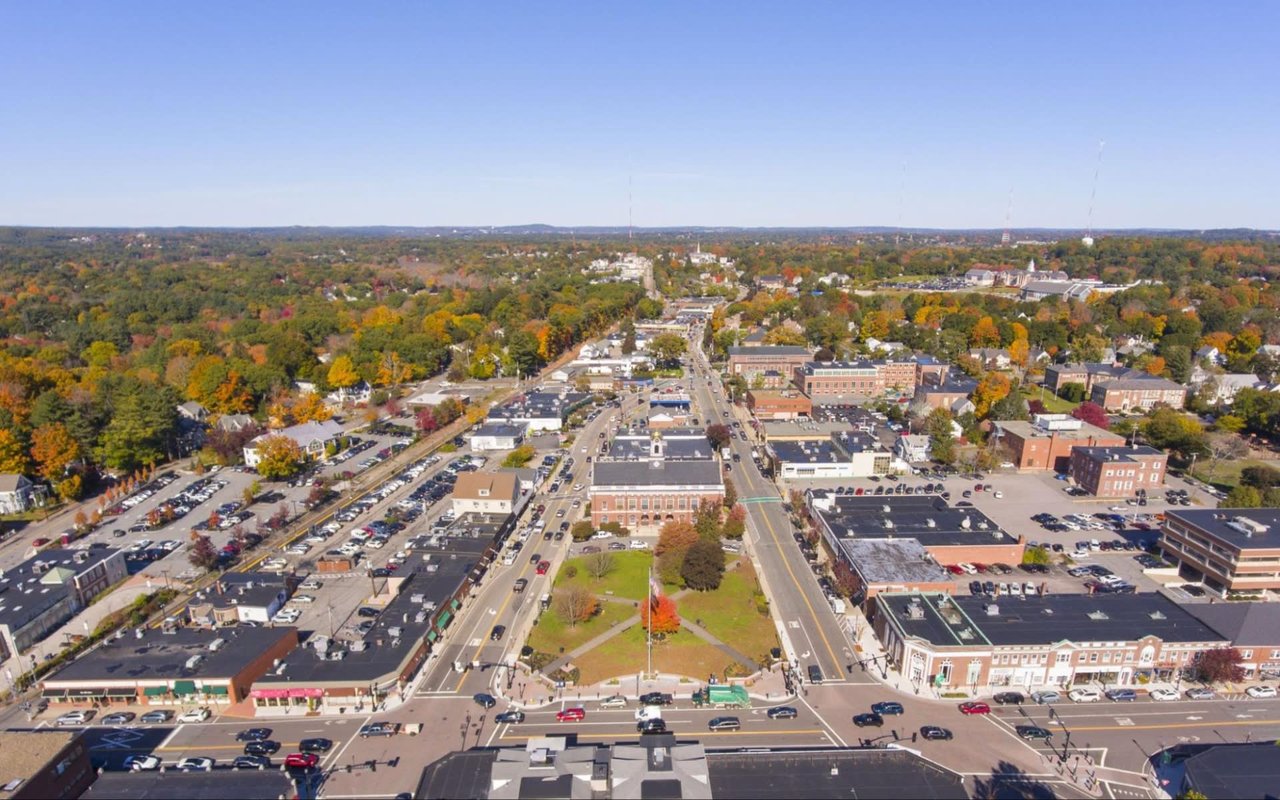
Dover sits surrounded by Natick, Wellesley, and Needham to the north, Westwood to the east, Walpole and Medfield to the south, and Sherborn to the west, several of which have public water and sewer capacity in at least parts of town. That is the actual variable to watch when you are weighing Dover against a neighboring community. MBTA compliance means something very different in a town where a sewer main already runs down the street than it does in a town where the nearest realistic water source is $225 million away.
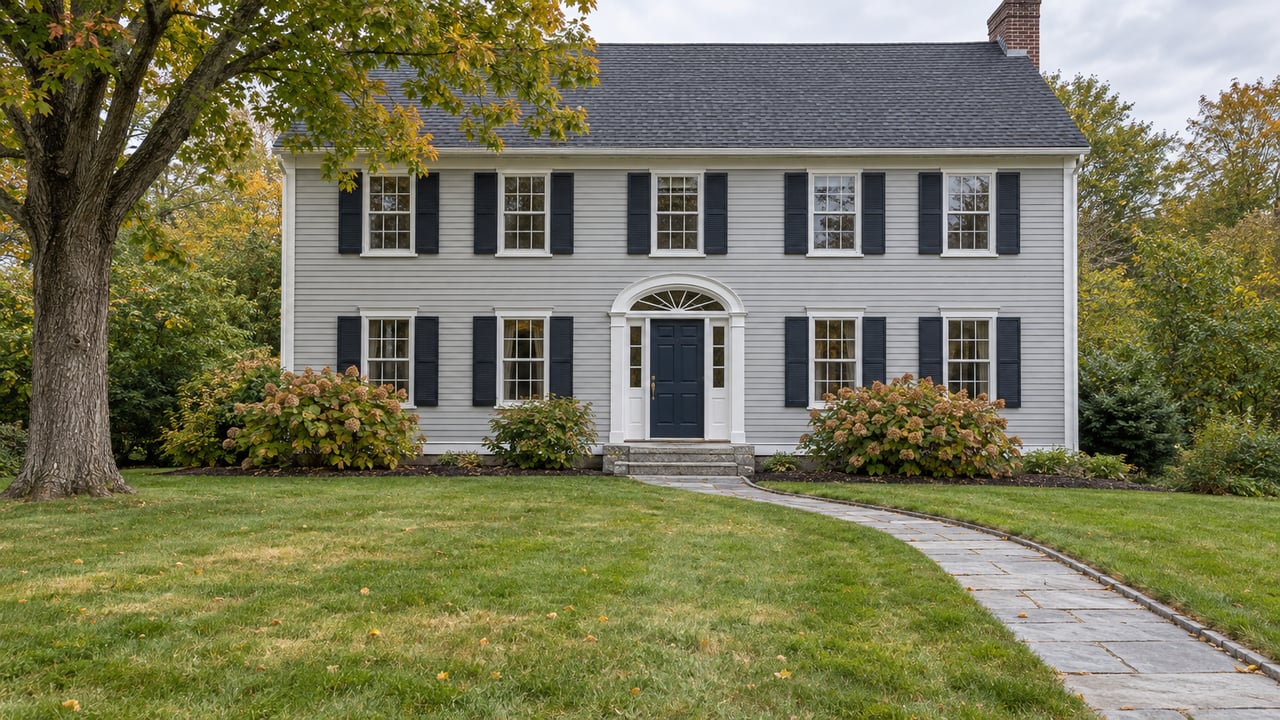
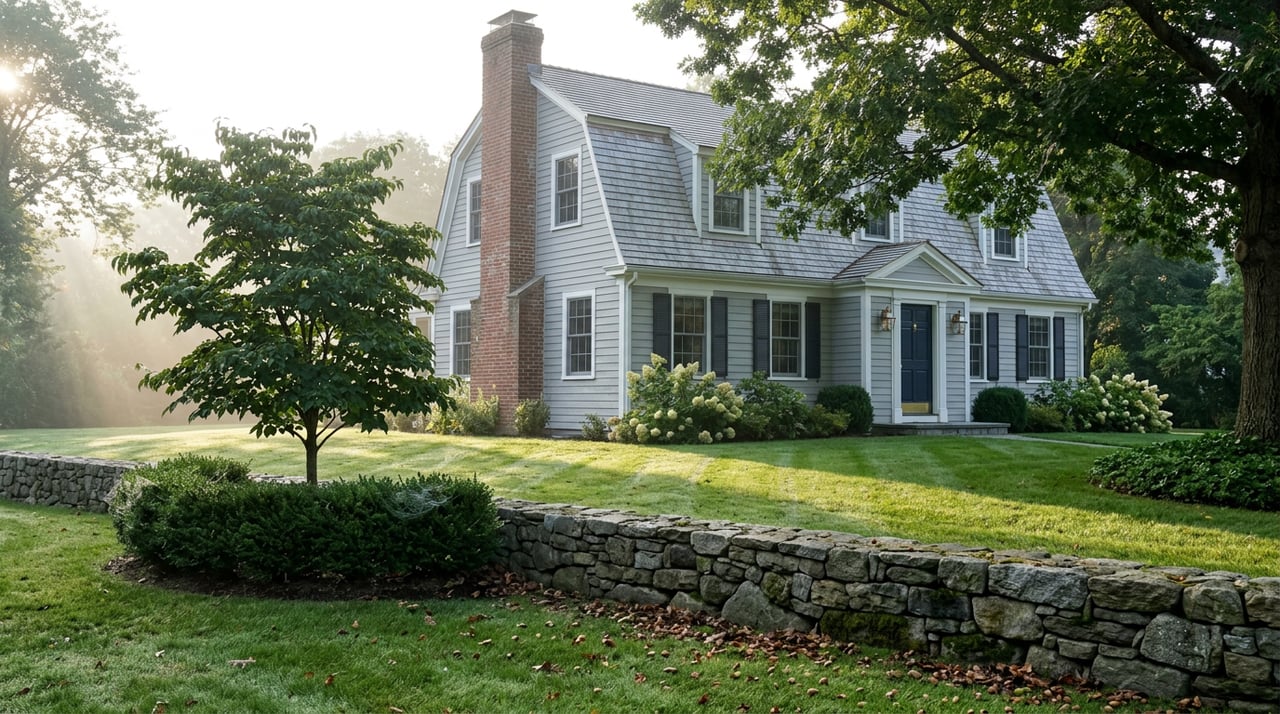
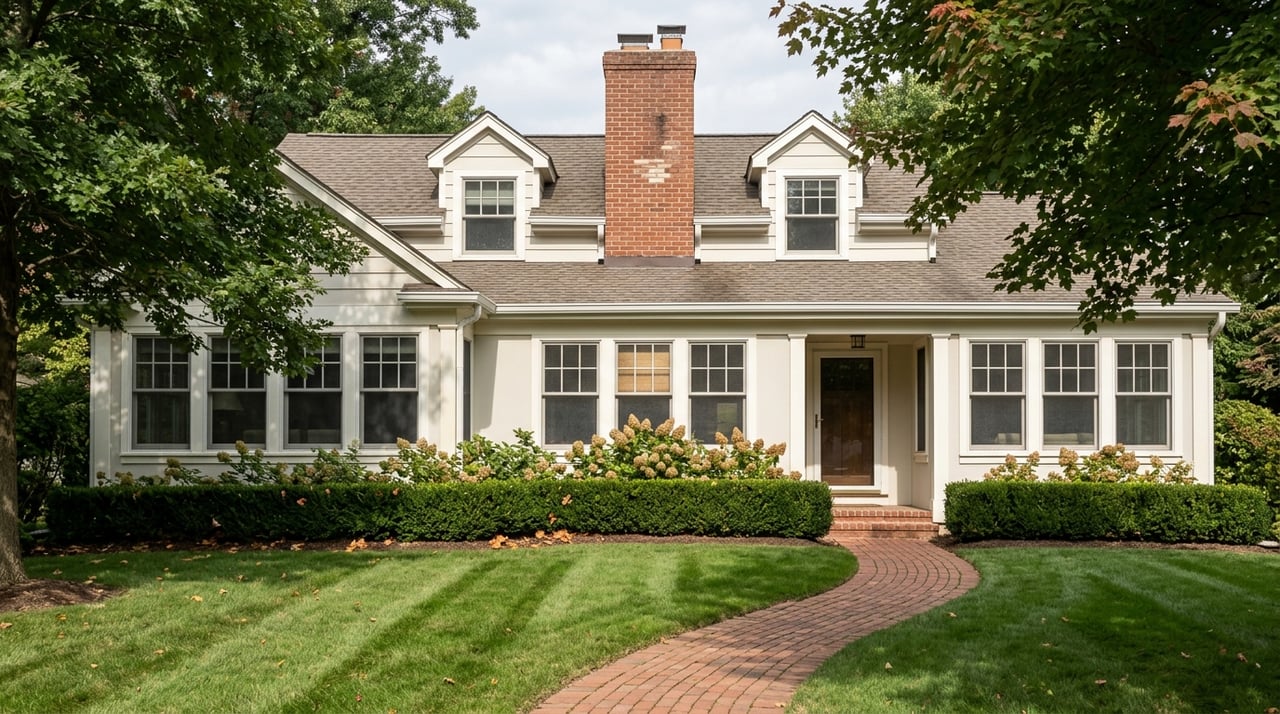
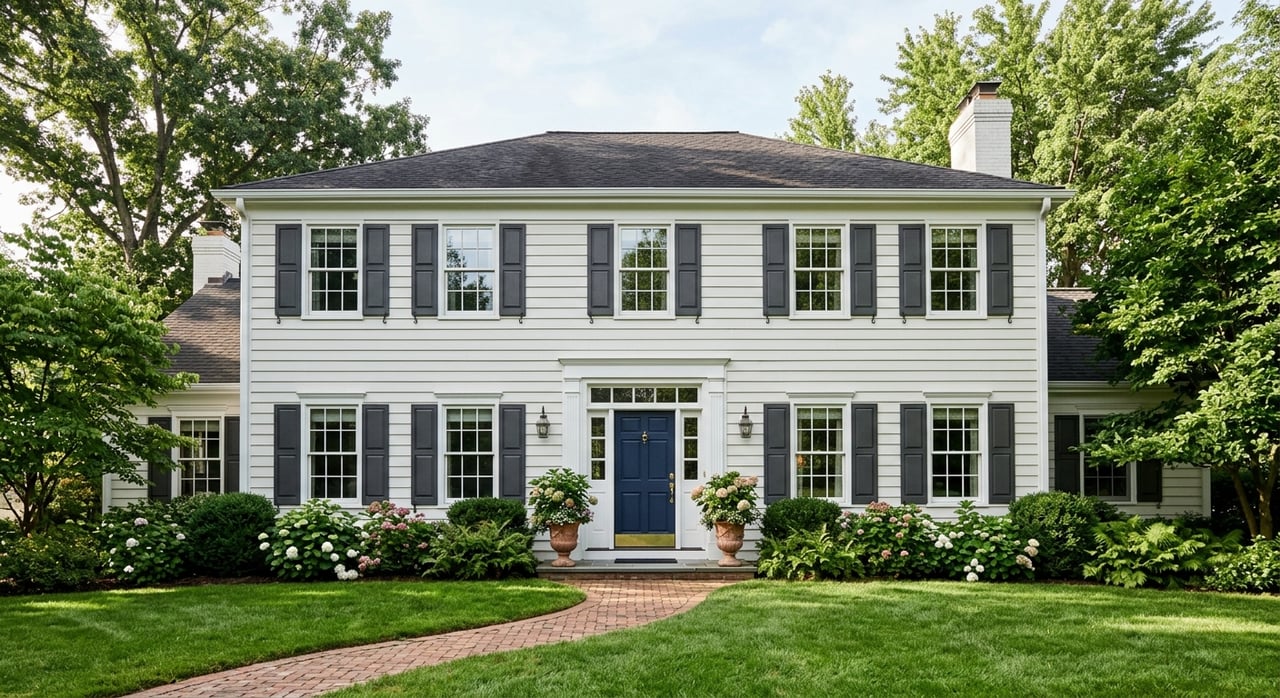
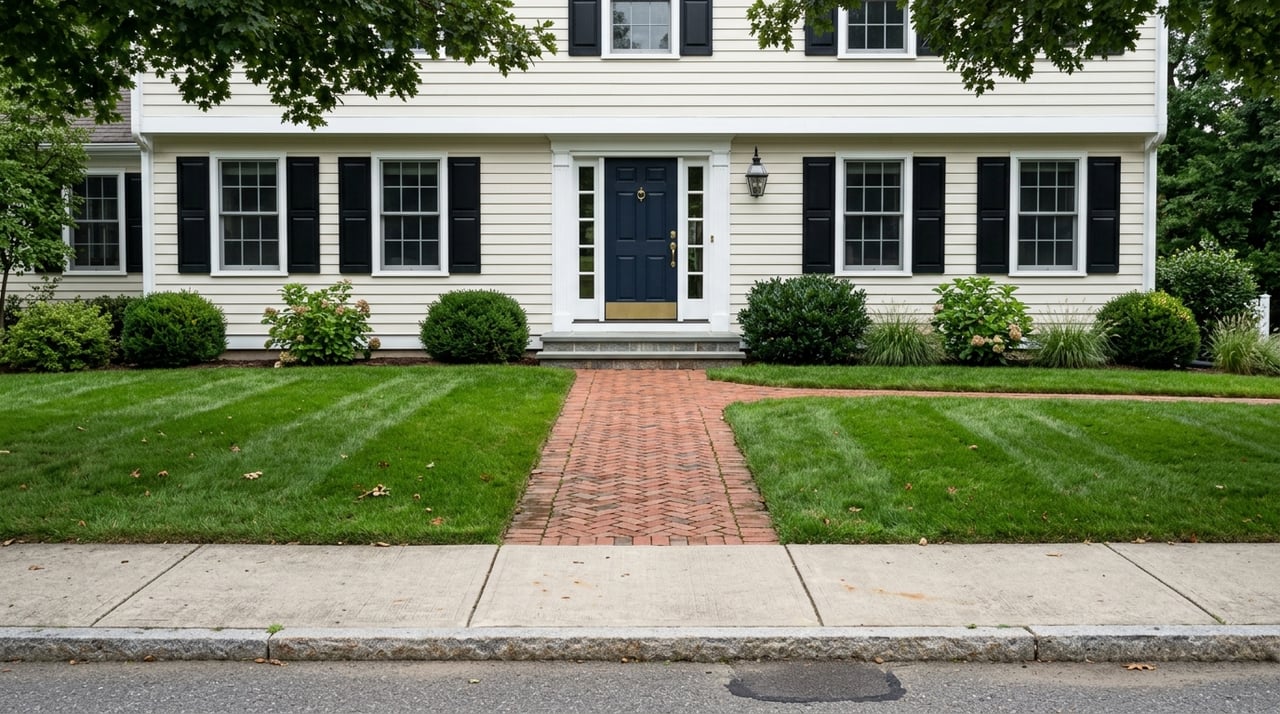
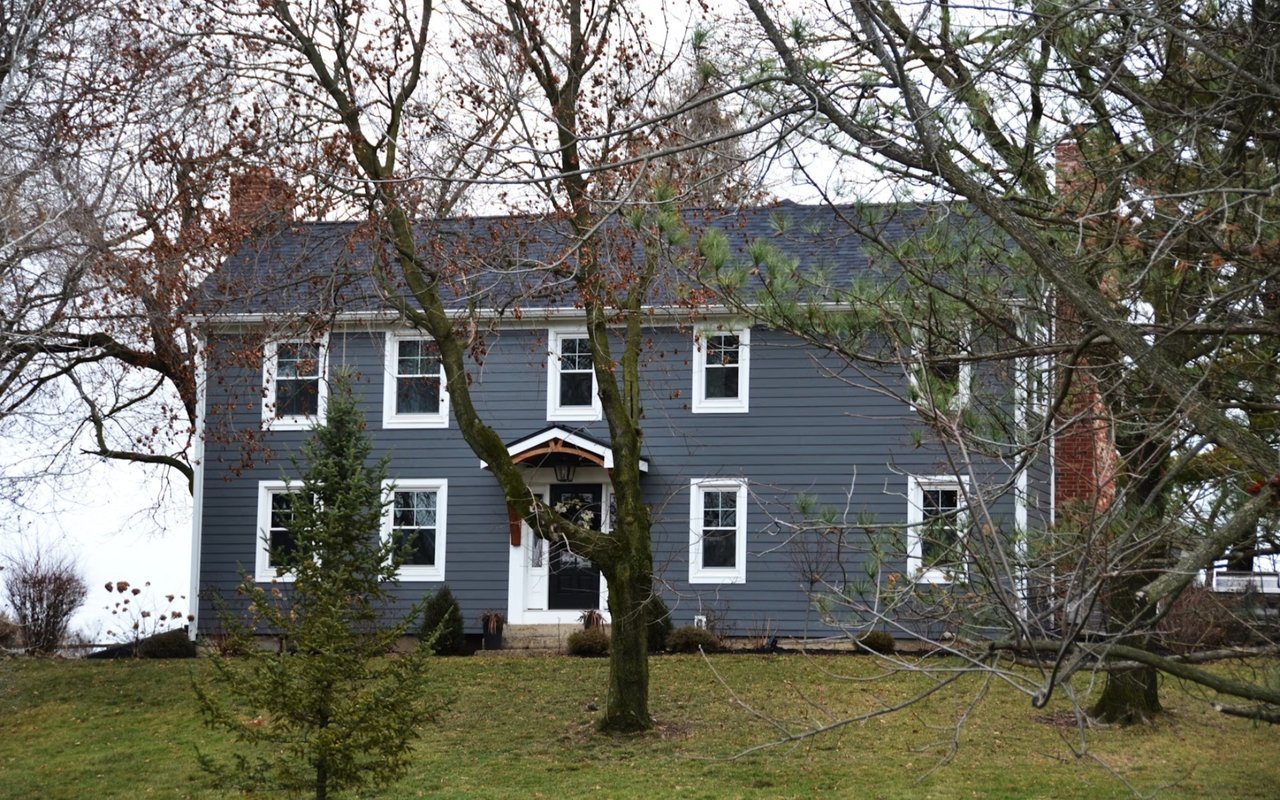
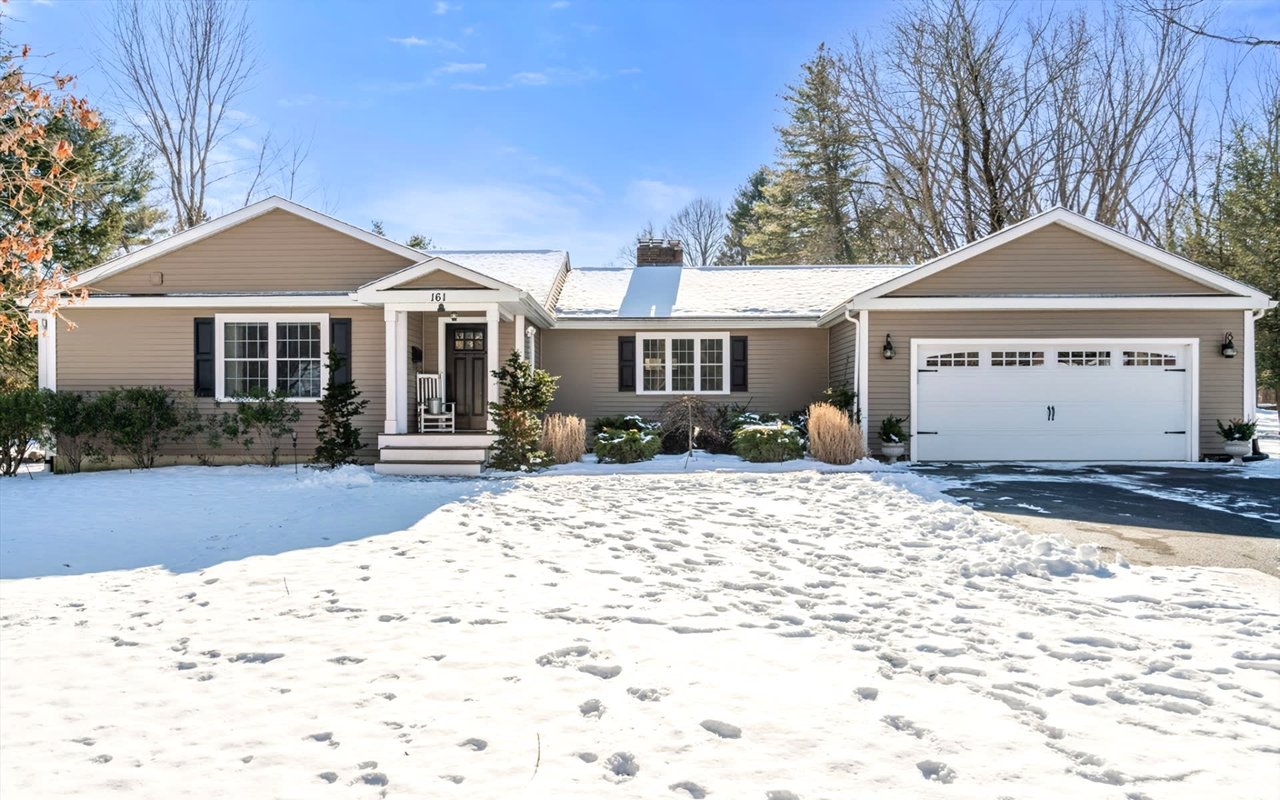
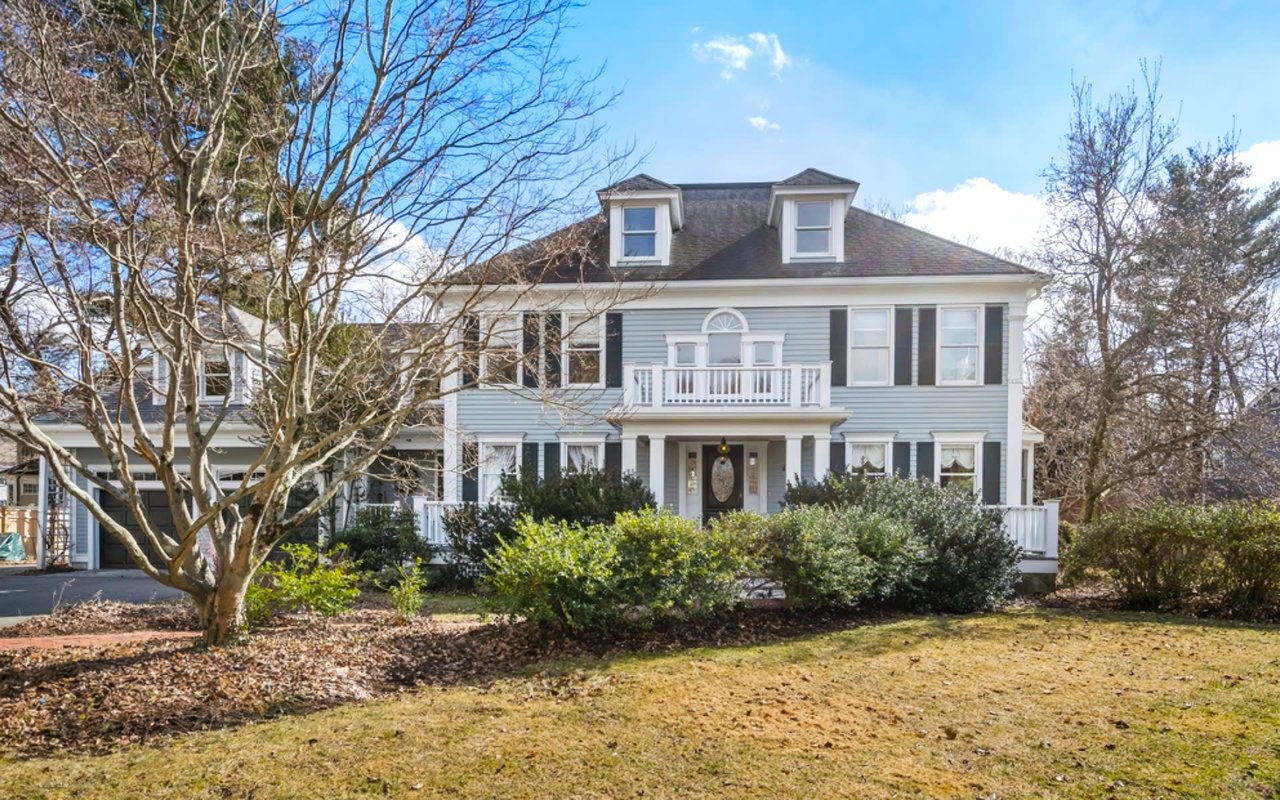
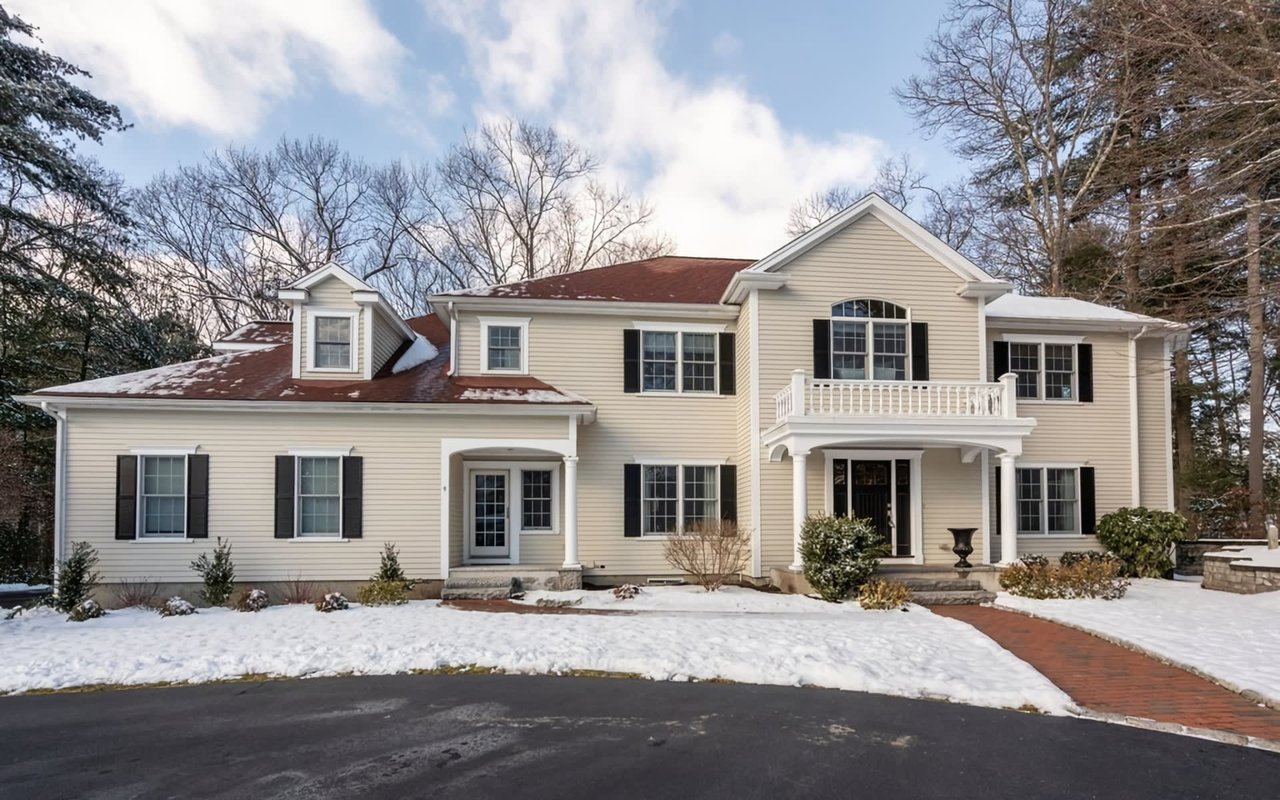
Dover's housing stock reflects this. The town's own land use page notes that its inventory is almost entirely single-family homes, with less than 3 percent built under the state's Chapter 40B affordable housing law, a threshold Dover has not reached. A Housing Task Force formed in 2023 and a $100,000 Development and Housing Plan, awarded to Barrett Planning Group in November 2025, are underway. Those are planning exercises, not infrastructure projects. If you are comparing Dover's large-lot premium against a town with fewer zoning restrictions but a workable sewer system, you are comparing two different kinds of scarcity, and only one of them is protected by a well and a septic field rather than a zoning map.
One more thing worth flagging if you are researching Dover's numbers directly: recent median price figures for the town swing widely across sources and months in 2026, from roughly $1.6 million to over $4 million depending on which snapshot you pull. That is not the market lurching. Dover typically sees only a handful of closed sales in any given month, and a small sample size means one or two high-end transactions can swing a median dramatically. Treat any single median price for Dover as a snapshot of a thin month, not a trend line.
FAQ
Does this mean apartments are actually coming to Dover? The zoning now permits it in the overlay district. Nothing in the law requires it, and the same water and septic constraints that apply everywhere else in Dover apply there too.
Will my property taxes change because of this vote? The town avoided the scenario where lost state grants and bridge funding would have added an estimated $1,000-plus a year to the median homeowner's tax bill. Compliance itself carries no stated cost. Individual tax impacts depend on your own assessment, and a licensed tax professional is the right resource for anything specific to your situation.
If you are weighing Dover against another Metrowest town and want to understand what a specific property's water source, septic history, or lot configuration actually means for its long-term value, that is exactly the kind of groundwork worth doing before you make an offer. Elena Price has spent decades reading Dover's market past the headline numbers, and her Instant Home Valuation tool is a good place to start putting real figures behind your own comparison.
This article is general information, not legal, tax or financial advice. Consult a qualified professional about your situation.