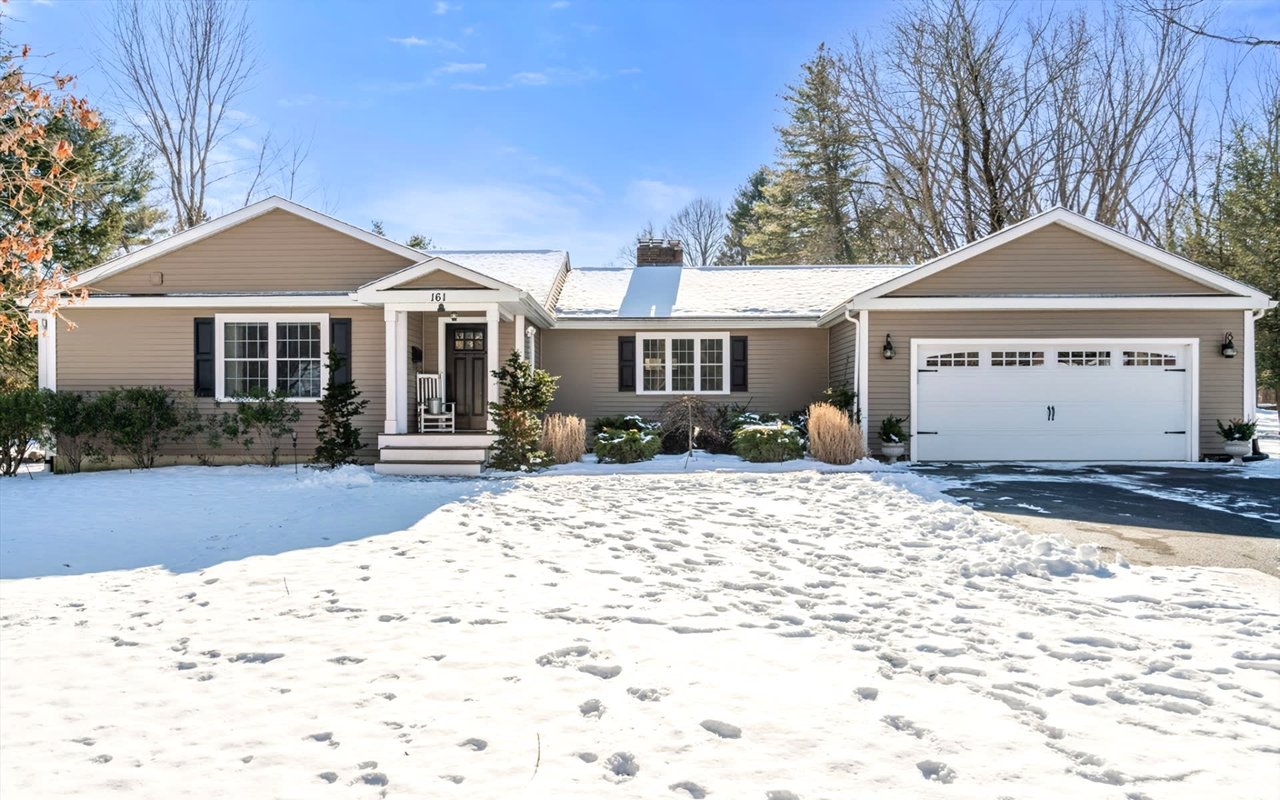
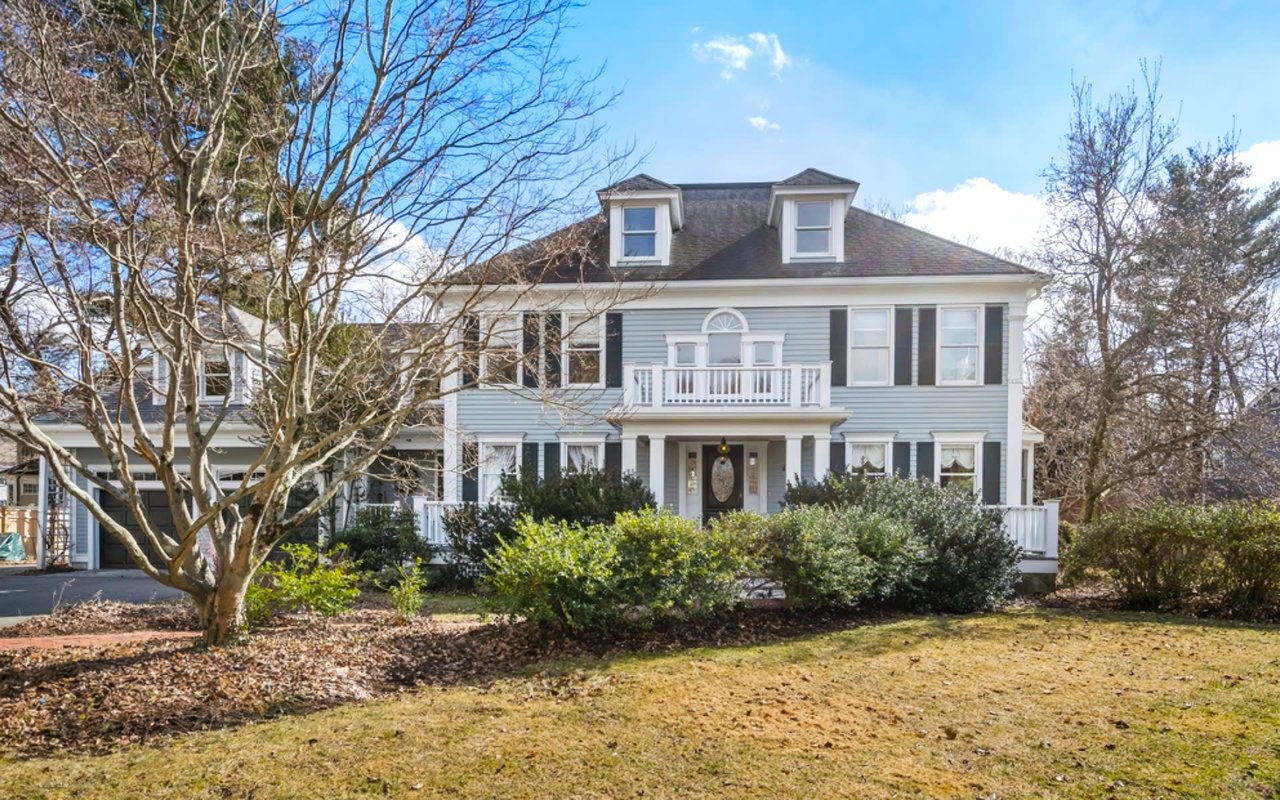
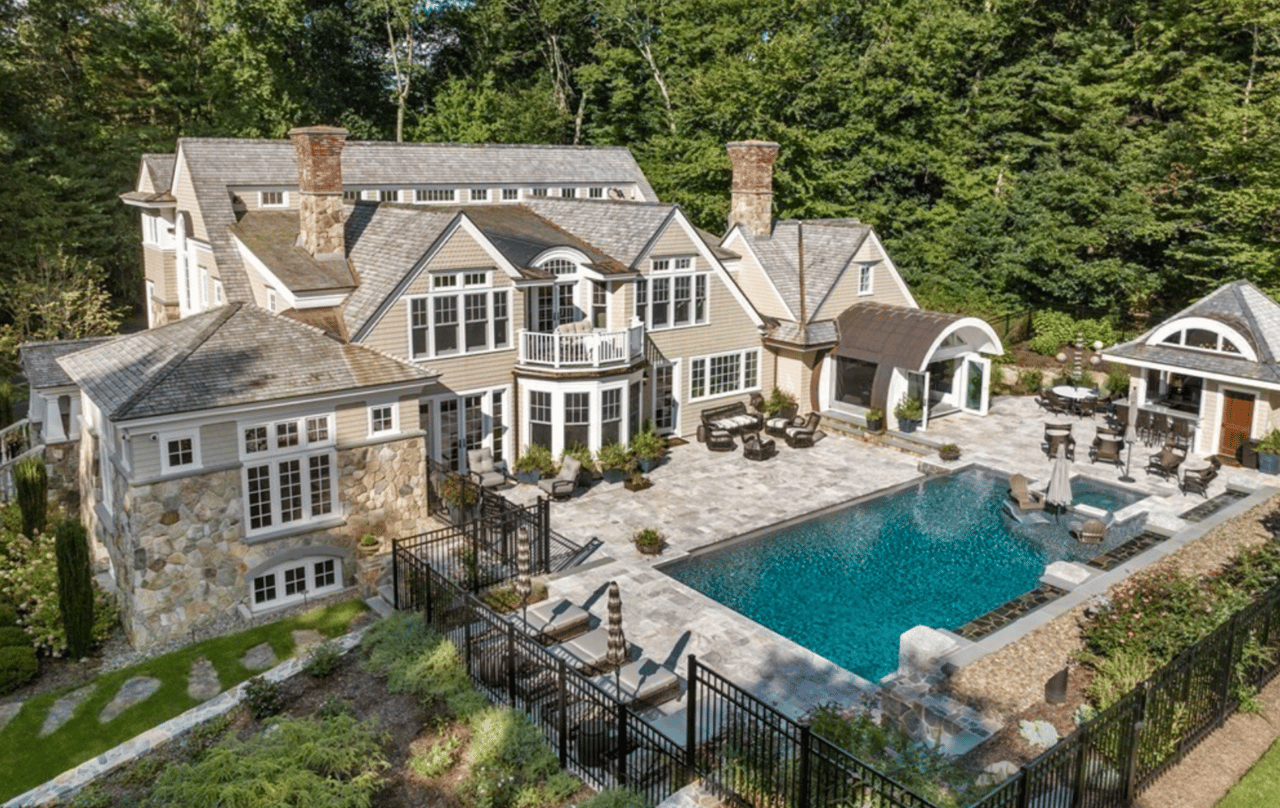
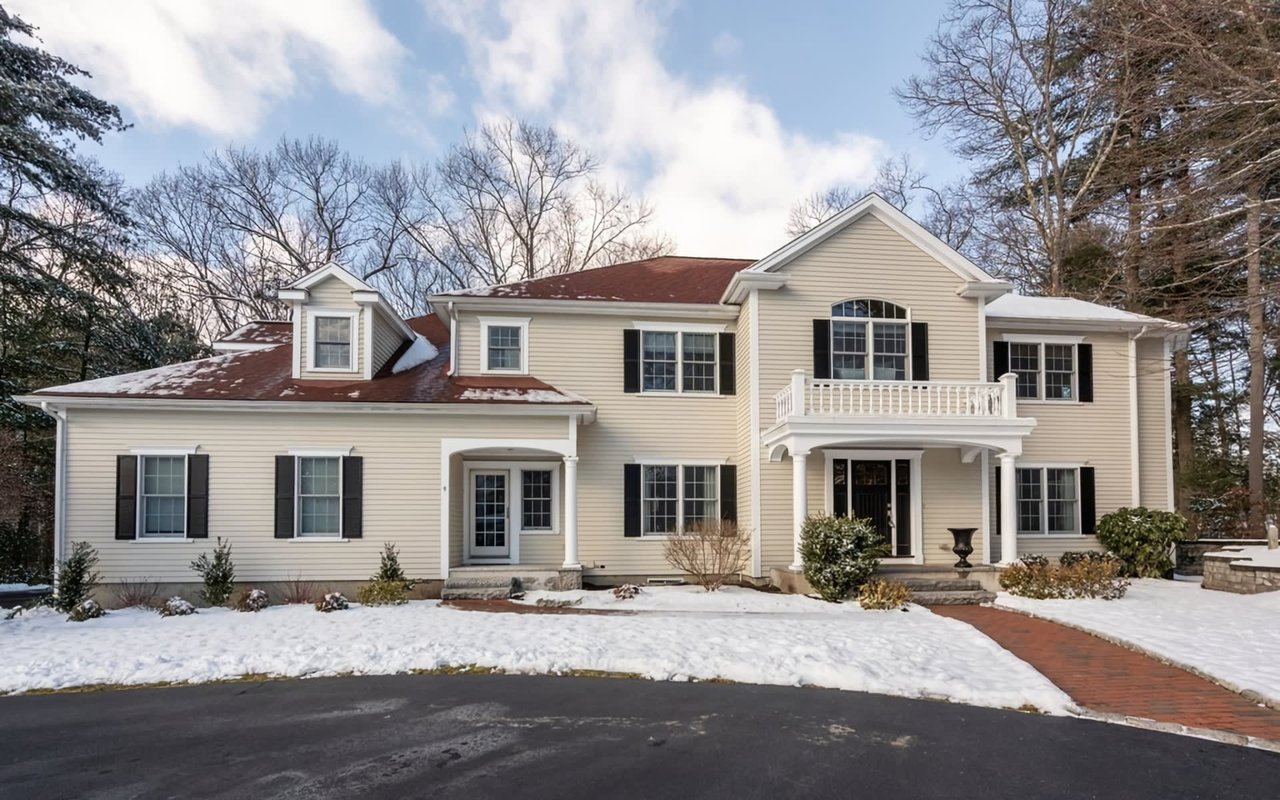
Looking for space, privacy, and a horse-friendly lifestyle without giving up access to Boston? Dover stands out for exactly that reason. If you are considering estate living in this part of Metrowest, it helps to understand how land, trails, zoning, and private property systems shape daily life here. Let’s dive in.
Why Dover Feels Like Estate Country
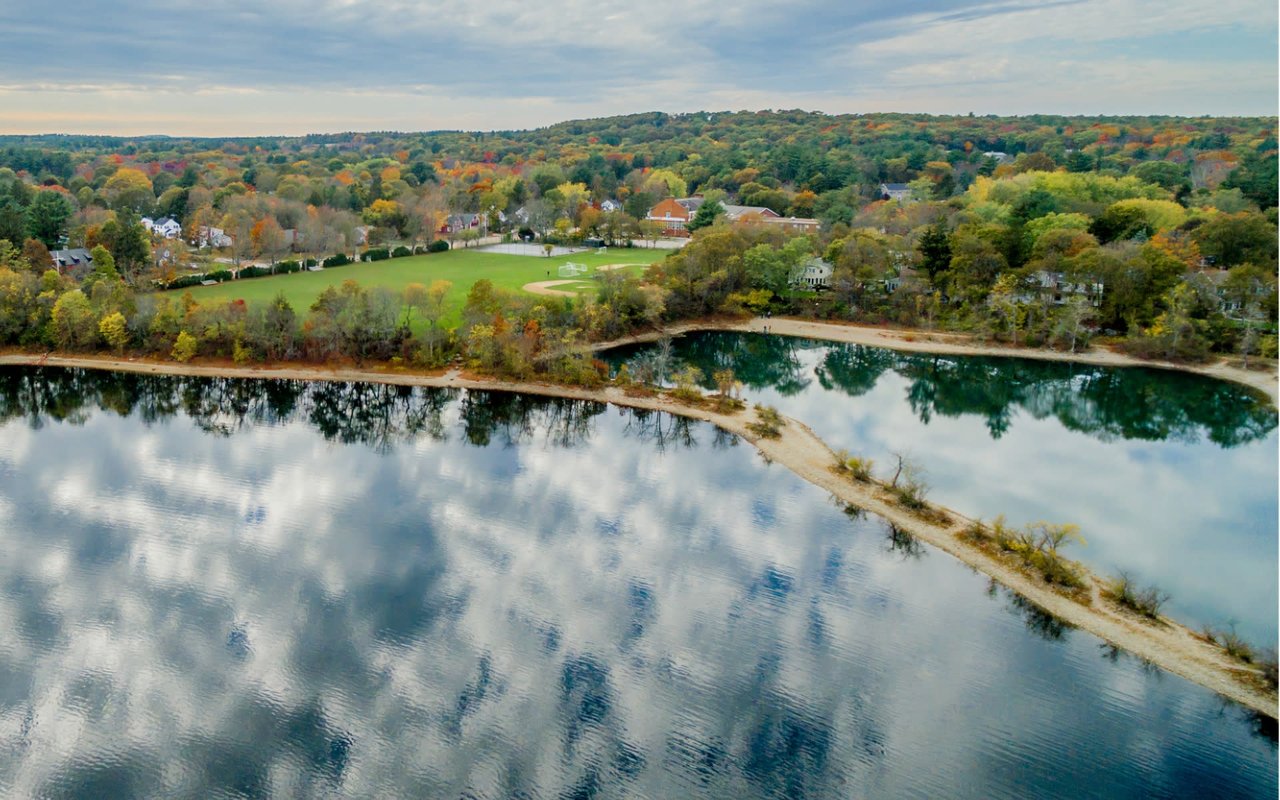
Dover is a predominantly residential town about forty minutes from downtown Boston, but it feels far removed from a typical close-in suburb. Scenic roads, open land, trail networks, and access to the Charles River all contribute to its distinctly rural character.
That atmosphere is not accidental. Dover’s master plan reports roughly 3,000 acres of protected open space, or more than 30% of the town’s total area. For you as a buyer, that helps explain why so many properties feel buffered, private, and connected to the landscape.
The town’s assessed values also reflect its high-end housing market. For FY 2026, Dover reports an average single-family valuation of $1,720,791 and a median of $1,479,000. That pricing context matters if you are comparing Dover to other luxury-oriented Metrowest towns.
Land and Lot Size Matter
In Dover, estate living is about more than just square footage inside the house. The land itself often drives the lifestyle, whether you want room for outdoor living, a more secluded setting, or proximity to riding and trail access.
Dover has three residential zones: half-acre, one-acre, and two-acre districts. But the town’s lot rules go beyond acreage alone. A buildable lot must be able to contain a square that matches the zoning frontage requirement, which means a parcel can look large on paper and still need careful review.
That is especially important if you are exploring land purchases, new construction, or estate properties with subdivision potential. The practical takeaway is simple: in Dover, lot shape and frontage can matter just as much as lot size.
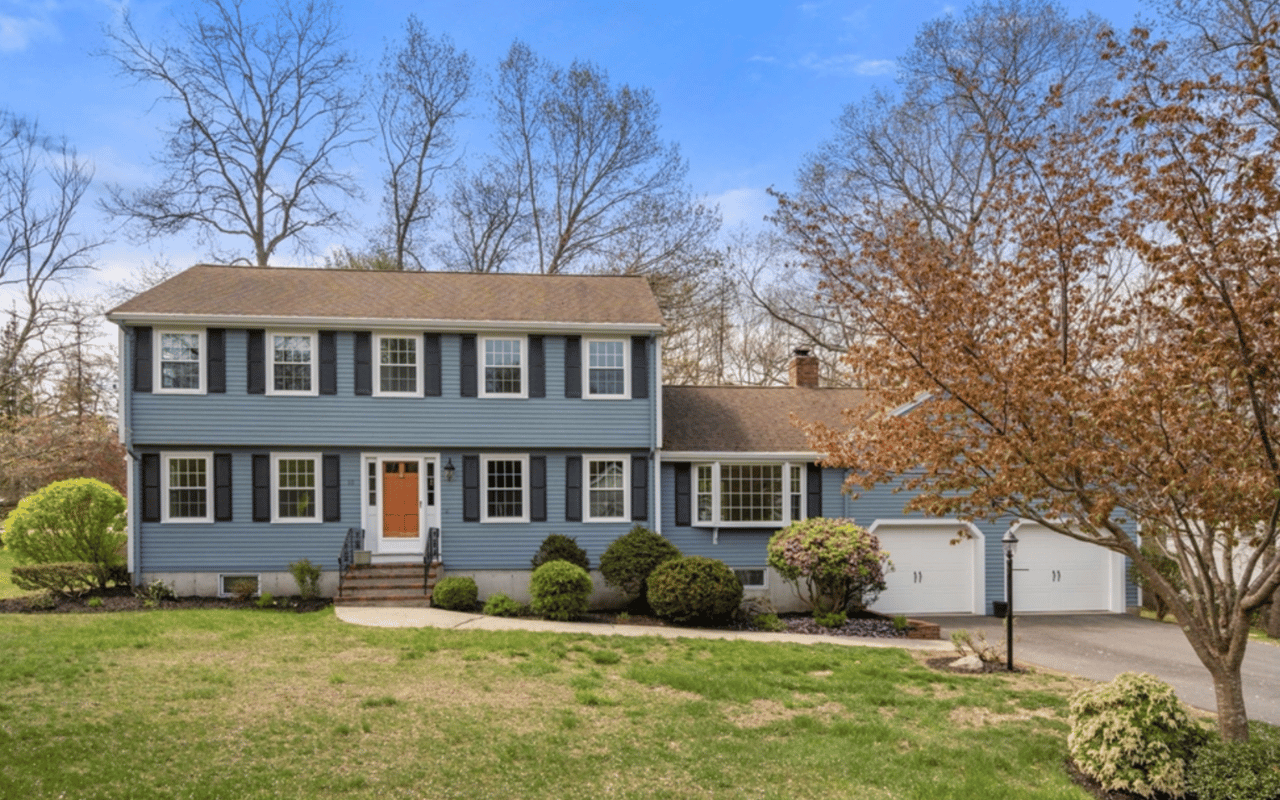
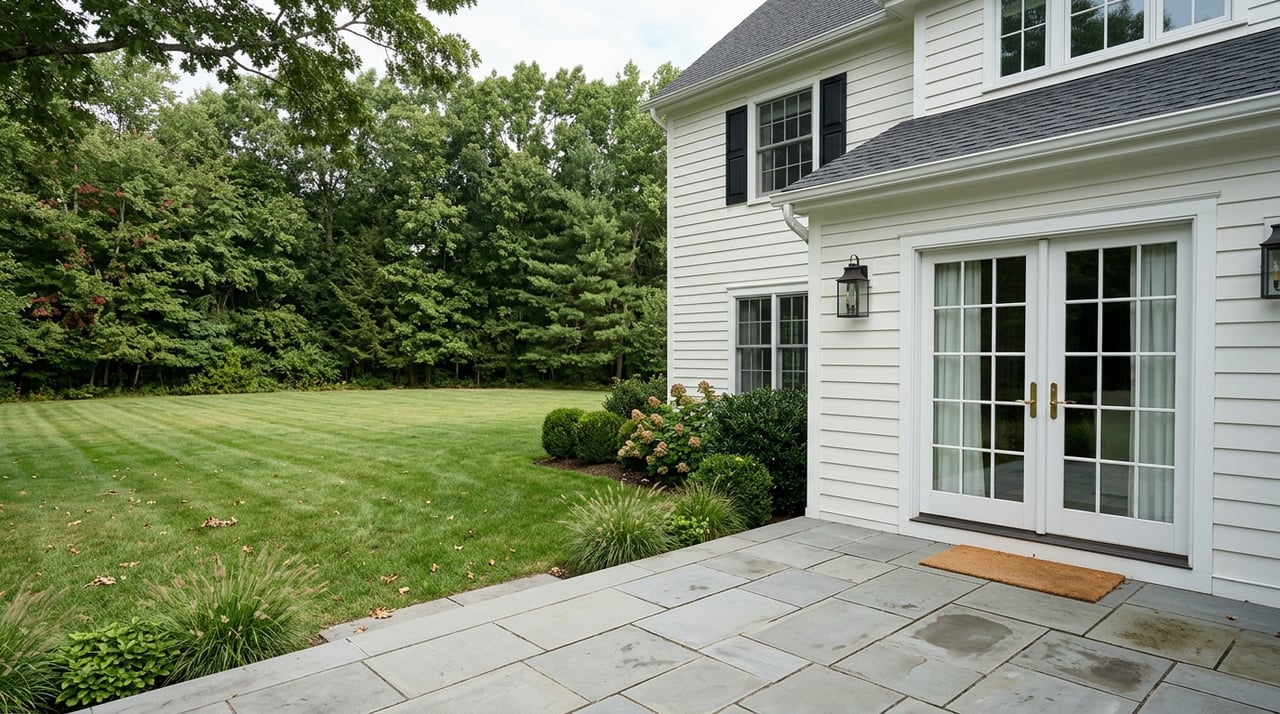
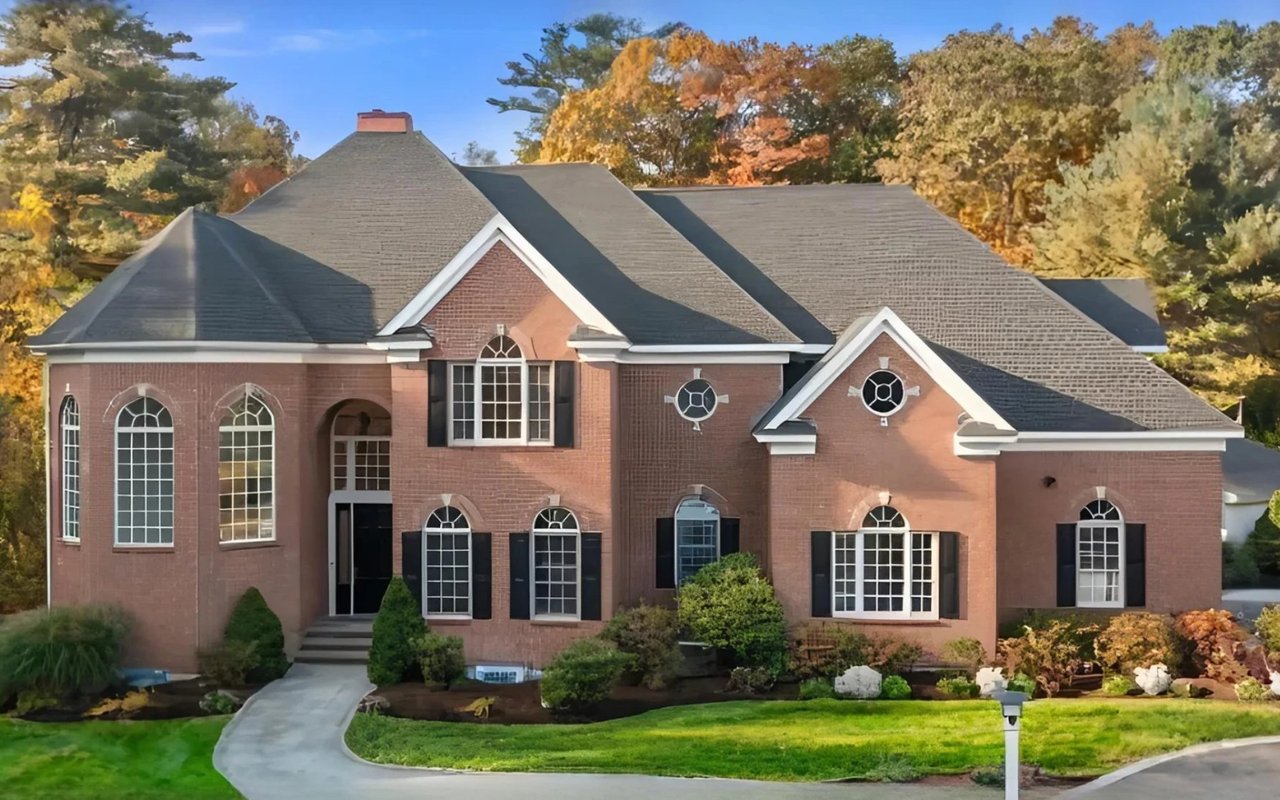
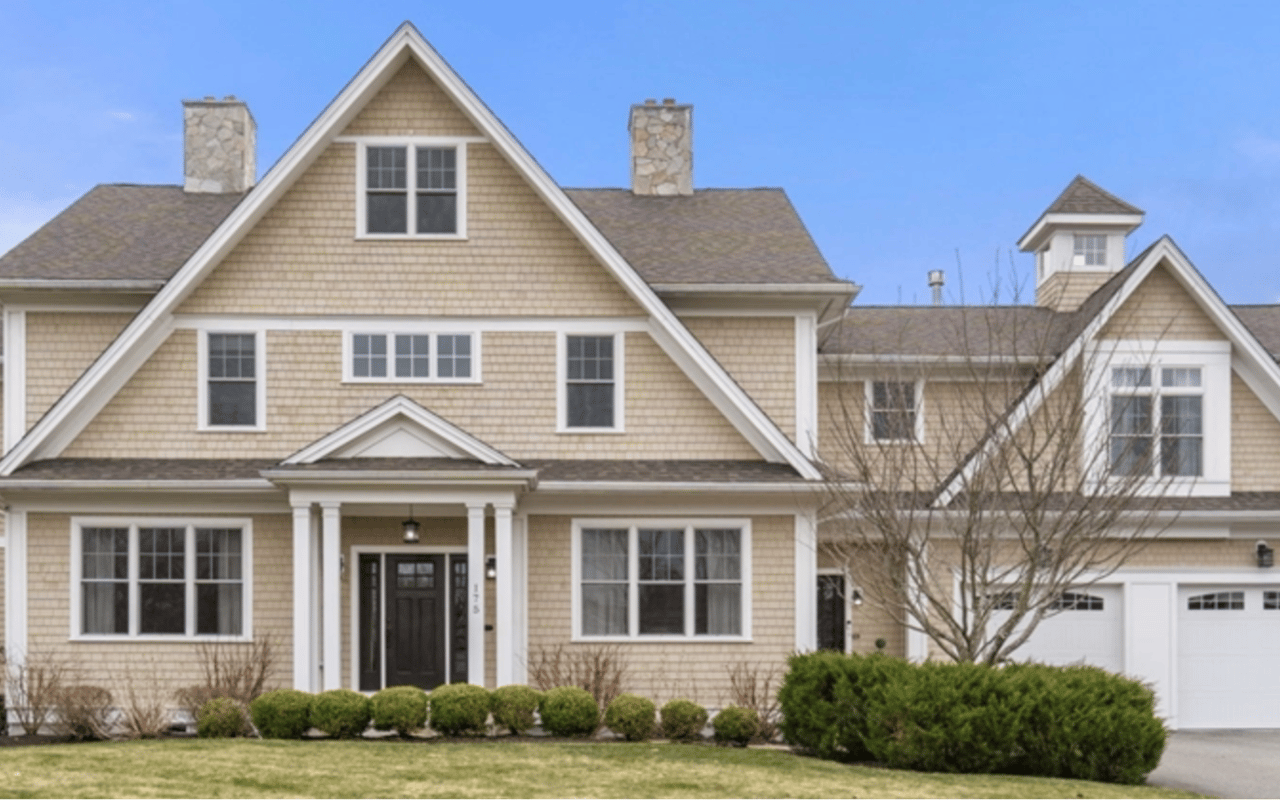
The town’s development pattern also supports the estate feel buyers often want. According to the master plan, many developed lots exceed zoning minimums, and recent growth has generally been low density. In real terms, that often means homes with more breathing room, deeper setbacks, and a stronger sense of privacy than you may find in a typical suburban neighborhood.
Architectural Character in Dover
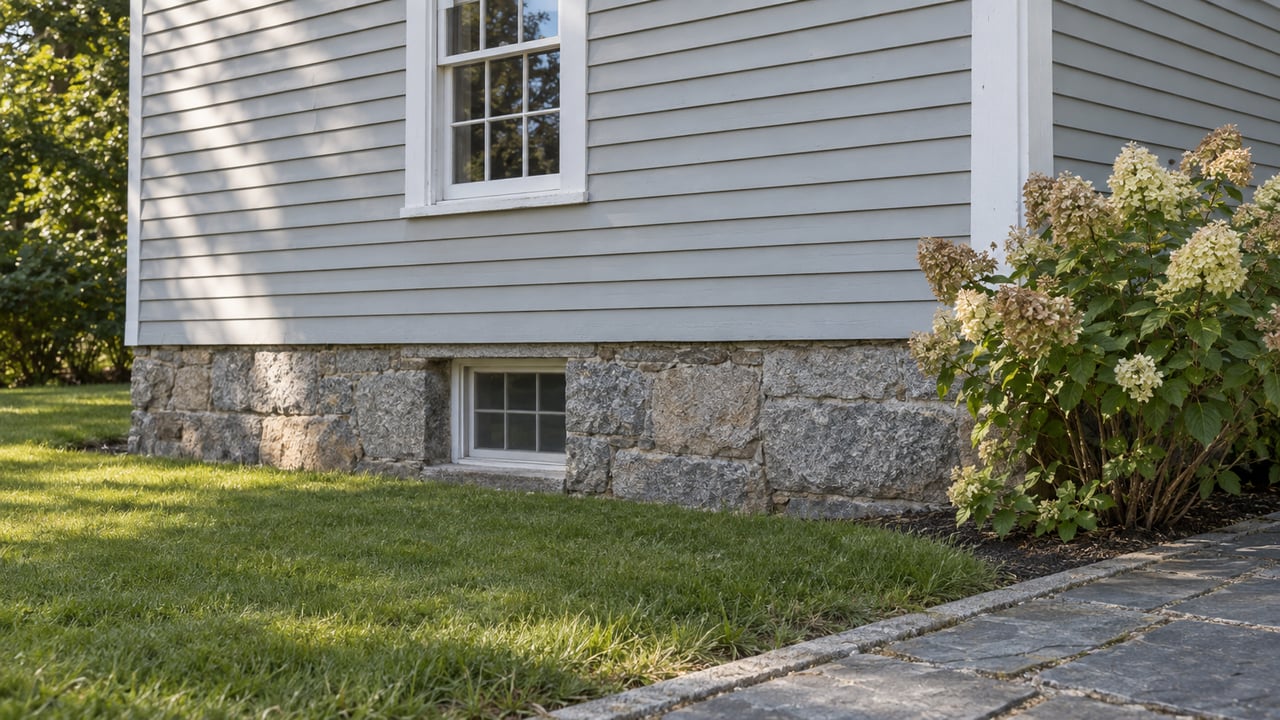
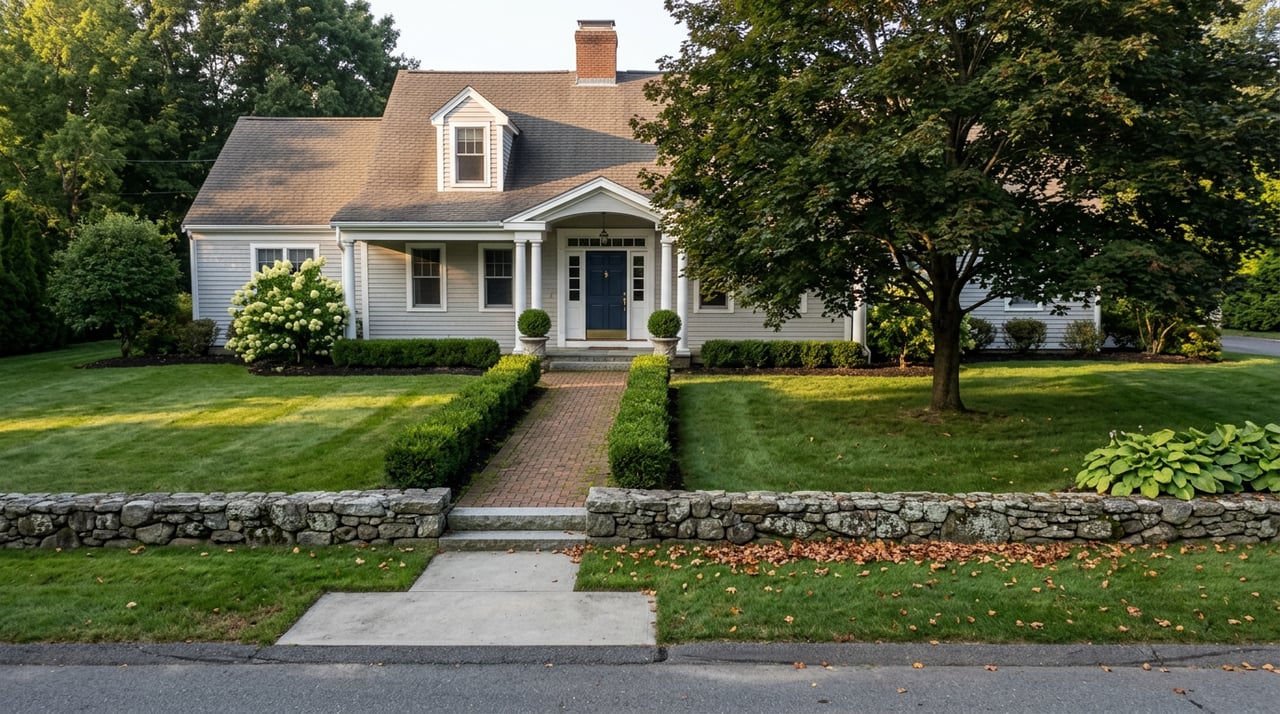
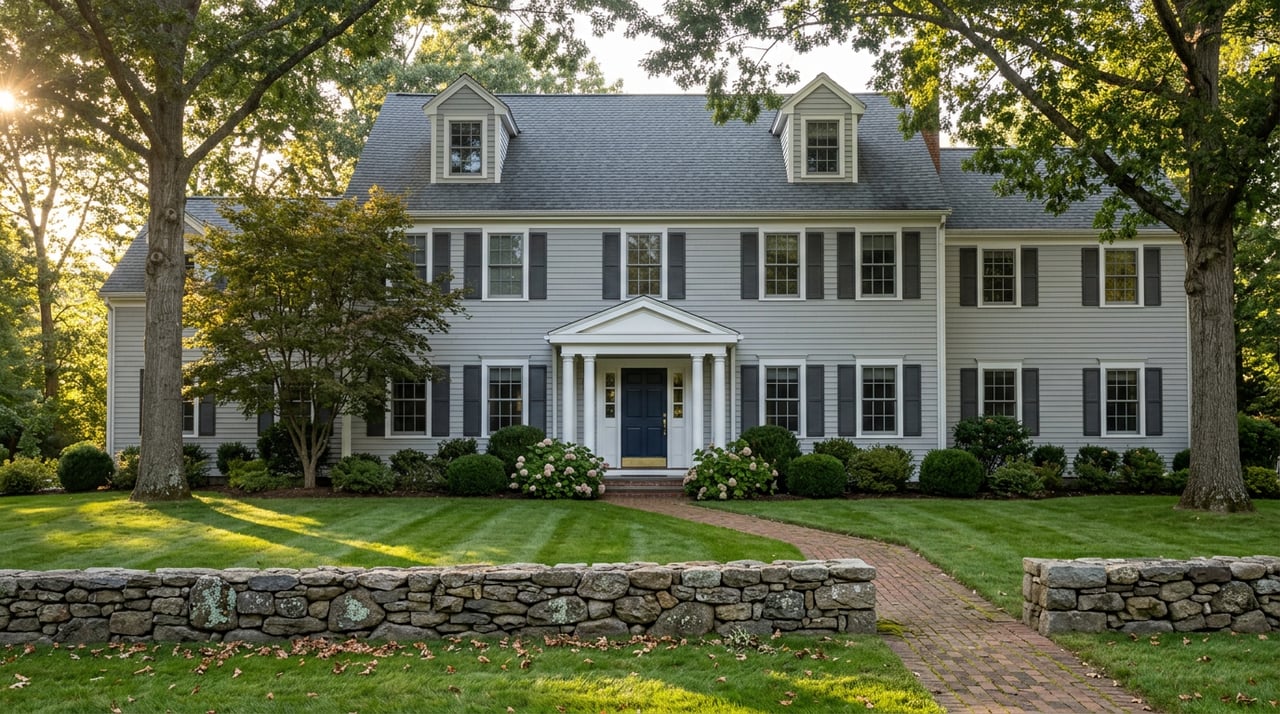
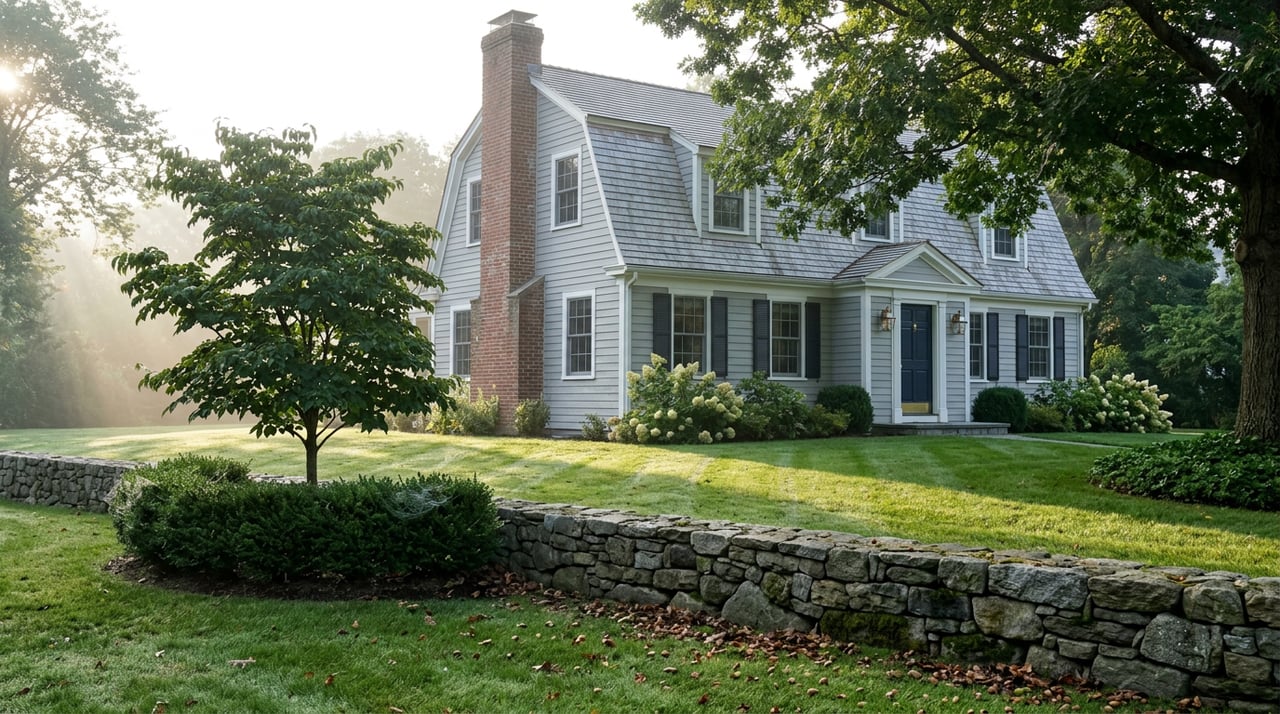
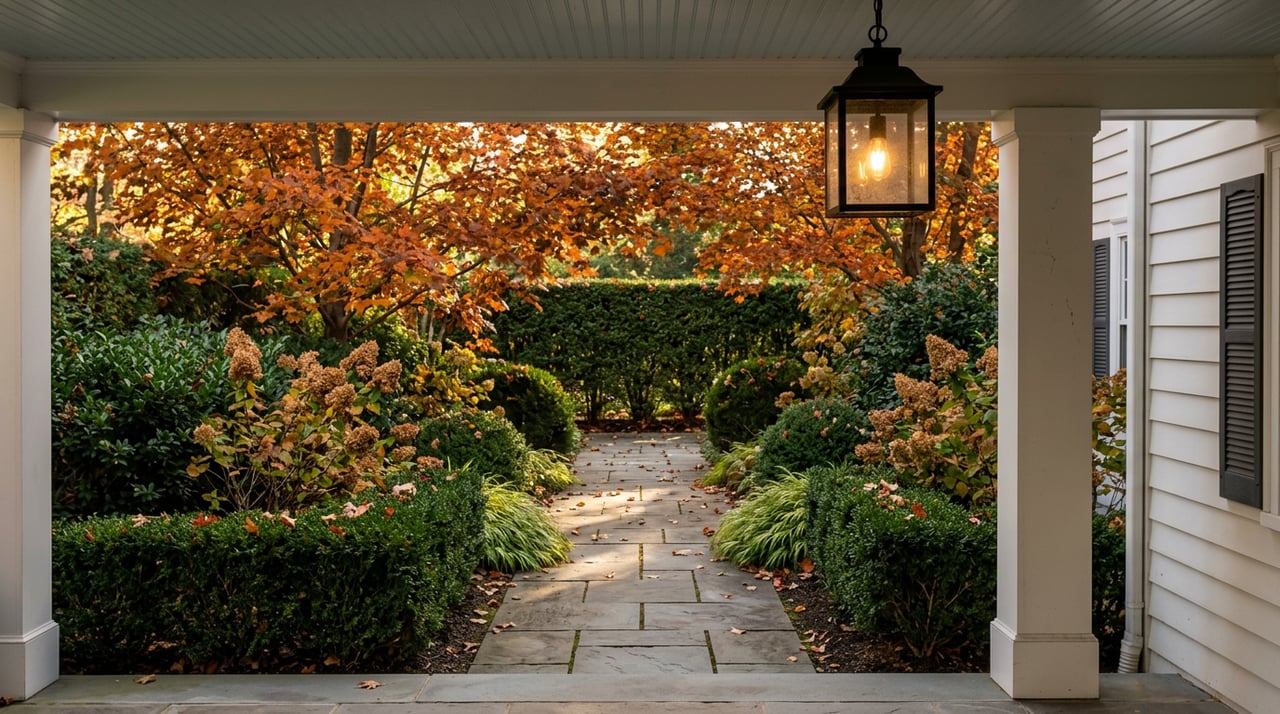
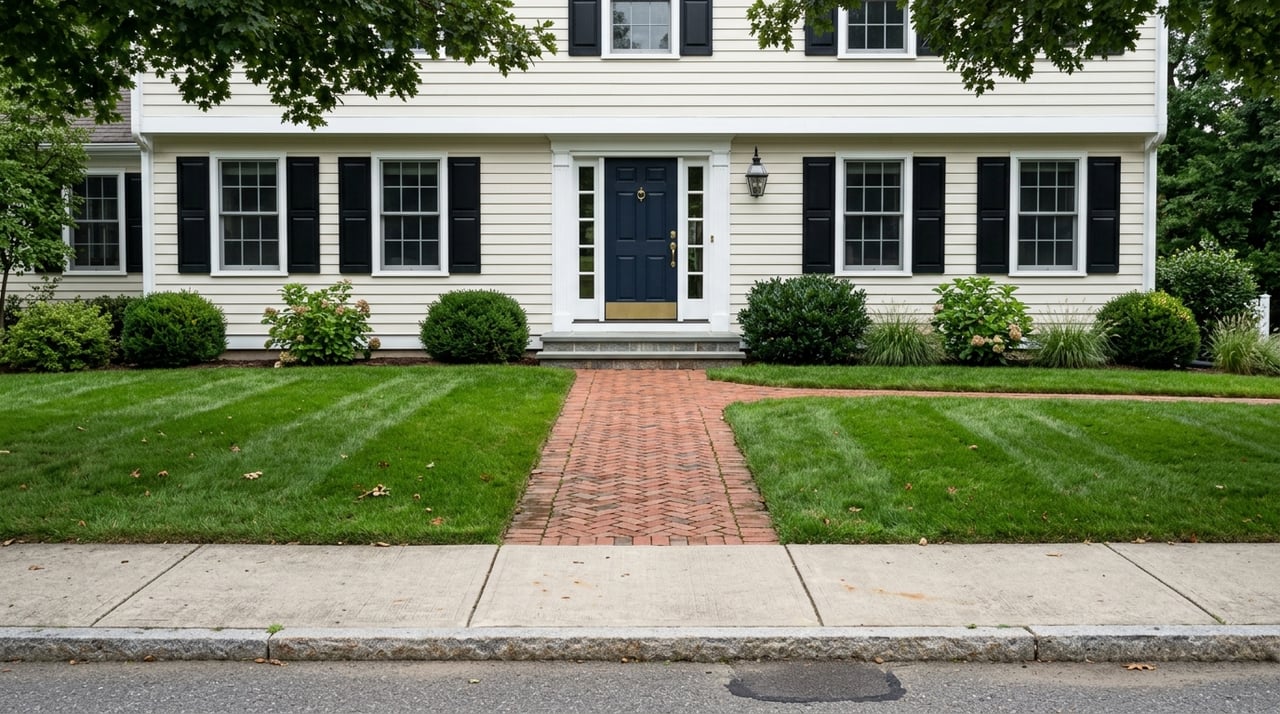
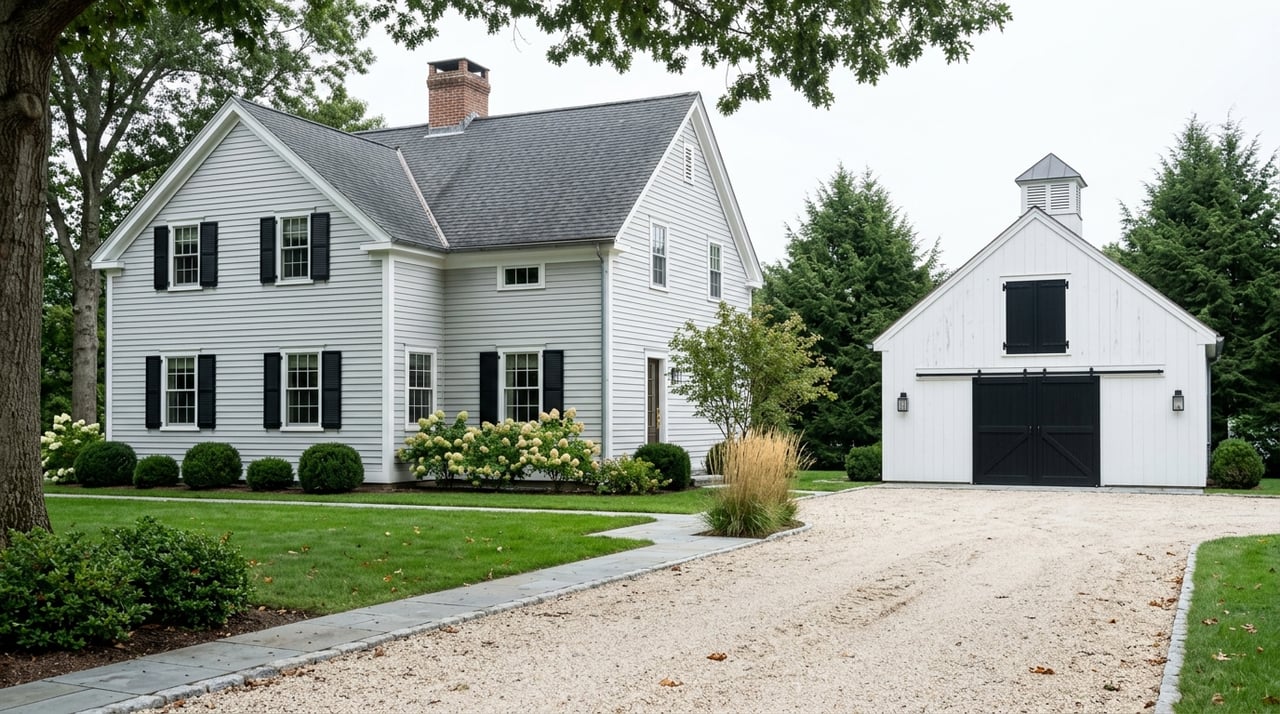
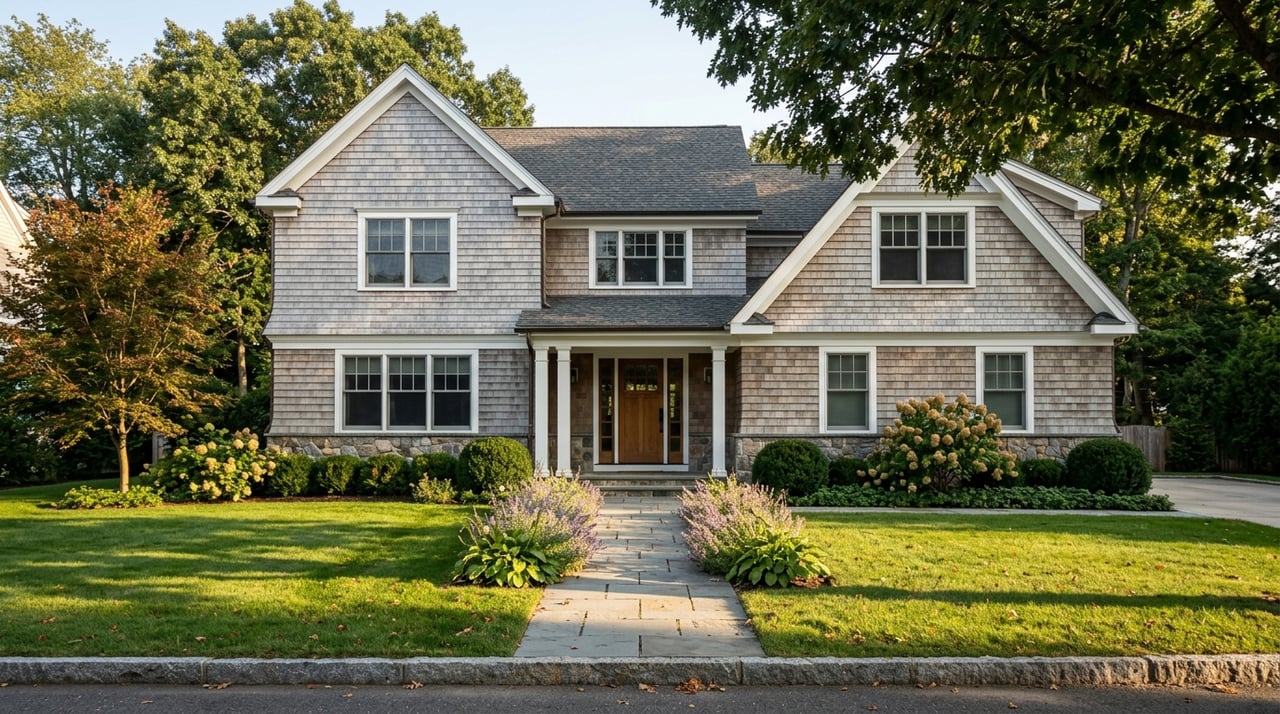
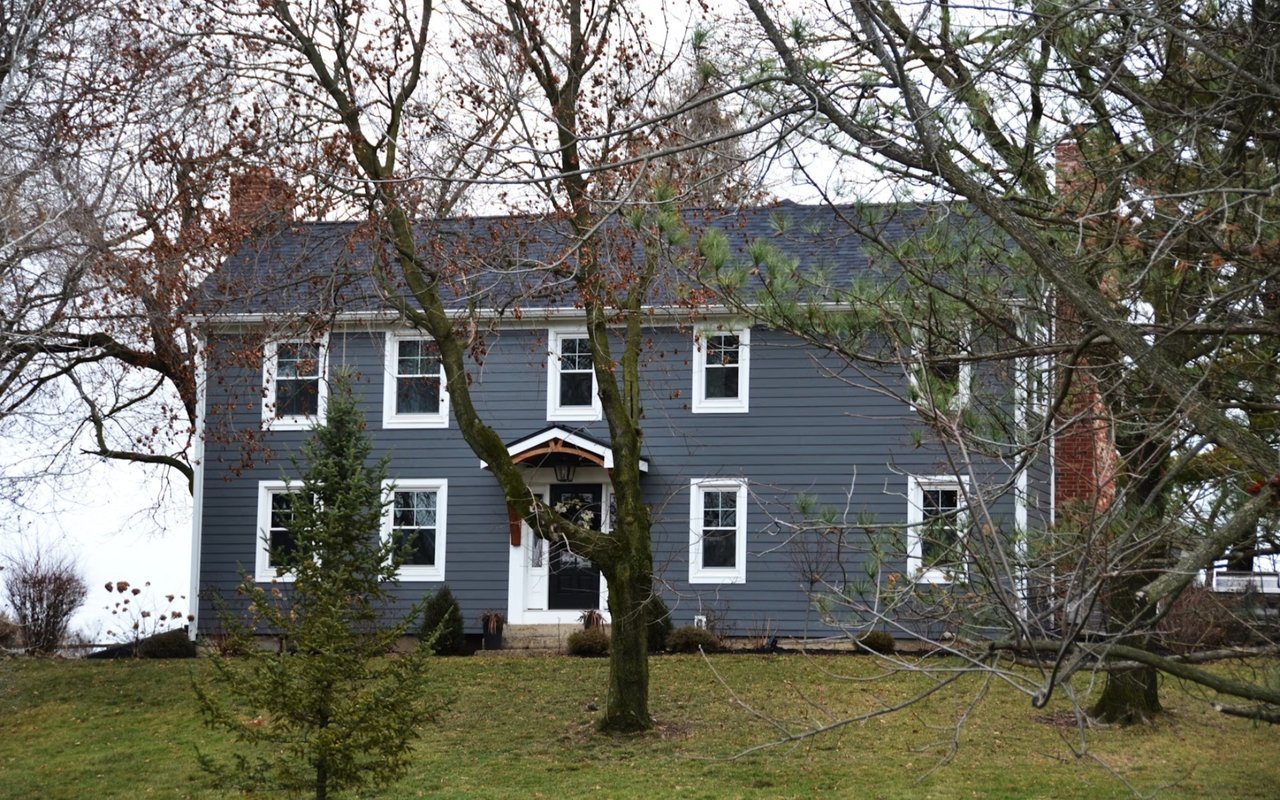
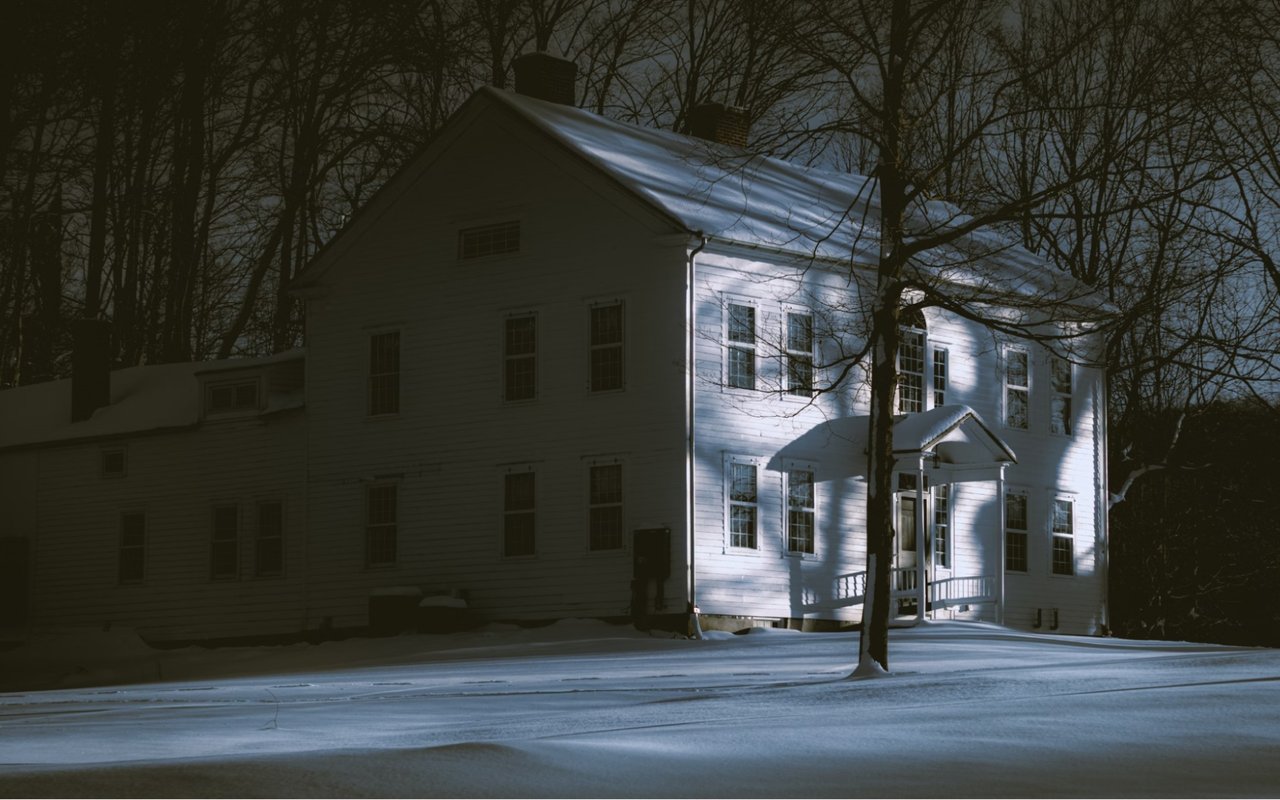
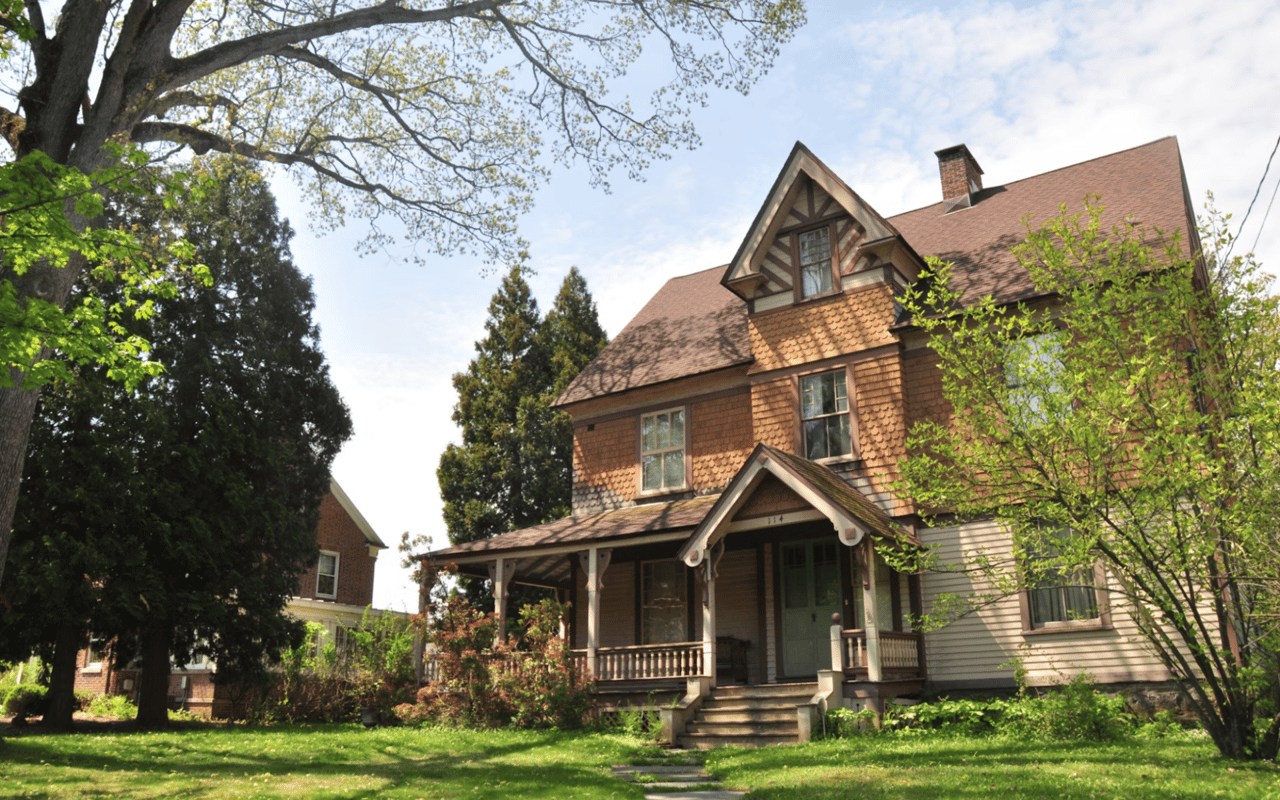
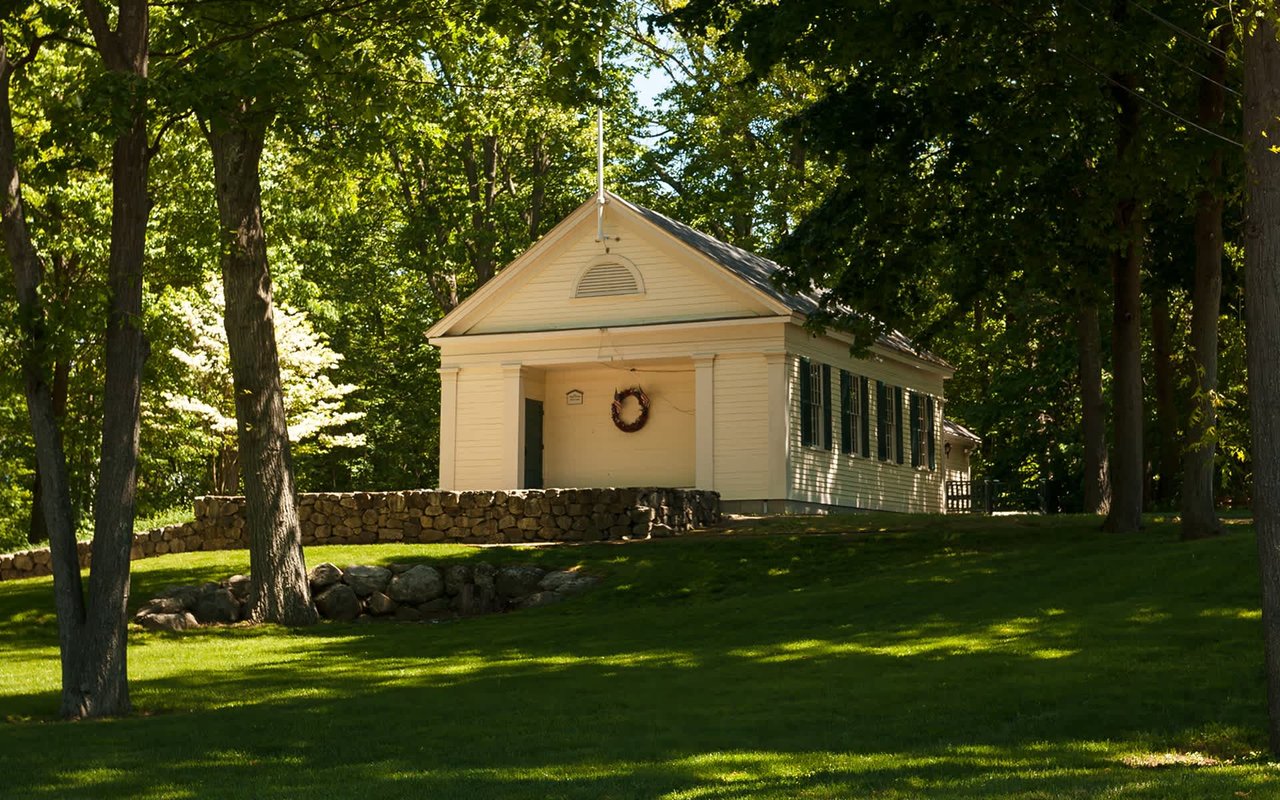
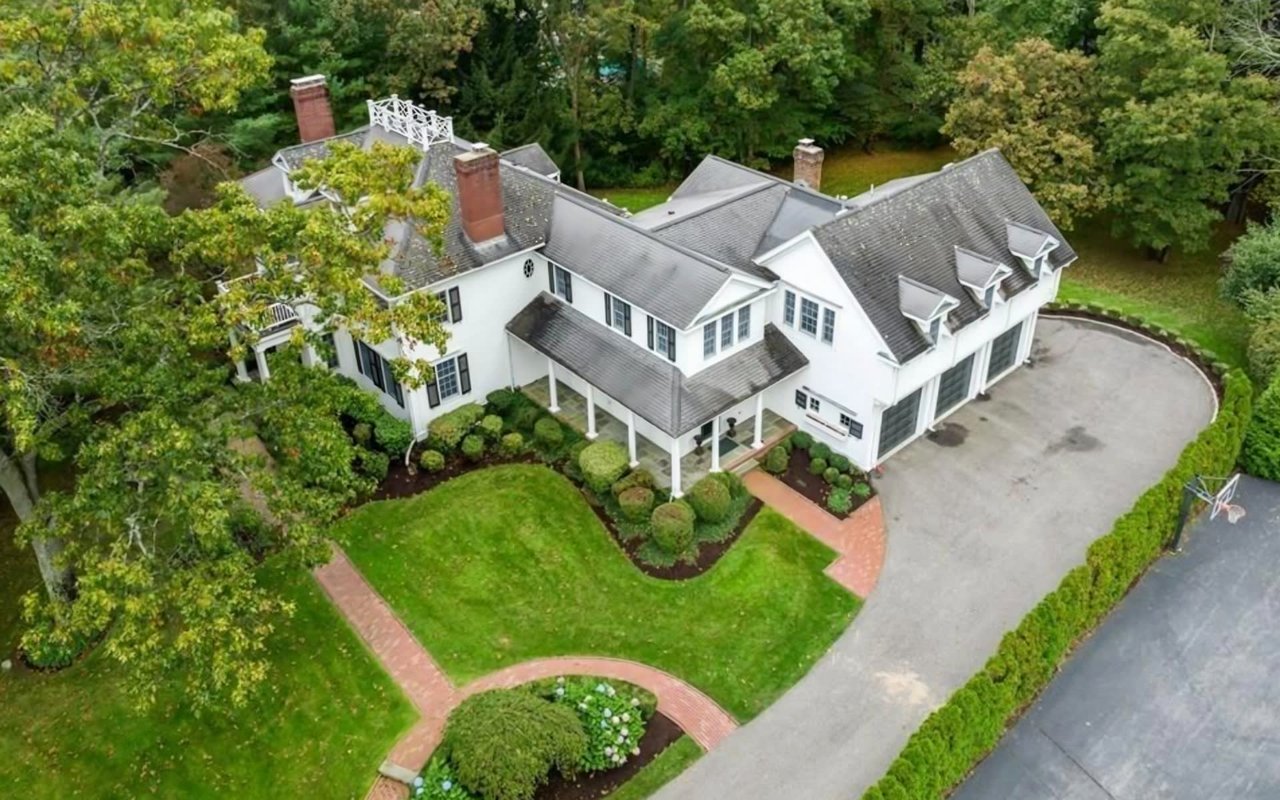
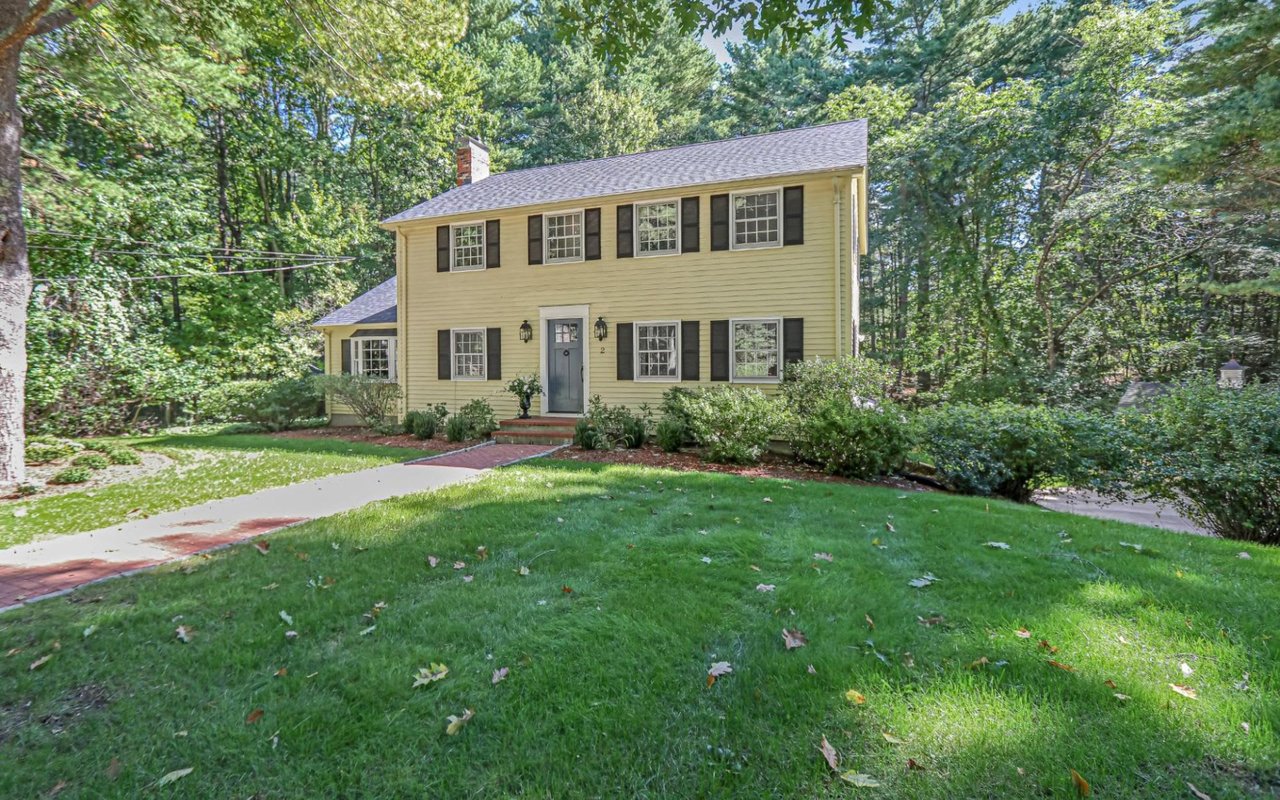
Dover’s estate appeal is tied closely to its historic landscape. The town describes its rural character through open pasture, stone walls, farmhouses, and barns, all of which still influence how the community looks and feels today.
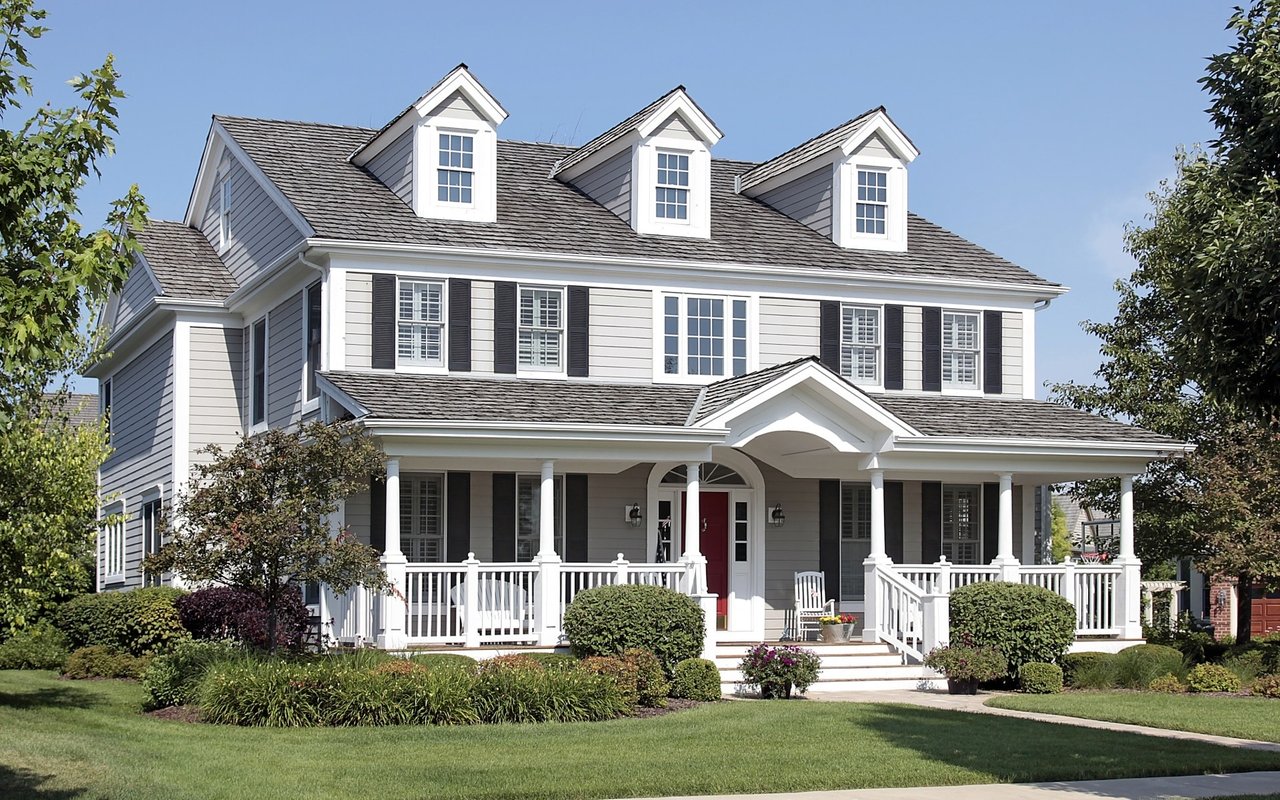
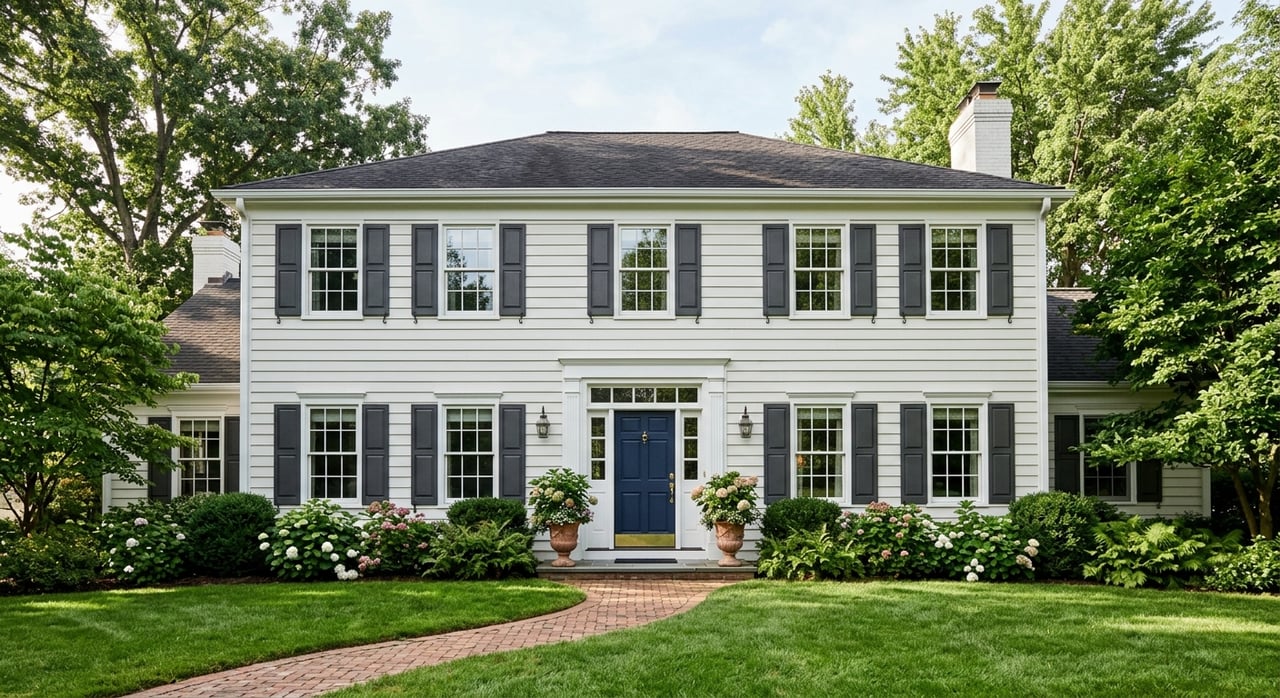
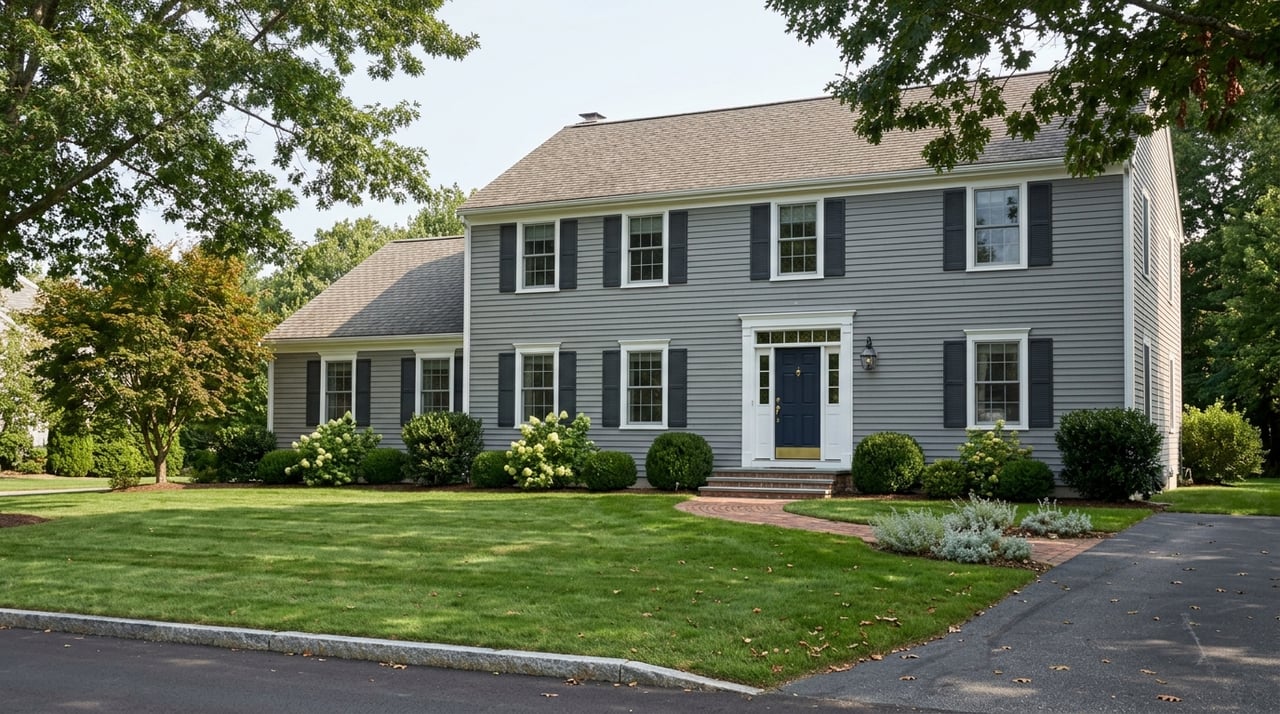
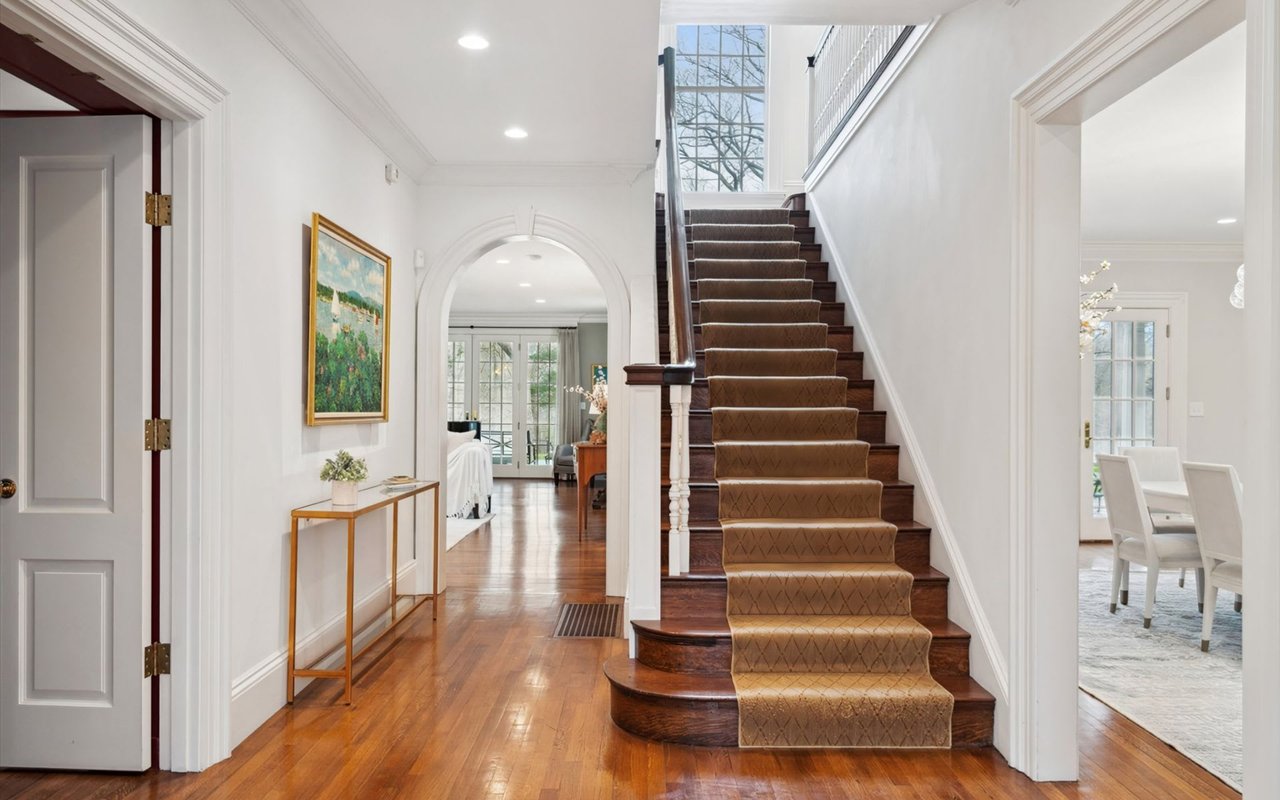
Historic properties in town include documented Georgian and Federal-style buildings, including the Benjamin Caryl House and the Sawin Museum. That does not mean every estate home follows one specific architectural style. Instead, Dover’s visual identity tends to come from the setting itself: larger parcels, preserved historic elements, mature trees, and homes that sit naturally within the land.
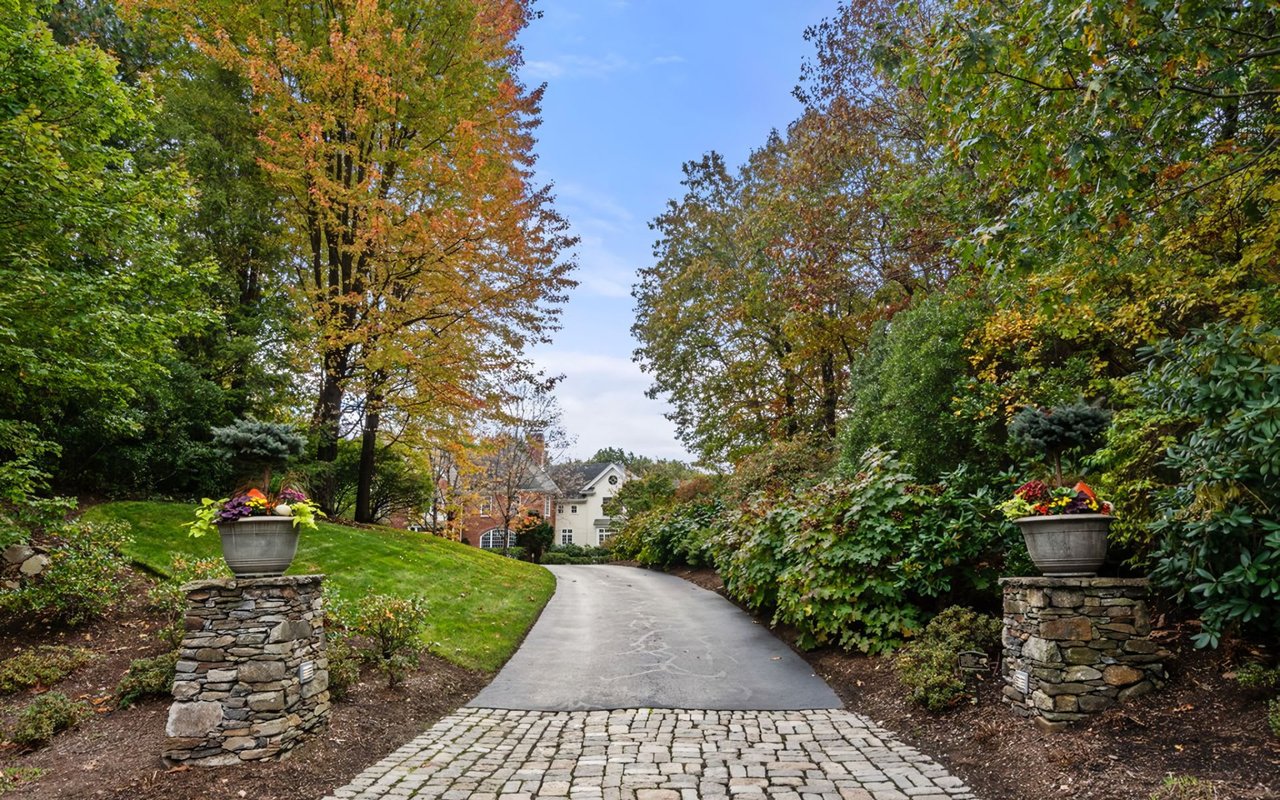
For you as a buyer or seller, this matters because curb appeal in Dover often goes beyond the house alone. Stone walls, barns, pasture views, and long driveways can be just as meaningful to market appeal as the architecture itself.
Equestrian Living Is Part of Daily Life
One of Dover’s biggest distinctions is that horseback riding is not a niche activity here. The town specifically identifies horseback riding at Noanet Woodlands, Hale Reservation, and Wylde Woods, and also points residents toward riding information through the Norfolk Hunt Club.
That tells you something important about Dover’s identity. In some towns, equestrian use feels separate from daily life. In Dover, it is built into the local recreation culture and the surrounding open-space network.
Noanet Woodlands
Noanet Woodlands is one of the area’s defining equestrian amenities. The property spans 607 acres and includes more than 16 miles of trails, bridle paths, and jumps, with direct connections to Hale Reservation and Powisset Farm.
If trail access is part of your home search, this kind of interconnected landscape can be a major advantage. It supports a lifestyle that is hard to replicate in many Boston-area suburbs.
Hale Reservation
Hale Reservation adds another layer to Dover’s outdoor appeal. Equestrians are welcome there, and the property offers about 20 miles of trails, with designated riding areas south of the East/West Fire Road and south of Powisset Street.
For buyers who want both open space and practical access to riding terrain, that kind of regional trail continuity matters. It creates more opportunity for regular use, not just occasional recreation.
Powisset Farm
Powisset Farm is another key part of Dover’s lifestyle appeal. This 109-acre working farm includes a CSA program, farm store, barnyard, and a loop trail that connects beyond the farmstead into Hale Reservation and Noanet Woodlands.
Even if you are not focused on horses, Powisset adds to the everyday experience of living in Dover. It reinforces the town’s farm-and-field setting and helps preserve the sense that the landscape is still actively used and cared for.
Open Space Beyond Riding
Dover’s outdoor lifestyle is not limited to equestrians. The town also highlights a wide network of walking and open-space destinations, including Chase Woodlands, Peters Reservation, Wylde Woods, Caryl Park, the Charles River Link Trail, and several river access points.
For many buyers, this broad trail network is part of the value proposition. You are not just buying a house. You are buying access to a setting where woods, fields, and quiet recreational spaces remain part of everyday life.
Some trailheads also have intentionally limited parking, such as the four-car limit at Chase Woodlands and the small parking area at Wylde Woods. That helps preserve the calm, local-use feel that many Dover buyers appreciate.
What Ownership Looks Like in Dover
Estate ownership in Dover often comes with different responsibilities than ownership in a fully serviced suburb. The town notes that nearly 70% of residential dwellings are served by private wells, while about one-third are served by Aquarion.
That means due diligence matters. The town’s FAQ explains that water testing is part of the Board of Health process, and perc tests are required for septic design. If you are purchasing an estate property, land parcel, or home with expansion plans, these details can affect both your timeline and your planning.
Septic maintenance is also part of normal ownership here. The town says septic systems should be pumped at least every two years on average. Buyers should understand that ongoing care for private systems is not unusual in Dover. It is simply part of how many properties function.
Water management is another consideration. Dover has adopted a Water Restriction Bylaw that applies to Aquarion, municipal water, and private wells. For larger properties with extensive landscaping, pasture, or outdoor amenities, that is worth factoring into how you think about long-term maintenance.
Scenic Roads Shape the Setting
One reason Dover feels so consistently rural is that the town actively protects its scenic roads. Work on designated scenic roads can trigger hearings, and tree removal along those roads may require Planning Board review, especially when stone walls are involved.
For homeowners, that preservation-minded approach can be a real benefit. It helps maintain the country-road character that draws buyers to Dover in the first place.
It also means that property changes may require more thoughtful planning. If you are buying a home on a scenic road, or preparing a property for sale, understanding those local rules can help you avoid surprises.
What Buyers Should Keep in Mind
If you are drawn to Dover for estate or equestrian living, it helps to look beyond the listing photos. The best purchase decisions here usually come from understanding both the visible appeal and the practical realities of ownership.
A smart review often includes:
- Lot size, shape, and zoning district
- Trail and open-space access nearby
- Water source and private well considerations
- Septic status and maintenance history
- Scenic-road constraints that may affect future changes
- The role of barns, stone walls, and land features in overall value
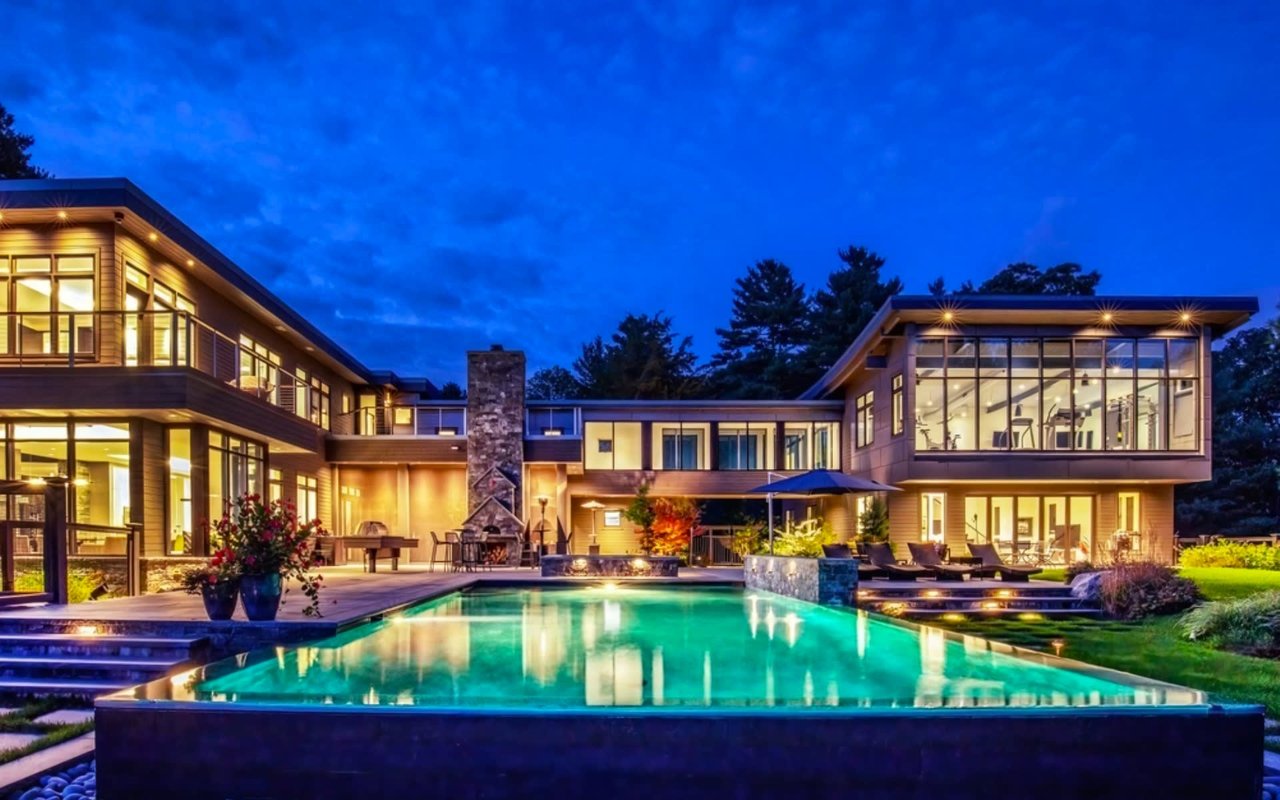
For luxury buyers, Dover offers a rare mix of Boston proximity, privacy, open space, and equestrian culture. But it is also a market where local knowledge matters. The details behind the land often shape value just as much as the home itself.
Why Dover Appeals to Luxury Buyers
Dover’s appeal comes from a combination that is increasingly hard to find. You get access to Boston, a low-density residential setting, large land parcels, horse-friendly recreation, and a preservation-minded town character.
That combination tends to resonate with buyers looking for more than a standard suburban move. If you want a property that feels grounded in land, nature, and long-term value, Dover has a distinct place in the Metrowest luxury market.
Whether you are buying an estate property, evaluating land, or preparing to sell a home with unique acreage and lifestyle features, strong local guidance can make a meaningful difference. If you are considering a move in Dover or the surrounding Metrowest area, Elena Price offers experienced, high-touch representation backed by deep local market knowledge and premium marketing reach.
FAQs
What makes Dover, MA different from other luxury suburbs near Boston?
- Dover combines proximity to Boston with protected open space, large residential lots, scenic roads, farm landscapes, and established equestrian amenities.
What should buyers know about lot size in Dover, MA?
- Buyers should know that Dover has half-acre, one-acre, and two-acre residential zones, but buildability also depends on lot shape and frontage because of the town’s perfect-square rule.
What equestrian amenities are available in Dover, MA?
- Dover offers horseback riding at Noanet Woodlands, Hale Reservation, and Wylde Woods, with major trail connections that support regular riding and outdoor recreation.
What is important to know about private wells and septic systems in Dover, MA?
- Many Dover homes rely on private wells and septic systems, so buyers should review water testing, perc requirements, septic condition, and ongoing maintenance expectations during due diligence.
Why do Dover, MA properties feel so private?
- Dover’s low-density development pattern, zoning structure, and large amount of protected open space often create a stronger sense of privacy and separation between homes.
How do scenic-road rules affect Dover, MA properties?
- Scenic-road rules can require hearings or review for certain work, especially tree removal and areas involving stone walls, so they may affect future property changes and planning.