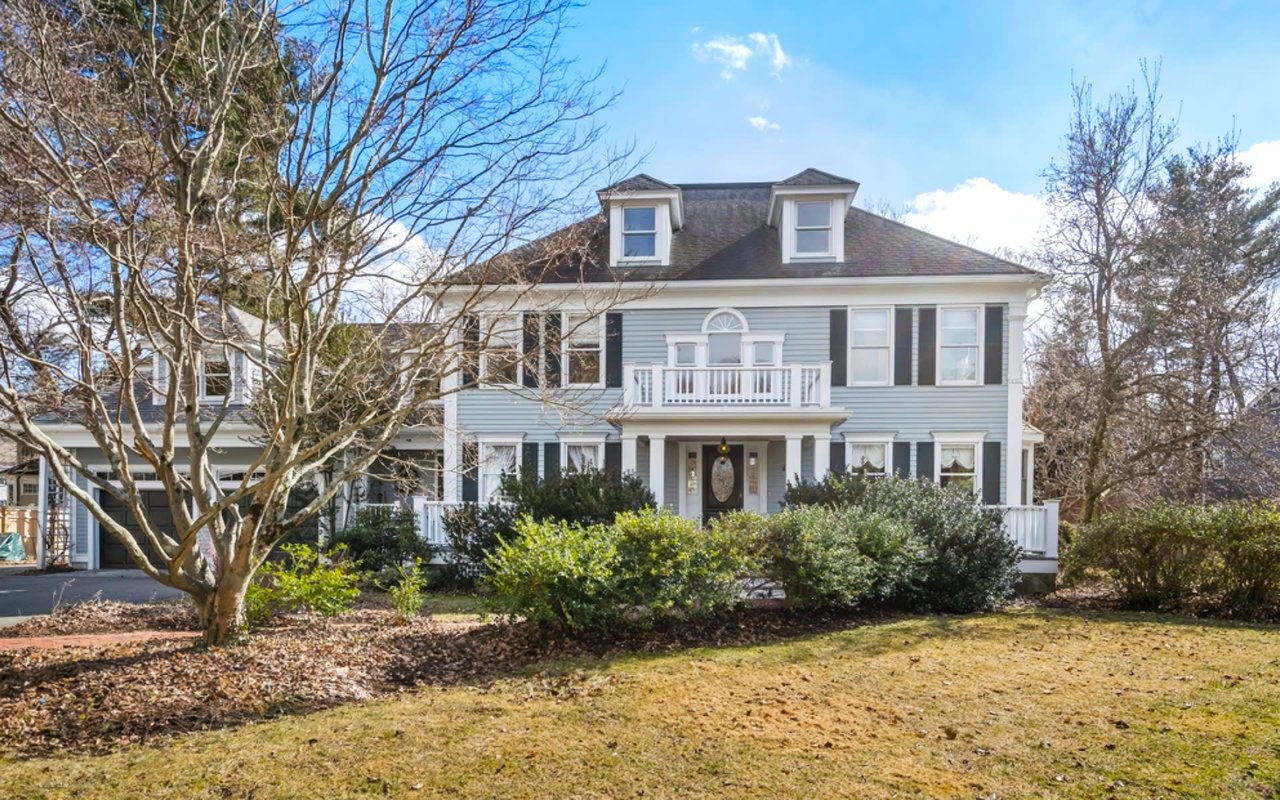
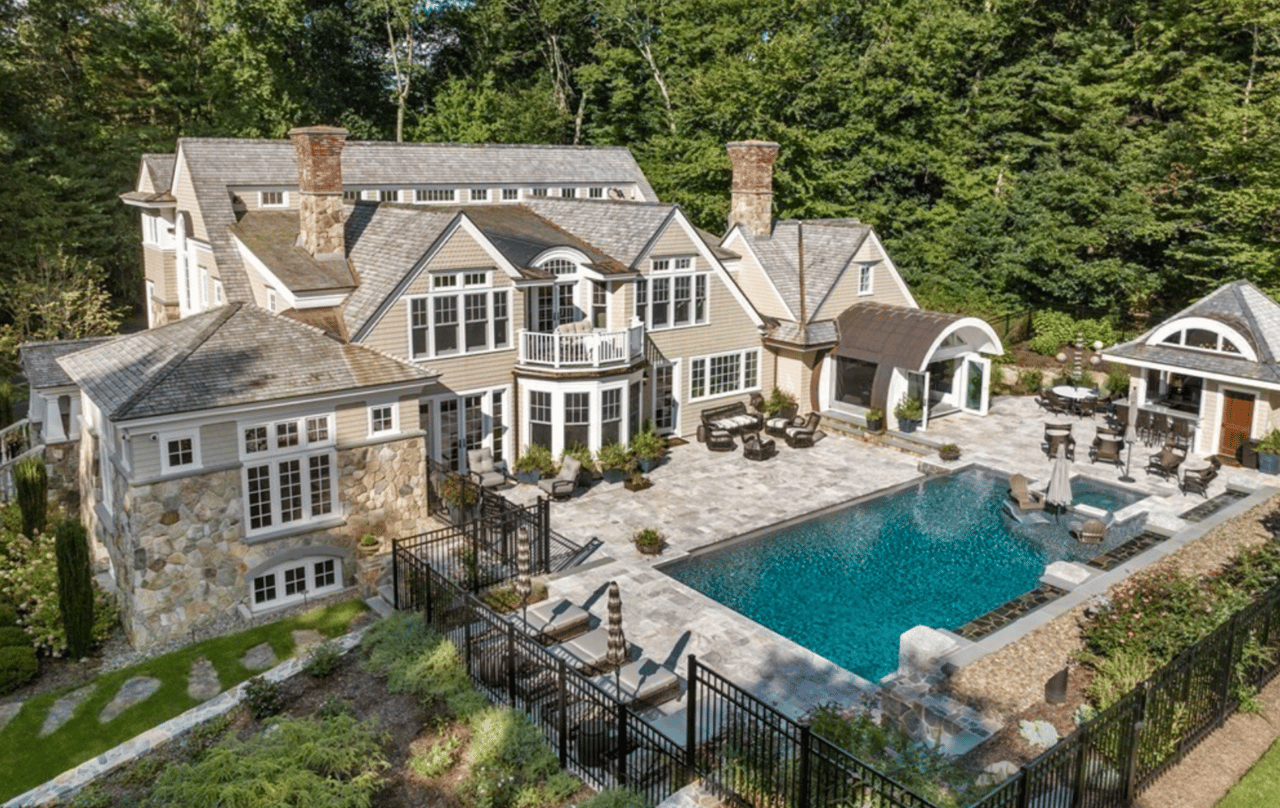
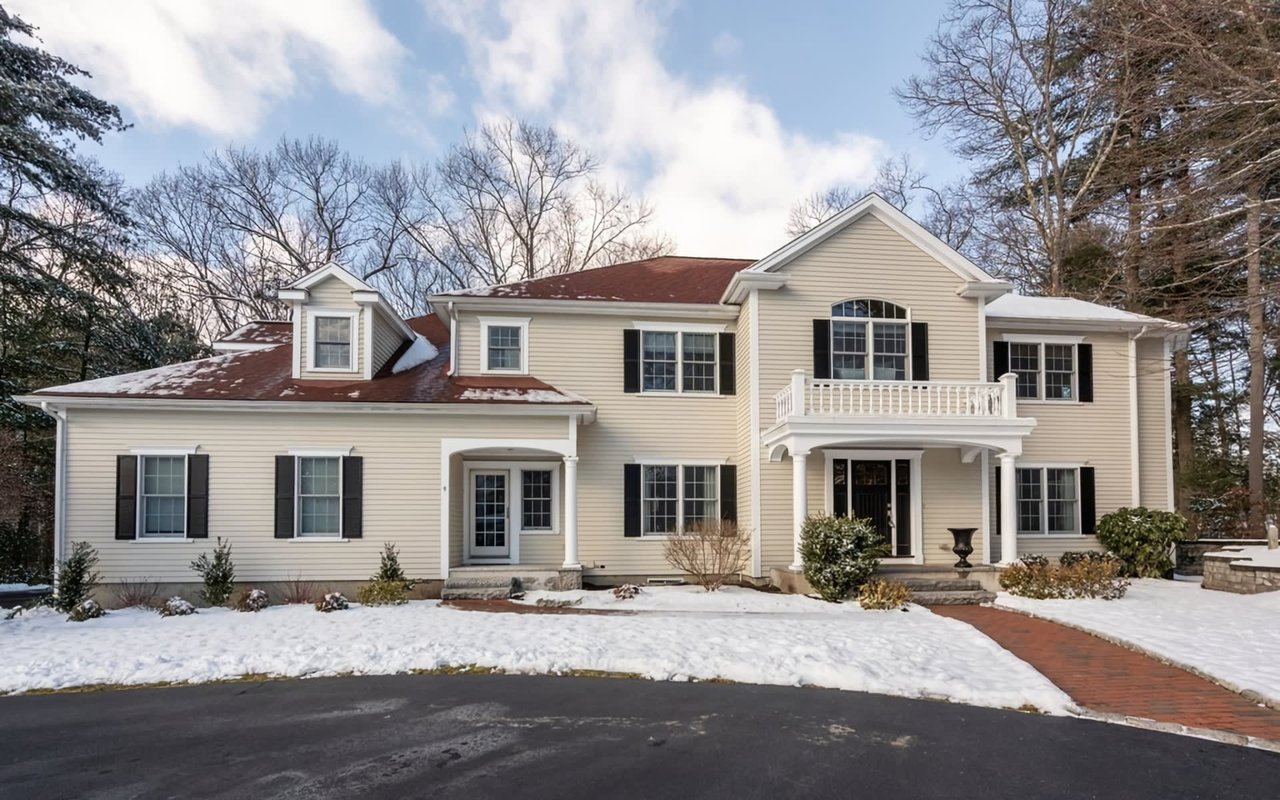
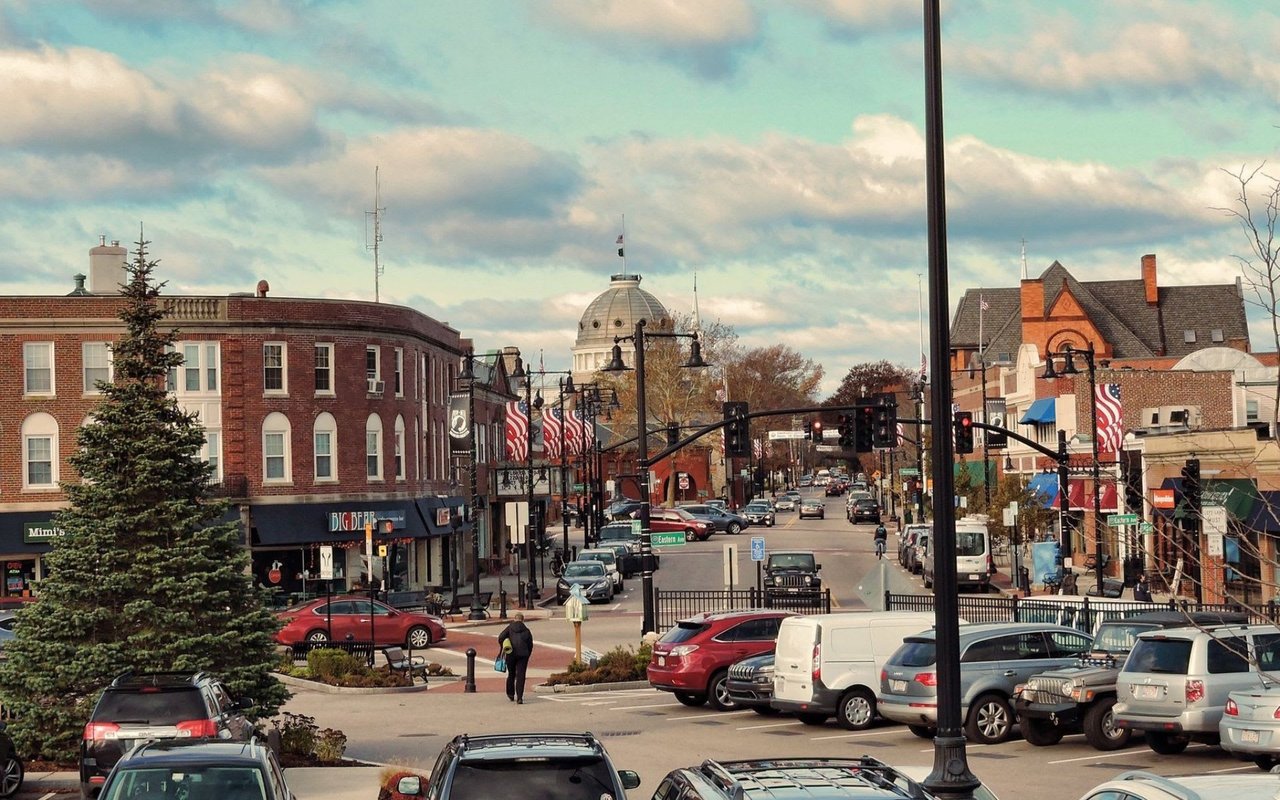
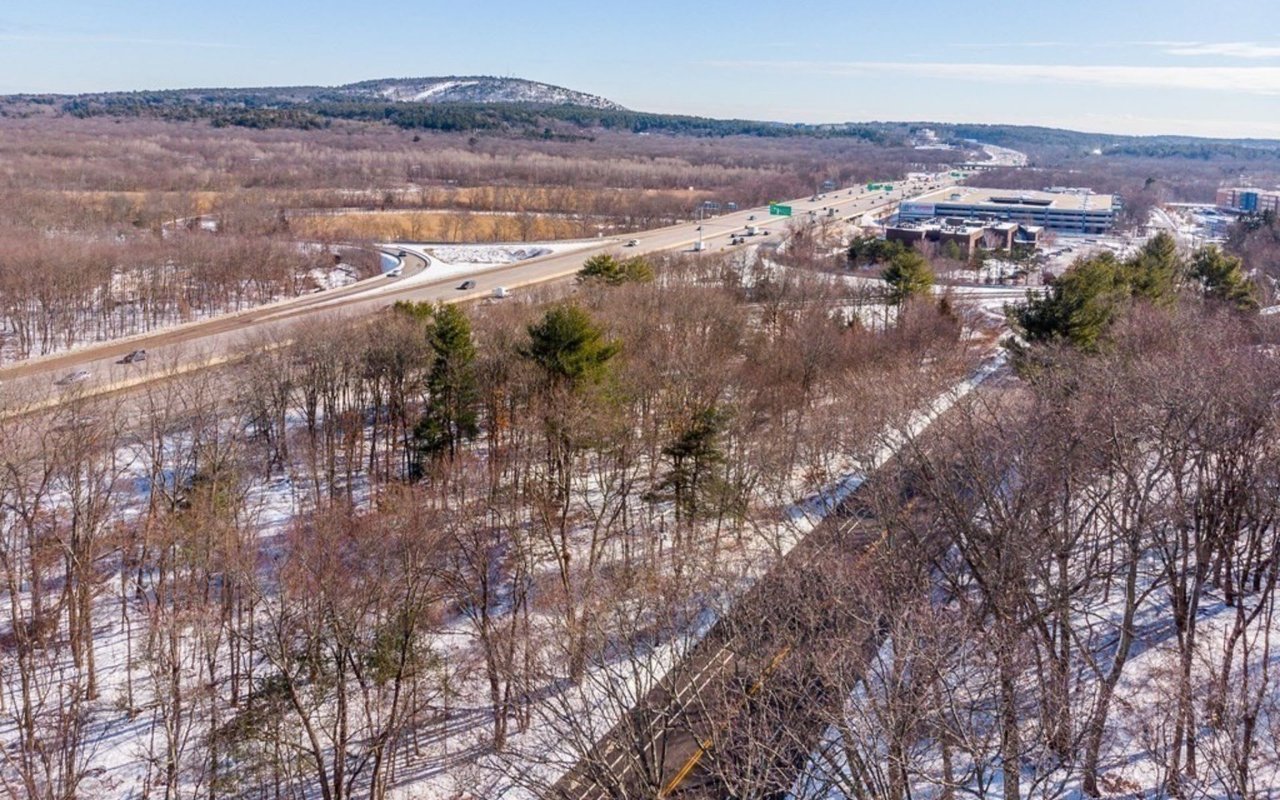
If you're touring homes near Hospital Road this year, you've seen the construction fencing, the scaffolding on the old brick dormitories, and the cranes that showed up after Bellforge broke ground on its arts center expansion on June 1, 2026. It's a fair question to ask your agent: is a 334-unit apartment project about to change what I pay for a house a half mile away?
The honest answer is that it will change almost nothing about the house you're bidding on this fall, and quite a lot about the town you'd be buying into for the next decade. Those are two different questions, and conflating them is the mistake worth avoiding.
What Trinity Financial is actually building
In June 2022, Medfield's Special Town Meeting voted to sell 45 acres of the former Medfield State Hospital campus, land the town had owned since buying the 128-acre property from the state in 2014, to Trinity Financial for $2 million. The plan calls for converting the historic brick buildings on that parcel into 334 apartments, with 25% of those units set aside as affordable housing.
Here's the detail that gets lost in most coverage: this isn't for-sale housing, and it can't be for years. Trinity is financing the historic renovation with federal and state historic tax credits, and those credits come with a condition.
For at least five years after construction is complete, every one of the 334 units has to remain a rental. That's not a town preference. It's a requirement of the tax credit program paying for the rehab. Only after that window closes could the developer choose to convert any units to homeownership, and nothing about the current agreement requires that it ever happen.
Trinity's own team has been candid about why they're comfortable filling 334 rental units in a town of roughly 6,000 residents. As one of Trinity's project leads put it in comments to a local outlet, Medfield "does not have a great amount of starter homes or apartments if someone wants to downsize." That's a real gap. It's just not the same market a buyer shopping for a single-family Colonial is competing in.
What actually shifts, and what doesn't
| Changes because of the project | Stays the same |
|---|---|
| Property tax base (45 acres on the rolls for the first time) | Single-family for-sale inventory |
| Traffic patterns at three Harding-corridor intersections | Zoning minimums for existing residential lots |
| Town's affordable-housing percentage under Chapter 40B | Comps for the house you're actually bidding on |
| School department mitigation funding | Days-on-market dynamics for single-family listings |
A rental complex, even a large one, doesn't enter the comparable-sales pool that determines what your appraisal comes back at, and it doesn't add a single competing listing to the inventory you're searching against. If you're wondering whether this project will ease the bidding pressure on the next three-bedroom Cape that hits the market, the answer built into the deal itself is no.
The money mechanics worth understanding
Where the project does matter is in what it does to Medfield's finances, and those numbers are worth knowing if you're evaluating the town's long-term trajectory rather than just this month's listings.
The land Trinity is developing has never generated a dollar of property tax revenue, because it belonged to the state and then the town. Once construction wraps, that changes. A 2021 fiscal impact analysis commissioned during the approval process estimated the completed apartment community could generate roughly $1,041,180 a year in gross property tax revenue, using the town's 2021 tax rate. Town officials have more often cited a net figure closer to $700,000 to $716,000 a year, after accounting for the added cost of services like schools and public safety. Either way, this is new revenue on land that currently contributes nothing.
Two other commitments are worth flagging because they're the kind of specifics that don't show up on a listing sheet. Trinity has agreed to pay $1 million toward school mitigation, and separately to fund improvements to three intersections along the Harding corridor: Harding and Hospital, Harding and West, and Harding and North. Those are the roads that carry traffic between the site and the rest of town, and they're being paid for by the developer rather than by a town override.
The project also arrived with close to $4.5 million in state infrastructure grants for roads, a sewer extension, and traffic remediation, plus another $500,000 specifically to investigate hazardous materials in the old buildings before any renovation work could begin. None of that touches your closing costs. All of it affects whether the town's budget has room to breathe over the next several years without asking homeowners to cover the gap through a Proposition 2½ override.
The lever that actually protects your price point
Here's the part that most buyers researching Medfield never get to, because it requires connecting the housing project to state zoning law rather than to the local market.
Massachusetts Chapter 40B allows developers to bypass certain local zoning restrictions in any town where less than 10% of the housing stock counts as affordable under the state's formula. It's the mechanism that lets a developer propose a dense project on a lot that local zoning would never otherwise allow, specifically to push affordable housing production in towns that haven't hit that 10% mark.
With 25% of the 334 new units, roughly 85 apartments, counted as affordable, the Massachusetts Municipal Association has reported that this project is expected to push Medfield over that Chapter 40B threshold for the first time. That is the real mechanism worth understanding if you're comparing Medfield to a town like Dover or Westwood while deciding where to buy.
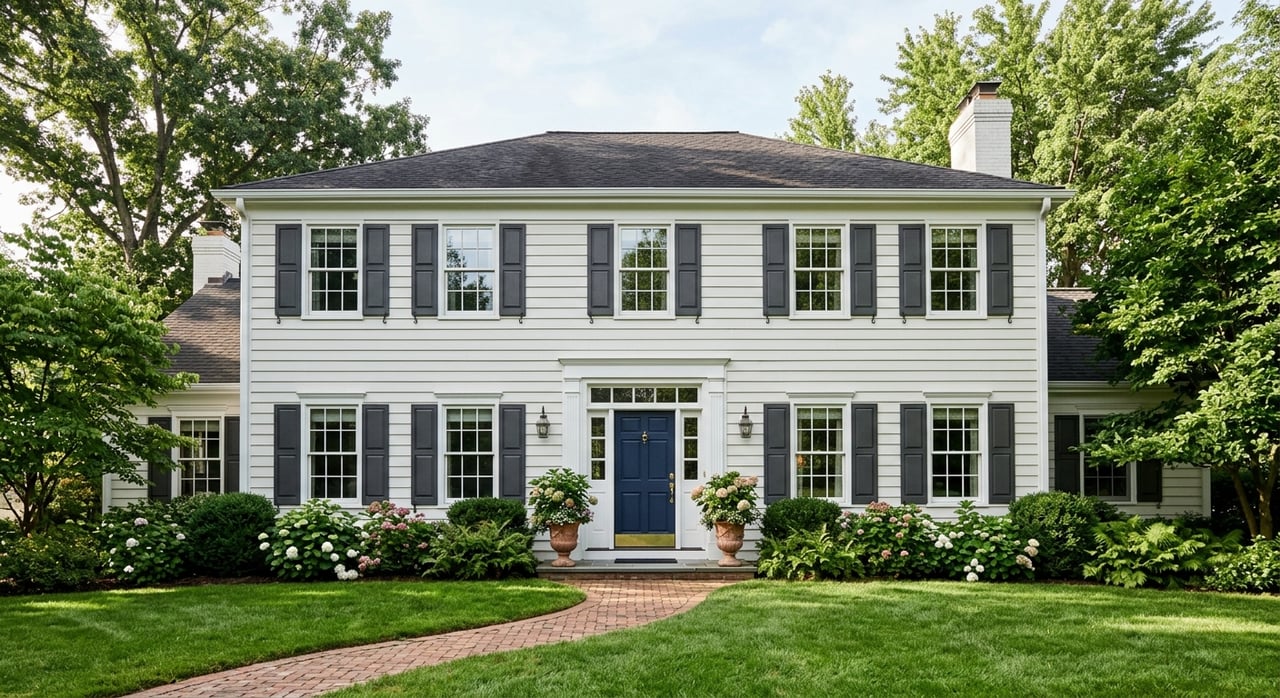
Crossing the 10% threshold doesn't add units to your competition. It gives Medfield more standing to say no to future 40B applications elsewhere in town, the kind of projects that can otherwise override single-family zoning on a parcel a developer identifies as underused. In other words, the project that looks on the surface like it's diluting a low-density town's character is the same project giving that town more leverage to keep everything outside the old hospital campus exactly as low-density as it is today. If you're buying into Medfield partly for the acre-and-a-half lots and the quiet streets, this is the mechanism working in your favor, not against it.
What the actual market is telling you right now
Here's where it gets genuinely useful for anyone shopping in Medfield this year, and where the confusion between "supply" and "the redevelopment" matters most.
Market trackers watching Medfield in the spring and summer of 2026 don't agree with each other, and that disagreement is itself informative. One tracker showed the median sale price over the three months ending in May 2026 essentially flat compared to the year before, while another showed a several-point year-over-year decline over almost the same window, and a third showed prices up nearly 6% over the past year. Depending on which source you check across July and August 2026, the median list price lands anywhere from roughly $1.09 million to $1.18 million.
This isn't sloppy data. It's what happens in a town where only a few dozen homes close in any given month. With that few transactions, which two or three houses happen to sell first can swing a rolling median by tens of thousands of dollars, and one tracker's three-week average time on market and another's ten-week figure can both be technically accurate if they're measuring different points in the transaction cycle.
What every tracker agrees on is scarcity. Supply estimates through the spring and summer of 2026 ran from under one month to about two months across different sources, which by any measure is a seller's market. Homes have been going pending in under three weeks on average, with the most competitive listings selling around 8% above list price in as few as 15 days. That's the actual constraint shaping what you'll pay for a house in Medfield right now, and it's a constraint the 334 apartments on Hospital Road were never going to touch, because they were never part of the same market.
If you're evaluating a house near the site
For a buyer looking at a property within walking distance of the redevelopment, the practical questions worth asking your agent aren't about price competition. They're about construction timeline, whether the specific street you're considering sits along one of the three intersections being upgraded, and how far along the infrastructure work is relative to when you'd actually be living there. Those are knowable, local details, and they're the ones that affect your day-to-day experience of owning the house, not the price you paid for it.
FAQ
Could the apartments eventually be sold as condos? Only after the historic tax credit's minimum rental period ends, and only if the developer chooses to pursue conversion at that point. Nothing in the current agreement requires it, and nothing prevents the units from remaining rentals indefinitely.
Does this affect capacity at Medfield's schools? Trinity has committed $1 million in school mitigation funding as part of the approval, which was structured specifically to offset the anticipated cost of any additional students the development brings.
When will the site actually be finished? The arts center portion of the campus began visible construction with a groundbreaking on June 1, 2026. The residential buildings involve extensive historic rehabilitation of buildings that required hazardous materials remediation, which is the kind of work that tends to run on a longer and less predictable timeline than new construction.
Medfield's price floor was never going to come from an apartment complex a mile from the town common. It comes from the same low-density zoning, the same tight inventory, and now a stronger hand against future overrides that this project happens to hand the town. If you're trying to figure out what that's actually worth for the specific street or the specific house you're considering, that's a conversation worth having before you write an offer. Elena Price has spent decades tracking exactly this kind of local mechanic across Medfield and the surrounding Metrowest towns, and the fastest way to start that conversation is to request your Instant Home Valuation.