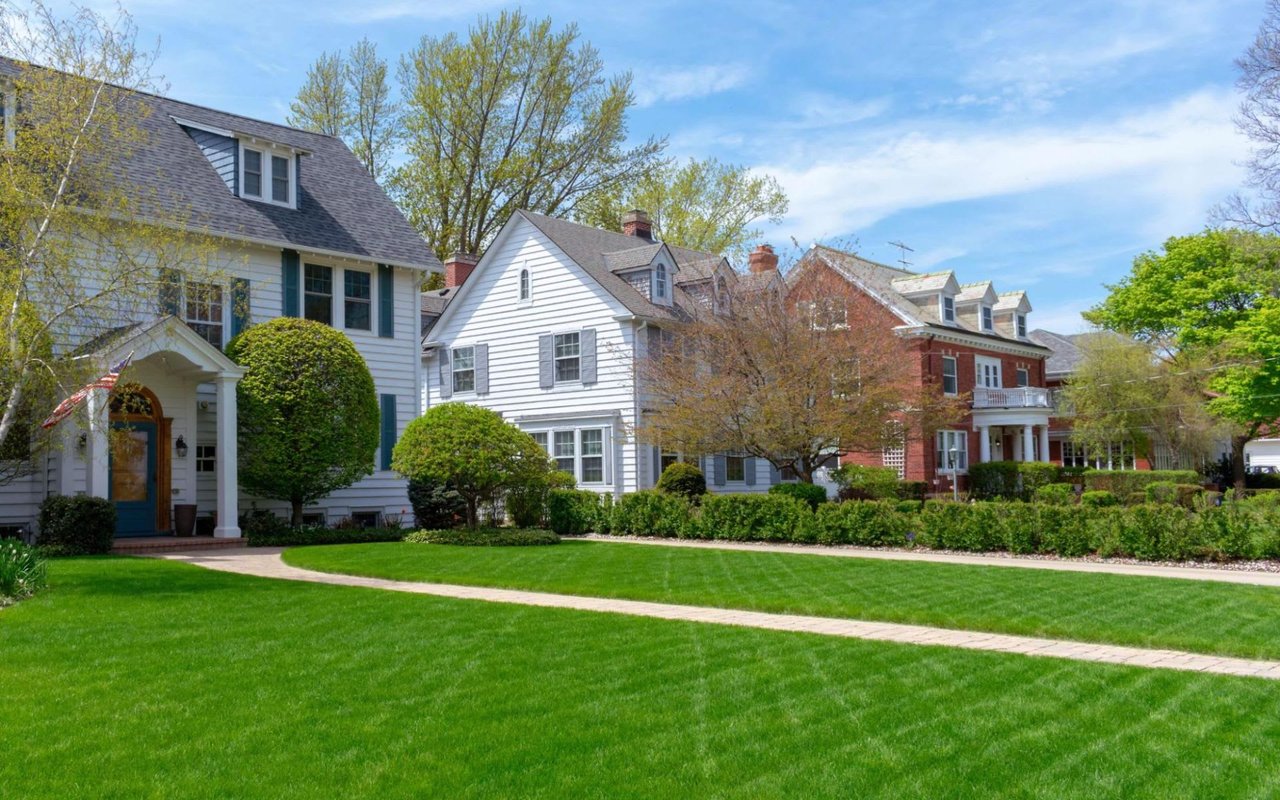
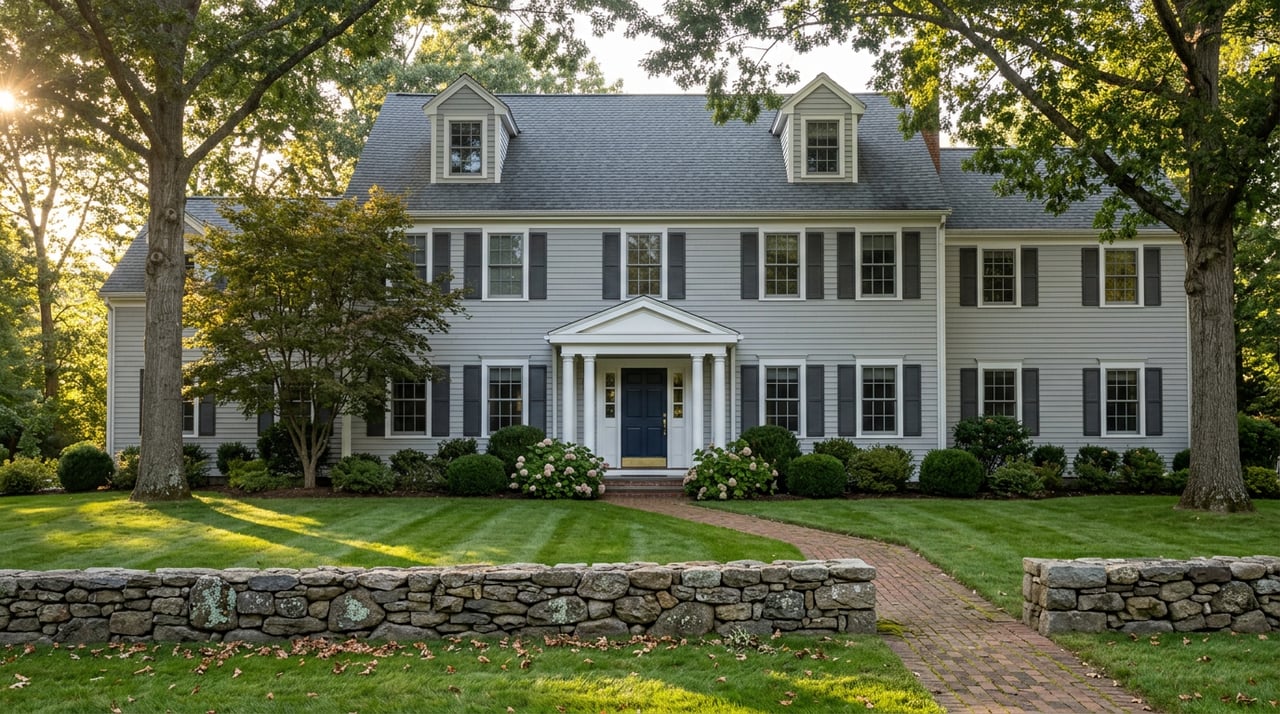
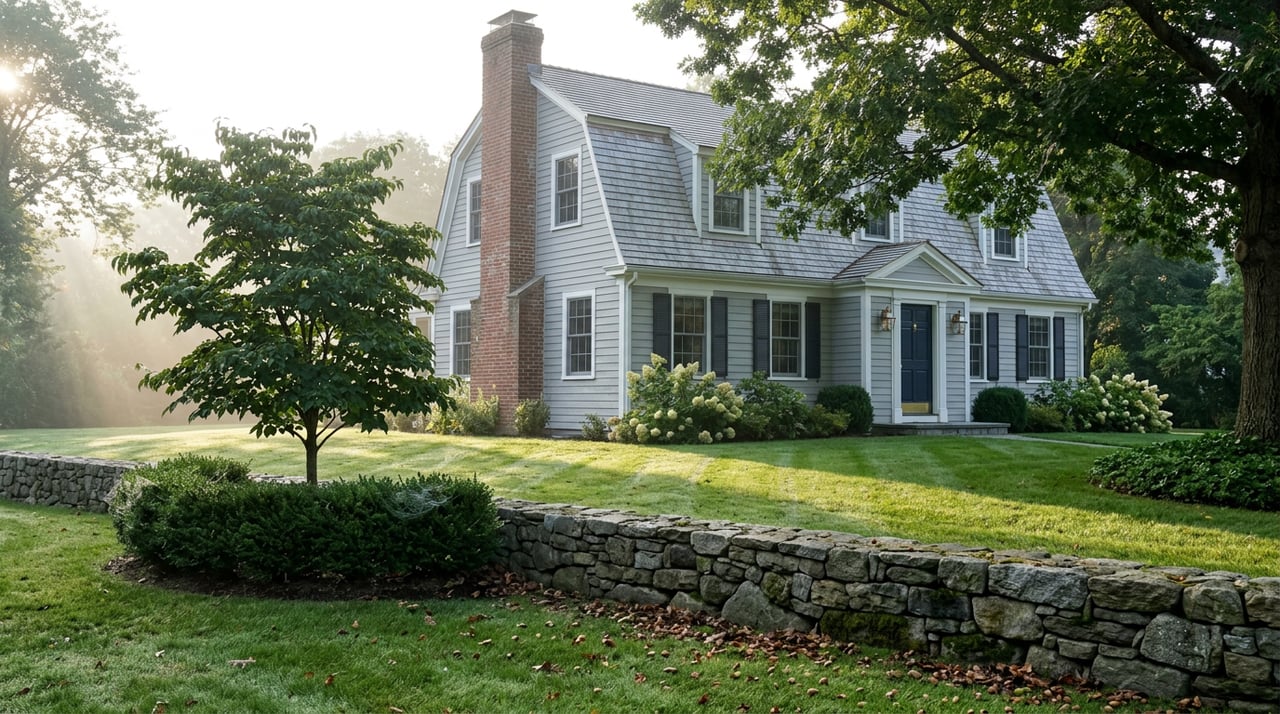
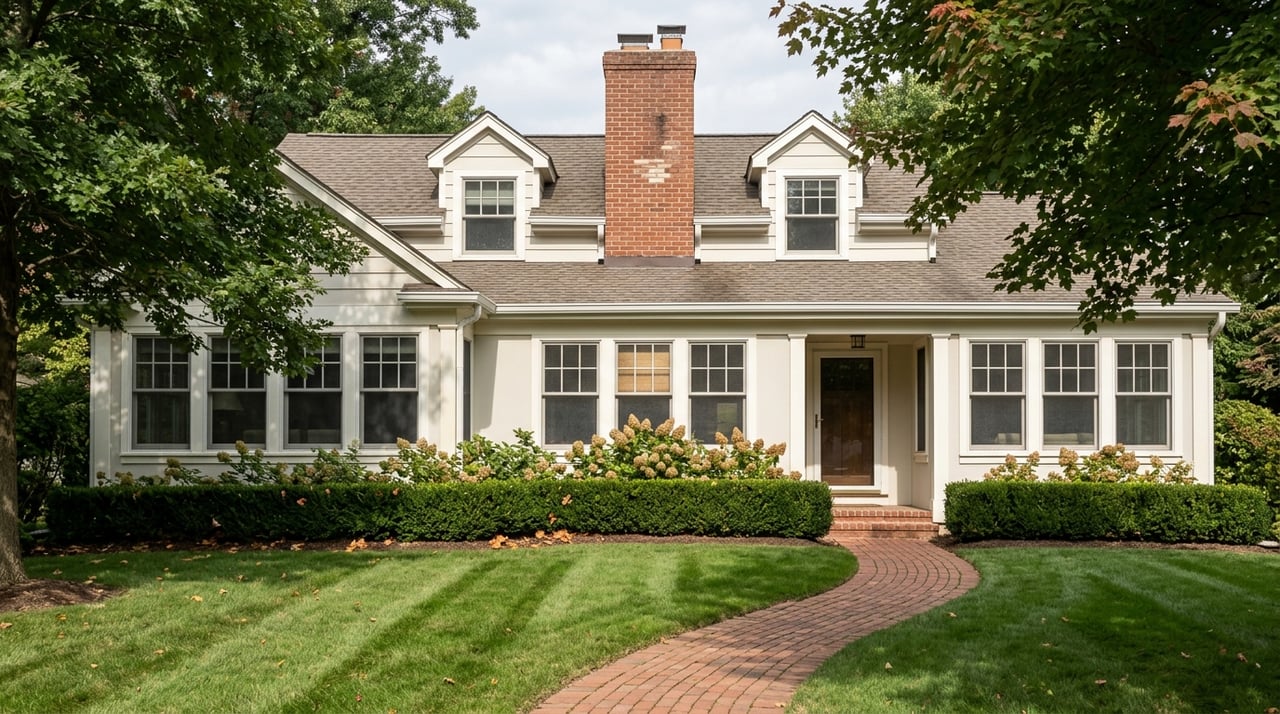
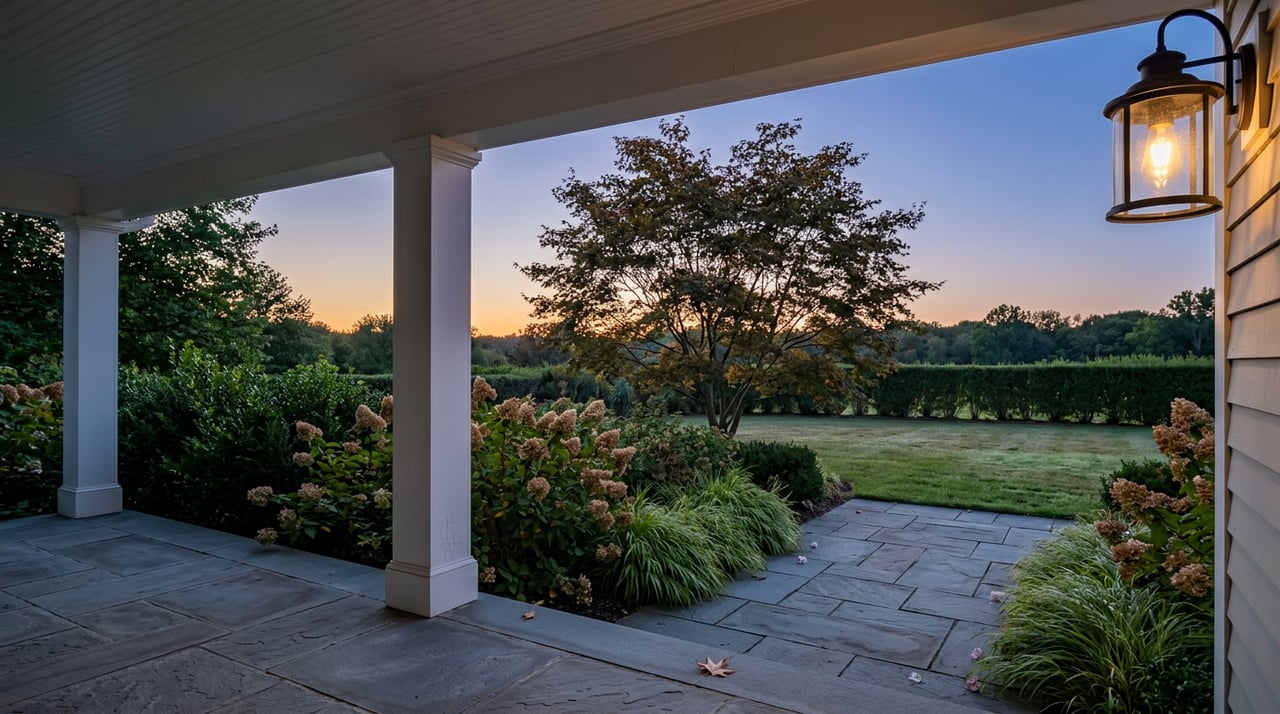
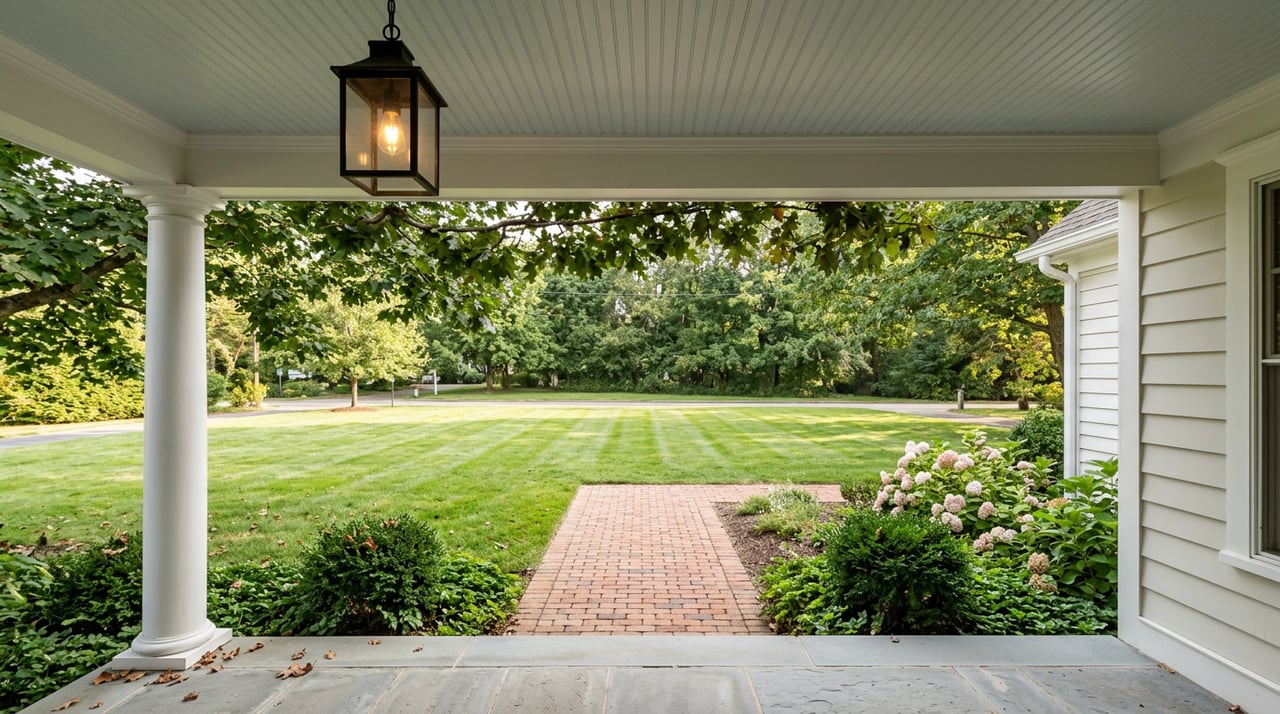
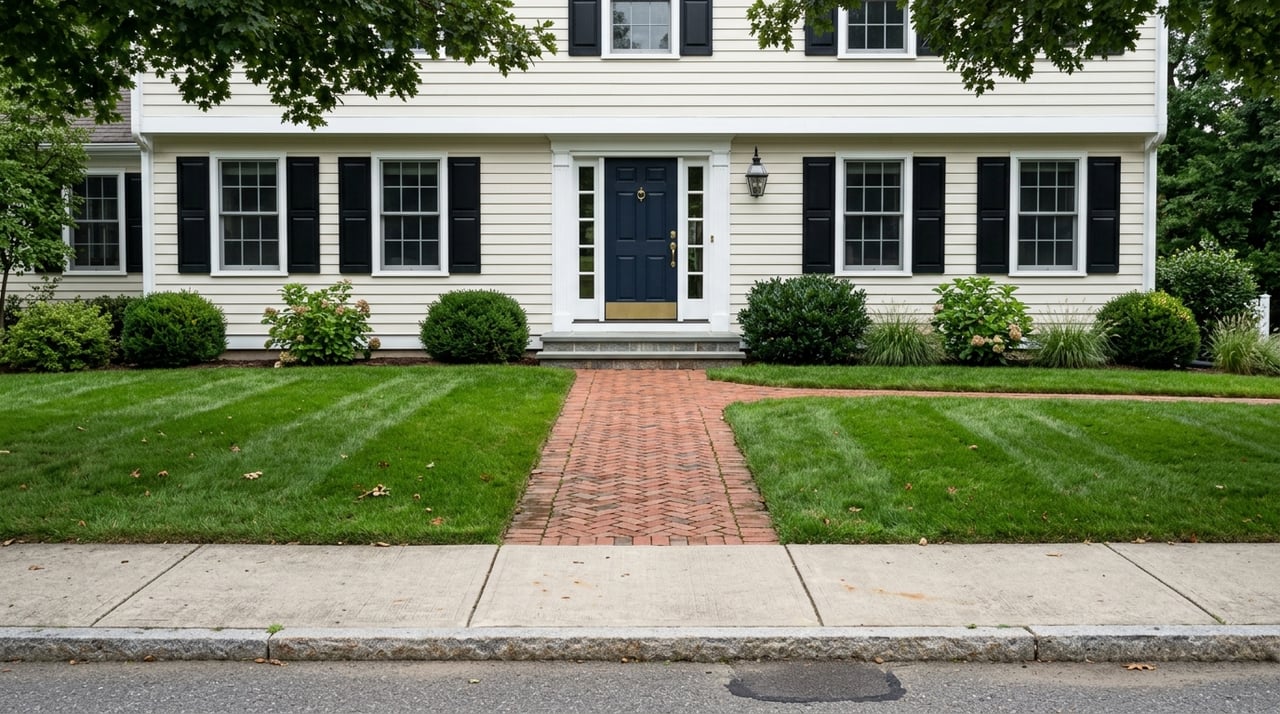
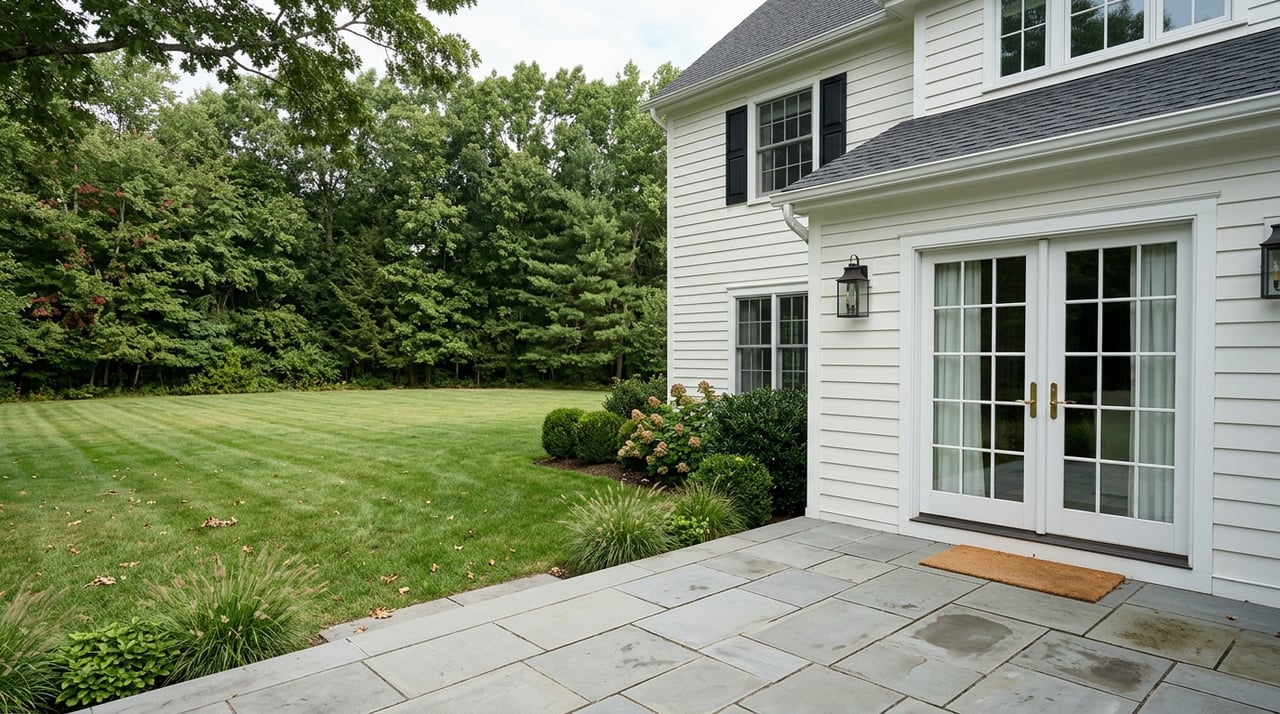
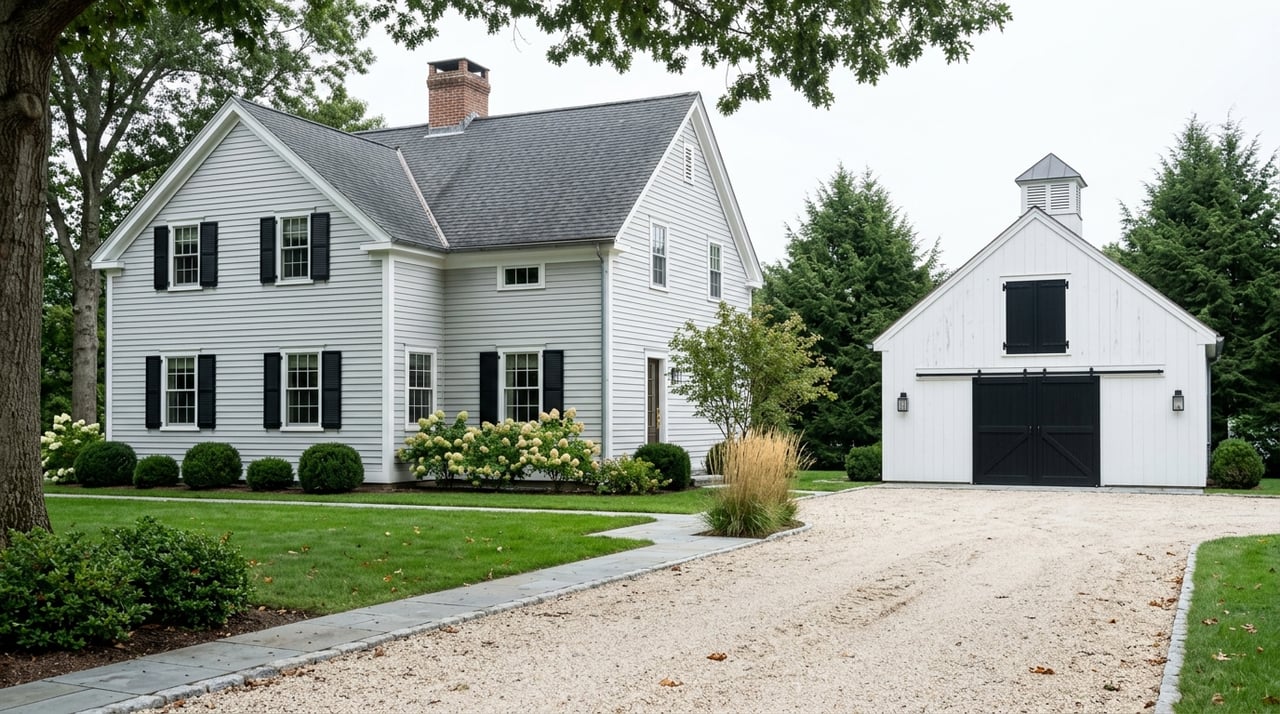
Selling land or a legacy estate in Dover can look simple on paper and feel anything but simple once the details come into focus. You may be weighing privacy, acreage, an older home, or future development potential and wondering how buyers will really see the property. The good news is that the right preparation can sharpen pricing, strengthen your marketing story, and reduce surprises during negotiations. Let’s dive in.
Why Dover land is different
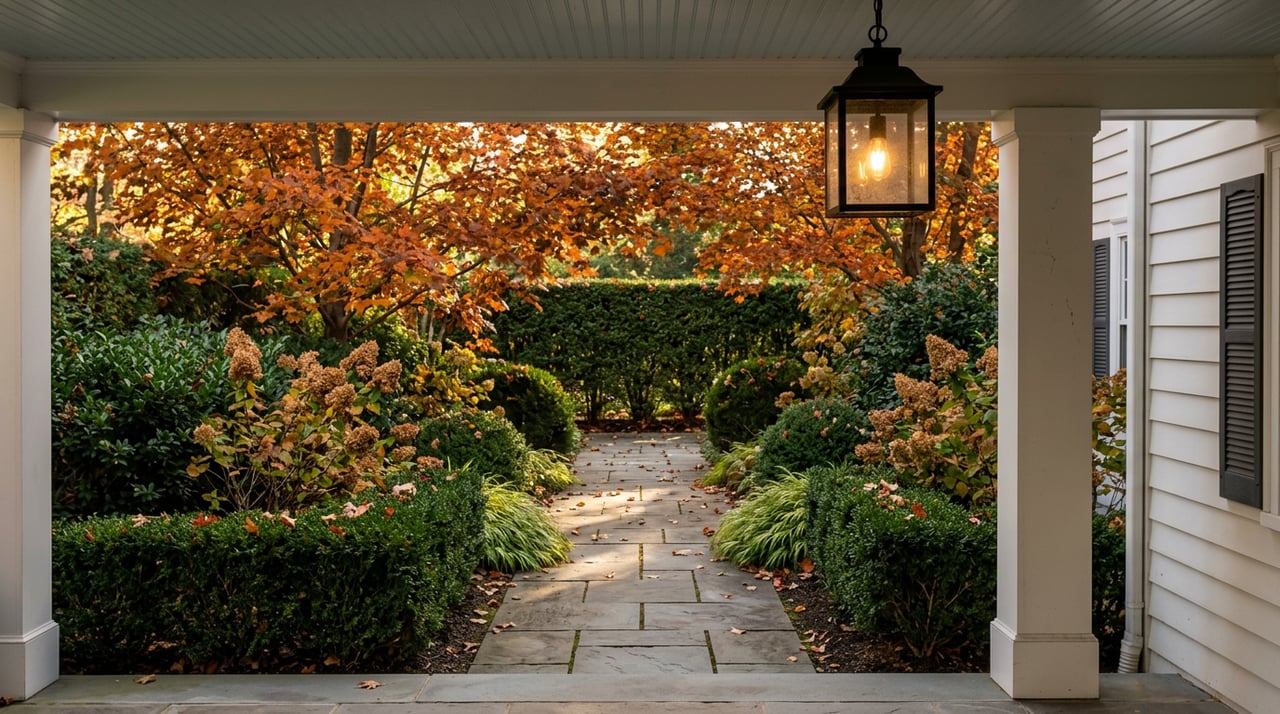
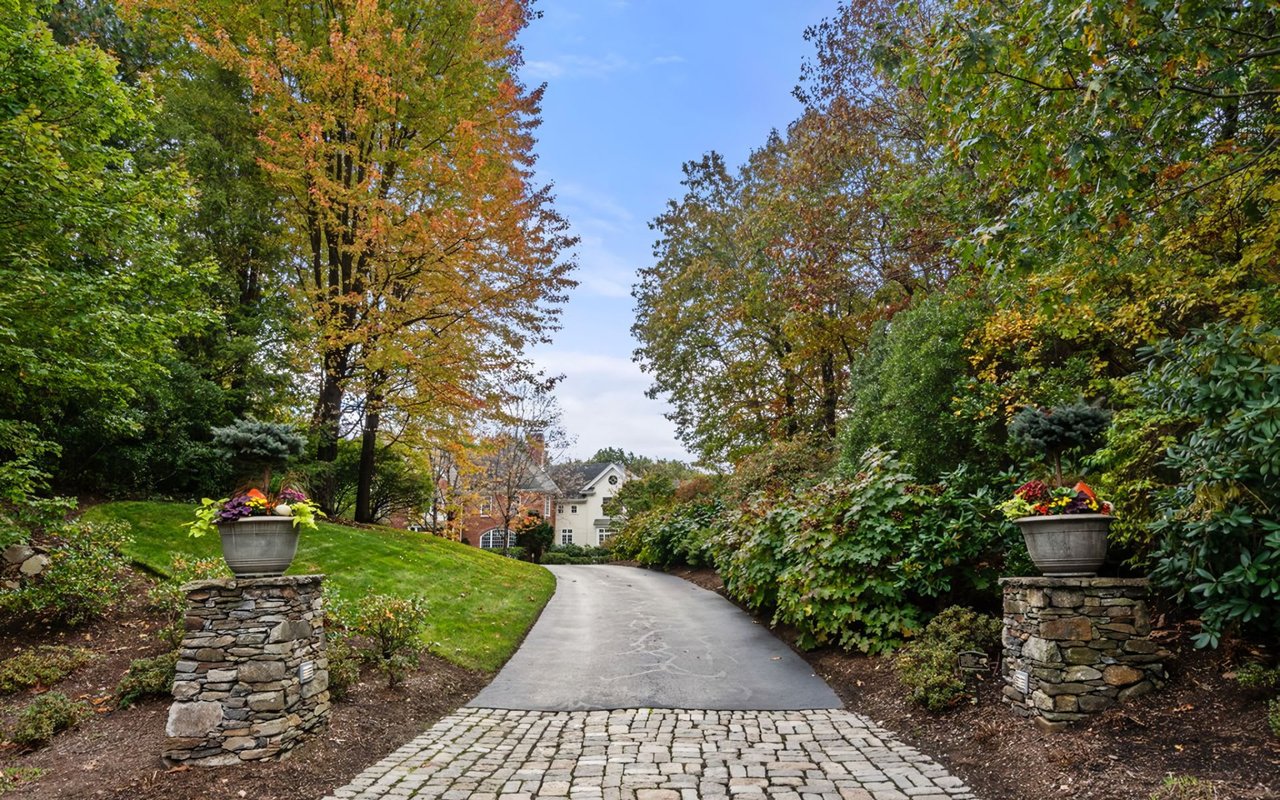
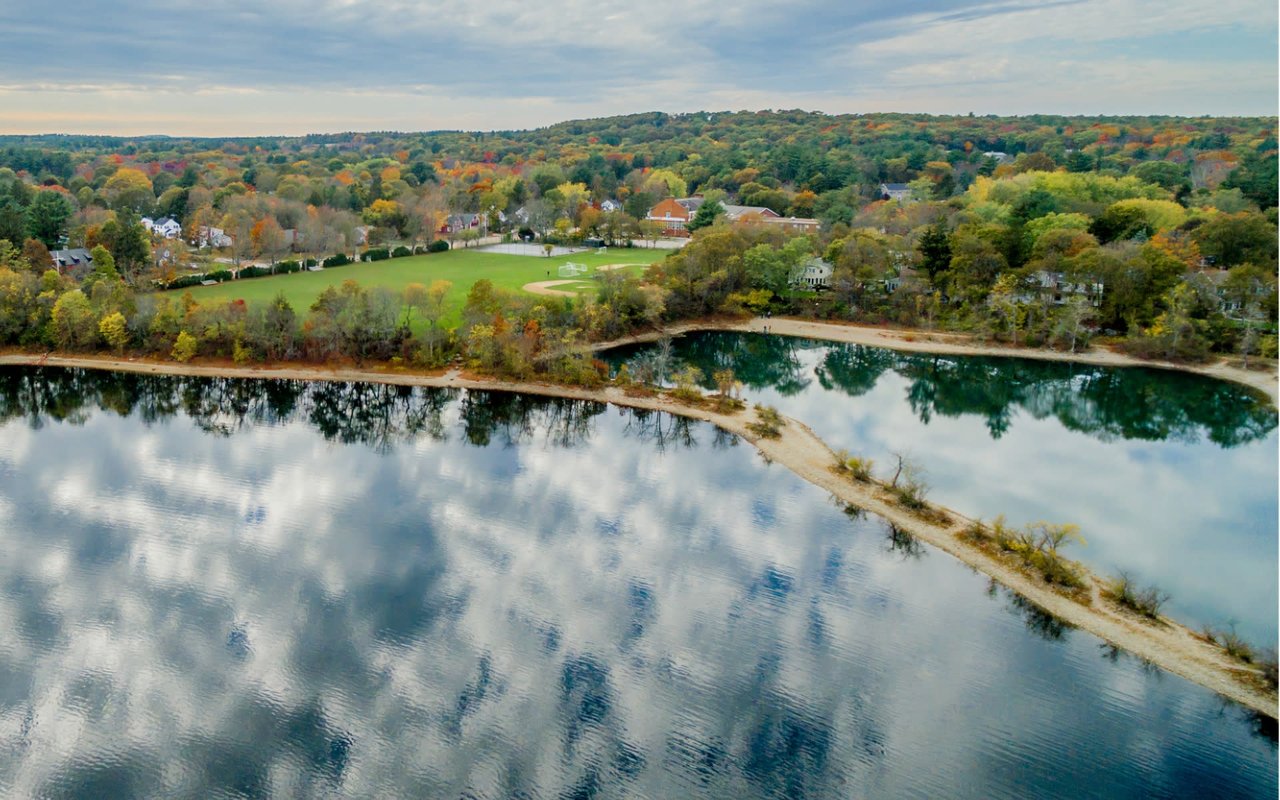
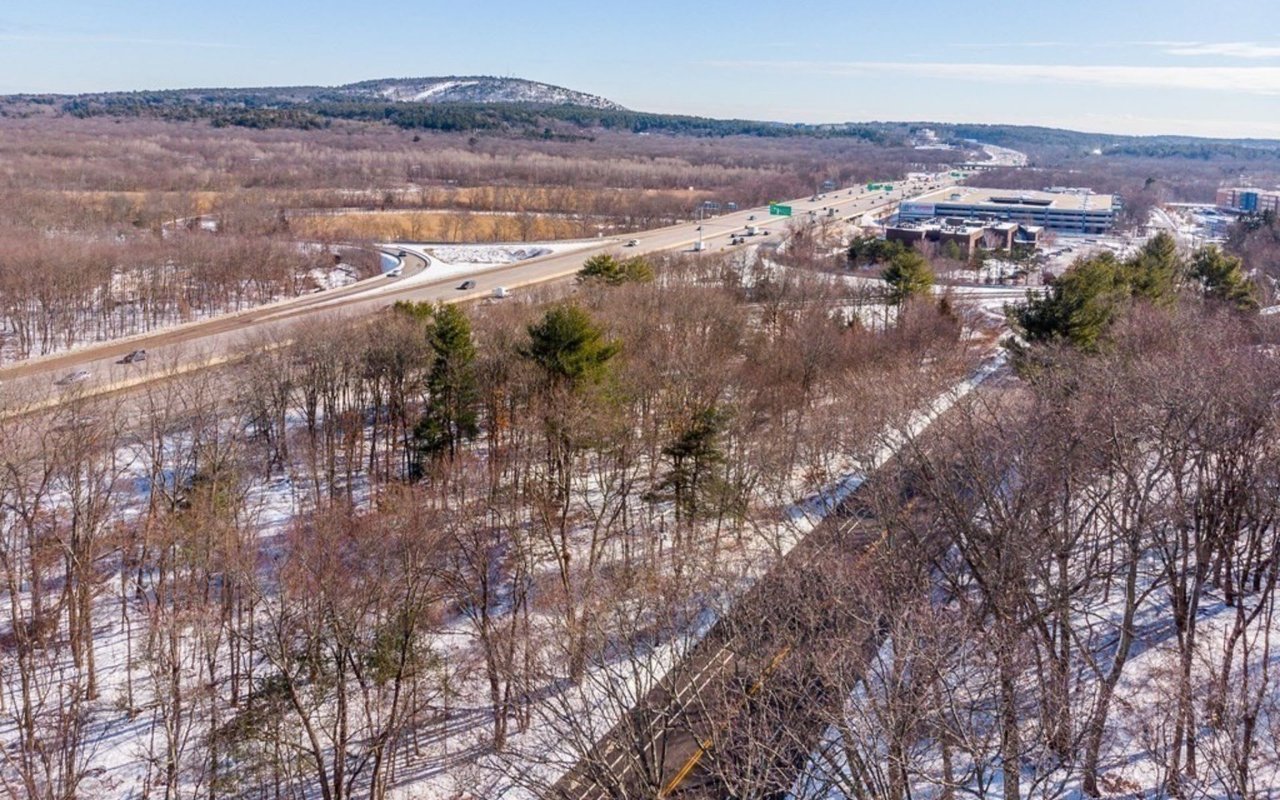
Dover is known for scenic roads, open space, trails, and a strong preservation ethic. That local character helps explain why land and estate sales here are often shaped by privacy, setting, and long-term potential, not just the size of the parcel.
For sellers, this means value often comes from the usable and marketable story of the land. A large parcel may sound impressive, but buyers will still ask practical questions about frontage, access, wetlands, zoning, and whether the property can support their plans.
What buyers want to know first
In Dover, sophisticated buyers usually start with one core question: What can I actually do with this property? That answer depends on more than acreage. It depends on zoning, physical access, environmental constraints, and whether the lot meets town requirements.
Builder buyers often focus on a clean entitlement path. End-user buyers are more likely to focus on privacy, mature landscaping, stone walls, wooded surroundings, and architectural character. In many cases, those same attractive features can also raise scenic-road, wetlands, or demolition-review issues, so clear pre-listing homework matters.
Zoning can shape value quickly
Dover’s base residential zoning is large-lot by design. The town’s dimensional schedule lists:
- R: 1/2 acre minimum lot area and 100 feet of frontage
- R-1: 1 acre minimum lot area and 150 feet of frontage
- R-2: 2 acres minimum lot area and 200 feet of frontage
The bylaw also ties these districts to a required perfect square that matches the frontage dimension. That means a parcel can look large enough on a tax map yet still fall short in a way that affects marketability.
Frontage is more than a measurement
In Dover, frontage is not just a tape-measure issue. A lot must have frontage on a qualifying way, include the required perfect square, and provide physical access through that frontage or another Planning Board-approved access point.
The town also does not permit shared driveways and curbcuts. For sellers, that can become a major value driver, especially if the property is being marketed for a potential lot split or future home site.
Lot area is not always fully countable
Not every part of a parcel helps equally with buildability. Dover excludes public or private ways and bodies of water from lot-area calculations, and no more than 25 percent of a lot can be in the Conservancy District.
This is one reason a parcel’s legal and practical value may differ from what appears on a basic map. Before you market land on size alone, it is worth confirming how much of the site actually supports the intended use.
Wetlands and river setbacks matter
Environmental constraints can materially reduce buildable area in Dover. The zoning bylaw creates setbacks from the Charles River and certain named brooks, and the Conservation Commission regulates work within 100 feet of wetlands and 200 feet of perennial streams or rivers.
If a project touches those areas, it may require a request for determination or a notice of intent. For sellers, this is not just a permitting detail. It can affect pricing, buyer confidence, and how aggressively a buyer is willing to pursue the property.
Why a wetlands check helps before listing
A pre-listing wetlands review can help you avoid overpromising. It can also help you decide whether the property should be marketed as a straightforward home site, a more complex land play, or a longer-horizon opportunity.
That kind of clarity tends to attract the right buyer pool. It also gives you a better position when questions arise during due diligence.
Estate subdivision takes careful review
If you own a larger Dover estate and hope to carve off land, start with caution. The bylaw generally does not allow a lot with an existing dwelling to be divided or reduced below required dimensional standards.
That makes pre-listing entitlement review especially important. A proposed split that looks reasonable at first glance may not work under current zoning, frontage, or access rules.
ANR versus subdivision
Dover separates subdivision approval from Approval Not Required, or ANR, plans. In general, a subdivision involves dividing land into two or more lots and usually requires a new road, while an ANR plan can be endorsed when a new lot or lot-line adjustment meets required frontage on an existing public or private way.
The town also states that ANR endorsement is ministerial and is not a zoning approval. In plain terms, an ANR path can be helpful, but it does not replace a full zoning analysis.
The MBTA overlay is narrow
In September 2025, Dover adopted an MBTA Communities overlay district on a specific 9.957-acre area on Tisdale Drive and County Court. Within that overlay, multifamily housing is allowed by right, subject to site plan review and review by the relevant boards and departments.
That matters if your parcel is entirely within the overlay area. For most Dover properties, though, the usual analysis still comes back to base zoning, ANR feasibility, or possible relief through the Board of Appeals.
Older estates can raise preservation issues
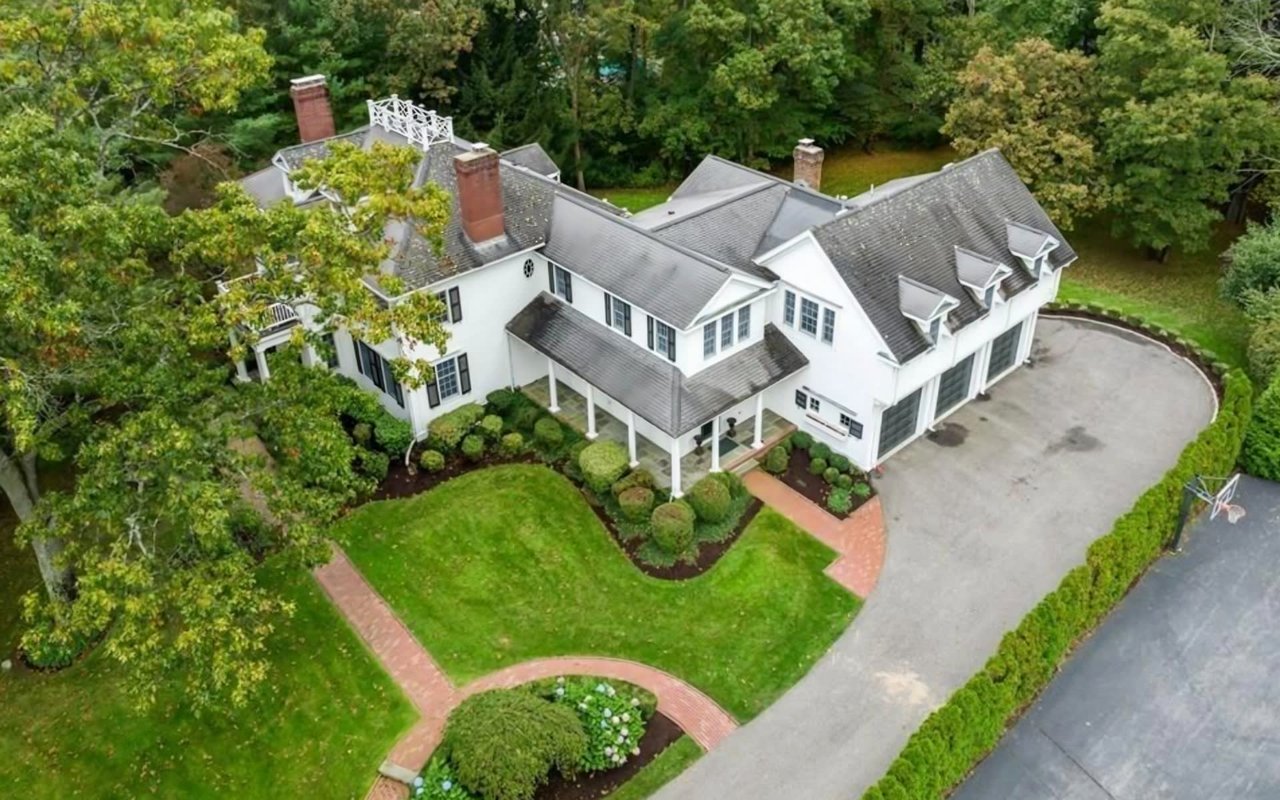
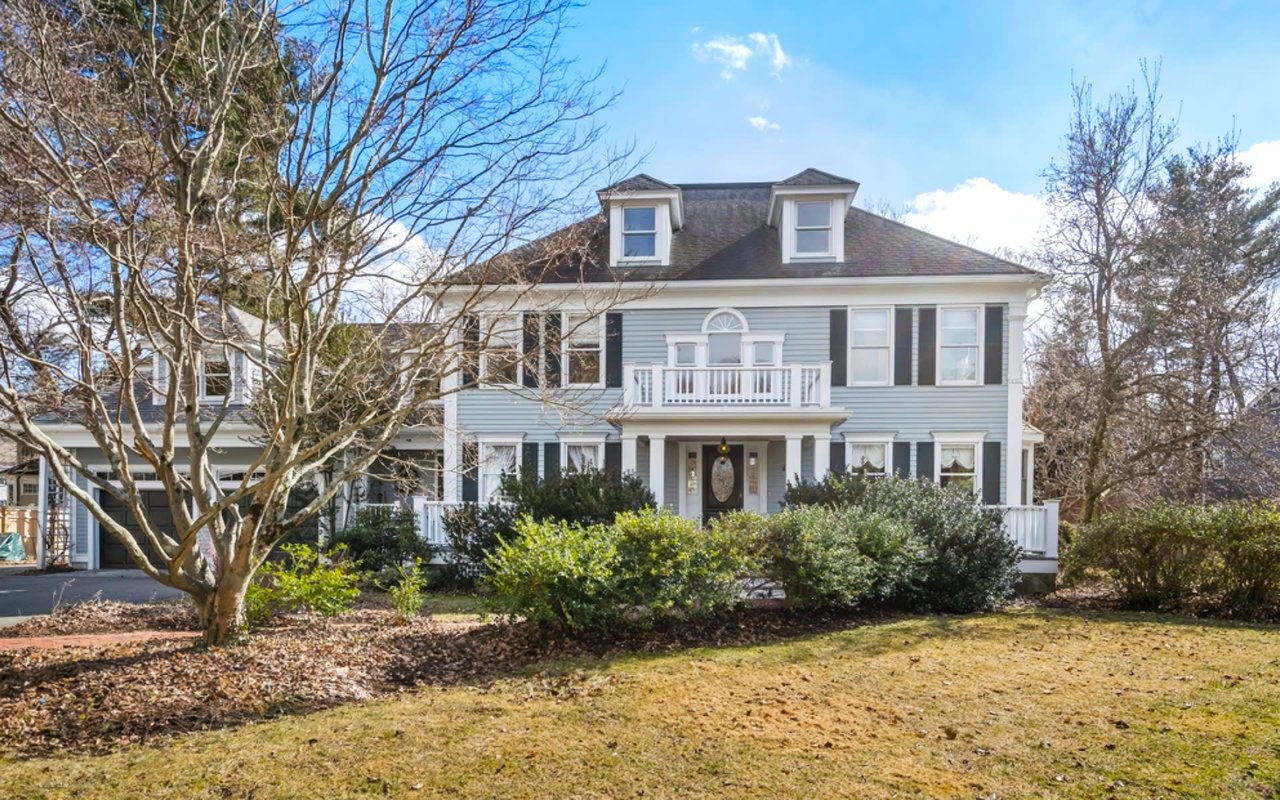
Legacy estates often carry special appeal in Dover, but they can also come with added review. The Planning Board administers Scenic Road Act regulations for stone walls and trees along designated scenic roads.
If your property includes those features, changes near the road may require added care and review. Buyers who value the setting may appreciate these details, but they still need accurate information about what is protected.
Demolition delay can affect teardown marketing
If you are selling an older estate house as a teardown or redevelopment candidate, verify the facts before presenting it that way. Dover’s demolition-review bylaw can apply to structures built wholly or in part in or before 1929.
If the Historical Commission determines a building is historically significant and preferably preserved, no demolition permit may be issued for one year. That waiting period can influence buyer interest, timing, and pricing strategy.
What to gather before going to market
A strong marketing package for Dover land or estates starts with reliable documentation. Dover’s assessor resources include GIS maps, abutter information, tax maps, property record cards, and valuation records, which can help confirm the parcel’s identity and baseline data.
The town also advises sellers to hire an engineer to survey property lines and, for land transfers, possibly an attorney to oversee the transfer. That guidance is especially useful when a sale involves lot lines, frontage questions, access issues, or a possible ANR filing.
Your pre-listing checklist
Before listing, it helps to assemble as much of this information as possible:
- Recent survey or engineering review of property lines
- Zoning district and dimensional compliance check
- Frontage and access review
- Wetlands and buffer-zone screening
- Assessor map and property record details
- Septic information, if applicable
- Well information and water test requirements, if applicable
- Historic or demolition-delay screening for older structures
- Scenic-road considerations for walls or trees near the road
This kind of preparation can change the entire sale strategy. It may support pricing confidence, improve marketing accuracy, and reduce buyer uncertainty.
Wells and septic can affect timing
If the property includes an existing house with a private well, Dover requires a water quality test before the sale. The Board of Health also regulates private wells, including water quality, installation, maintenance, and repair.
If the property has septic, Dover’s regulations supplement Title 5 and can be stricter than state minimums. The local regulations also state that if ownership changes, existing disposal-system construction permits are not transferable.
For sellers, these are not minor details. They can affect disclosures, timelines, and how smoothly a transaction moves from offer to closing.
How to position the property for the right buyer
The best marketing angle depends on what the parcel can realistically support. If the lot presents a clean story on frontage, access, and zoning, builder buyers may see immediate value.
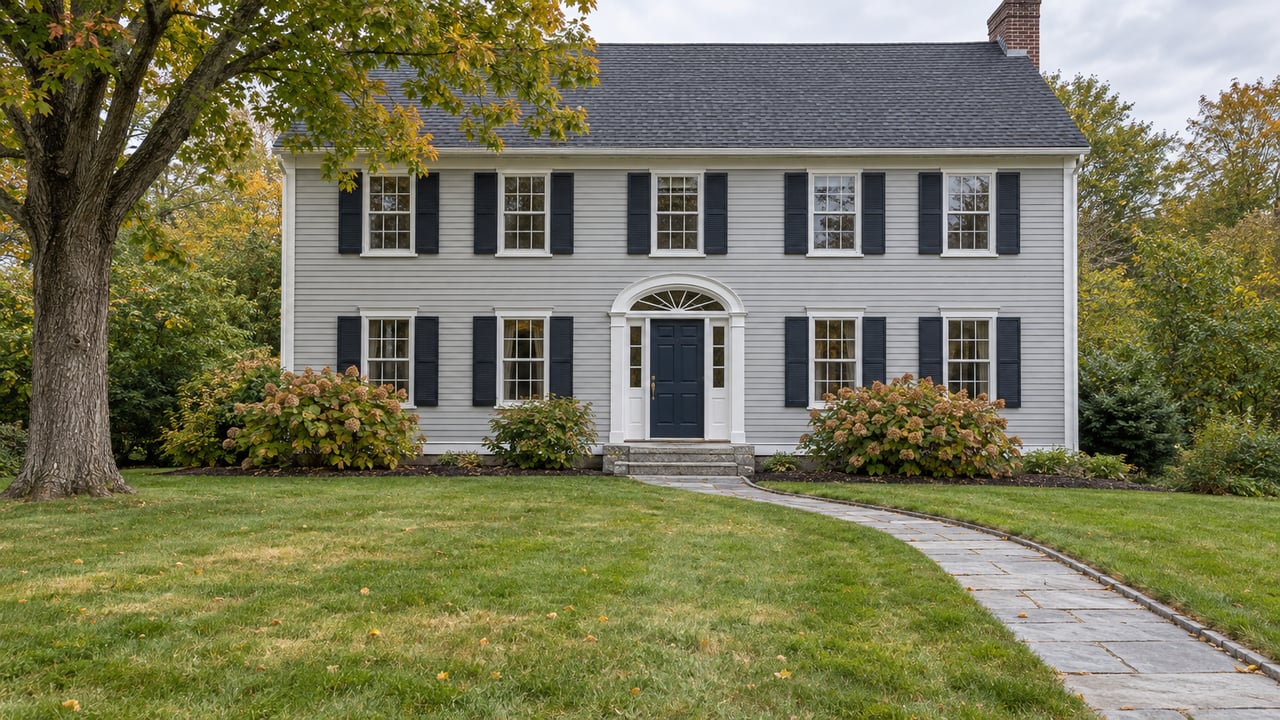
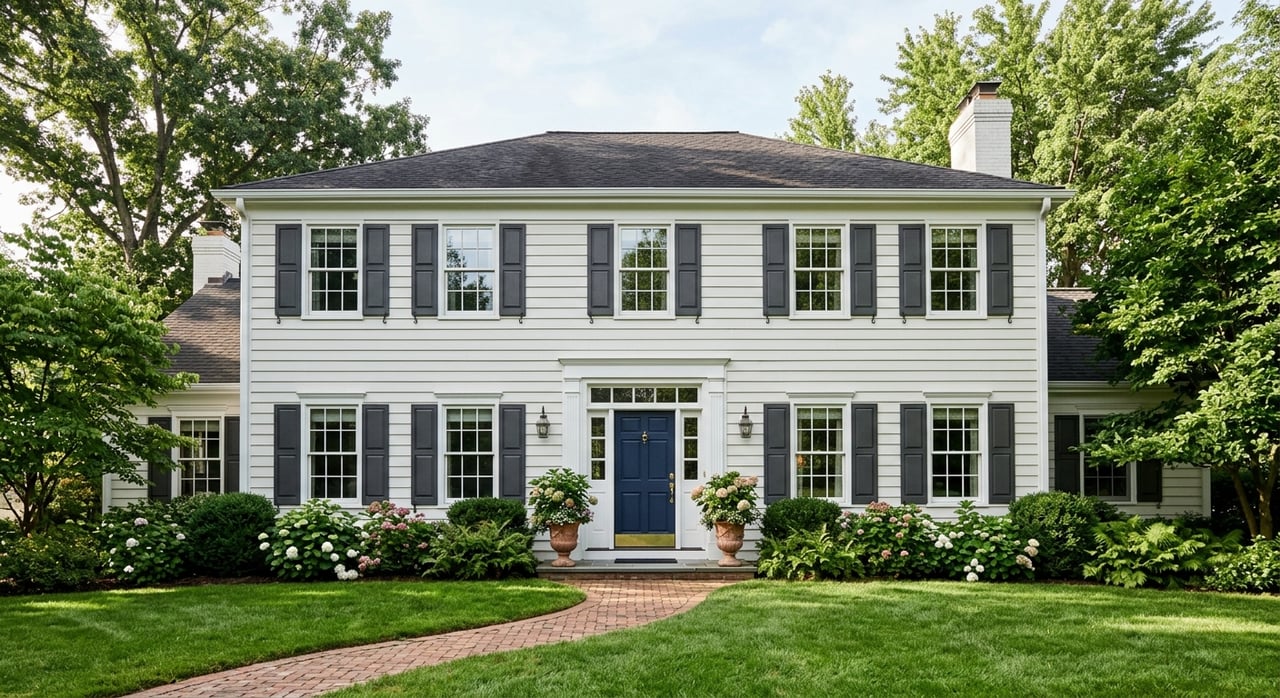
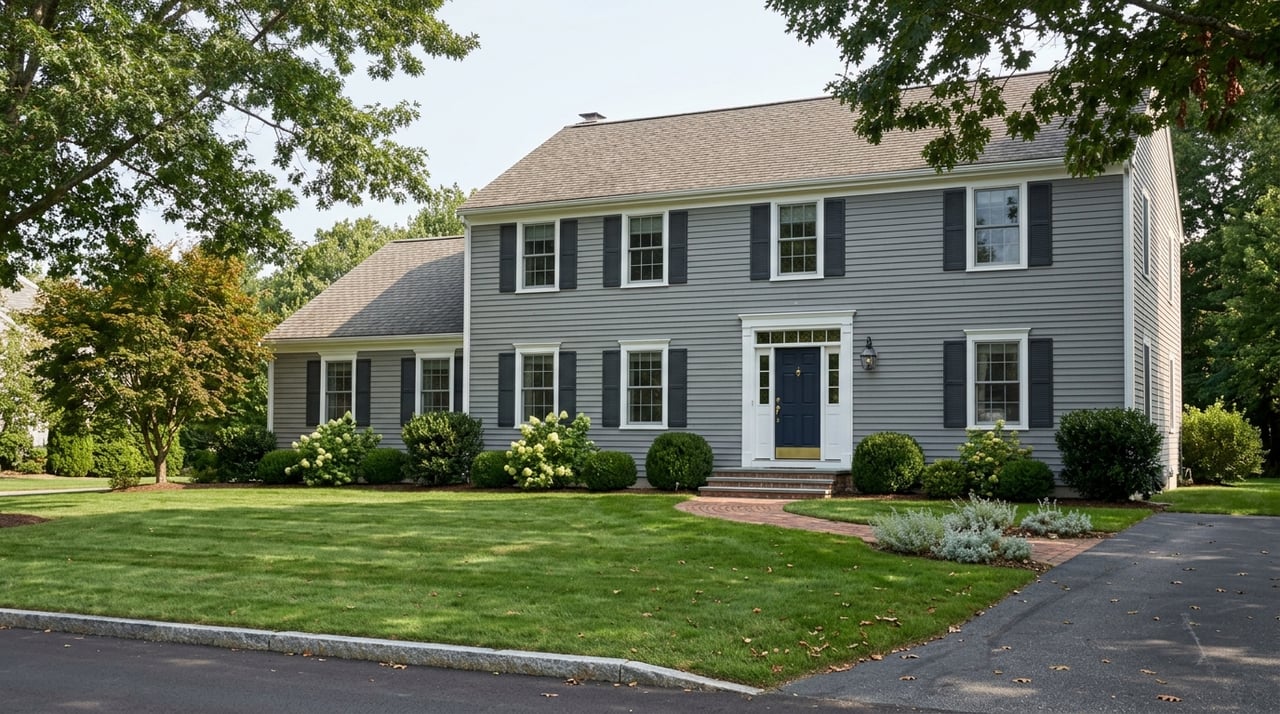
If the property is more about privacy, mature landscaping, stone walls, wooded land, or an architecturally distinctive residence, the buyer pool may lean more toward end users seeking a special setting. In that case, the presentation should highlight character and setting while staying candid about any wetlands, scenic-road, or demolition-review issues.
Match the message to the likely buyer
A smart Dover sale often comes down to targeted positioning:
- Immediate build-site story: Best when zoning, frontage, and access appear straightforward
- ANR opportunity story: Best when there is a realistic path for a new lot or lot-line adjustment
- Legacy estate story: Best when character, privacy, and long-term stewardship are major selling points
- Longer-horizon development story: Best when buyers may need extended review, approvals, or specialized planning
The more clearly you define that story upfront, the easier it is to attract serious buyers and negotiate from a position of strength.
Why pre-listing strategy matters in Dover
For a 12- to 24-month sale horizon, one of the most valuable steps is a pre-listing entitlement audit. That typically means a survey, zoning review, wetlands check, septic and well review, and screening for historic or scenic-road issues.
In Dover, that level of preparation can change both pricing and buyer targeting. It can help determine whether your property should be marketed as an immediate home site, a possible ANR opportunity, or a more complex tract that requires patience and specialized analysis.
A strategic sale is not about making broad claims. It is about giving buyers a credible, well-supported picture of what is known, what needs review, and where the opportunity really sits.
If you are considering selling land or an estate in Dover, the right guidance can make a meaningful difference in pricing, positioning, and negotiation. For thoughtful local strategy and polished marketing support, connect with Elena Price.
FAQs
What makes selling land in Dover different from selling a typical house lot?
- Dover land value often depends on zoning, frontage, access, wetlands, and preservation-related constraints, not just total acreage.
Can you sell a Dover parcel without full subdivision approval?
- Sometimes yes. A parcel may qualify for an ANR plan or a lot-line adjustment, but that depends on frontage and other requirements, and ANR endorsement is not zoning approval.
Does a Dover property need wetlands review before development?
- If proposed work is within 100 feet of wetlands or 200 feet of a perennial stream or river, Conservation Commission review may be required.
Can you market an older Dover estate house as a teardown?
- Possibly, but you should first confirm whether the demolition-review bylaw applies, especially if the structure was built wholly or in part in or before 1929.
Do private well and septic issues matter when selling a Dover home on land?
- Yes. Dover requires water quality testing before the sale of an existing house with a private well, and local septic regulations can affect approvals and timing.
Is the MBTA Communities overlay relevant to most Dover land sales?
- Usually not. The overlay applies to a specific 9.957-acre area on Tisdale Drive and County Court, so most parcels in Dover remain governed by base zoning.