A buyer called last month with a spreadsheet. She had pulled average sale prices for four Needham villages off a real estate blog and wanted to know which one to focus her search on. The honest answer took longer to explain than she expected: two of those four numbers were built on so few actual sales that they were closer to a coin flip than a market signal.
That is not a knock on the buyer's instincts. Comparing neighborhoods by median price feels like the obvious move. The problem is that Needham's village names, the ones people actually use when they talk about where they live, do not line up with how the Multiple Listing Service tracks sales. Two different systems are producing the numbers that get compared as if they were apples to apples.
Needham Center Isn't a Price Category
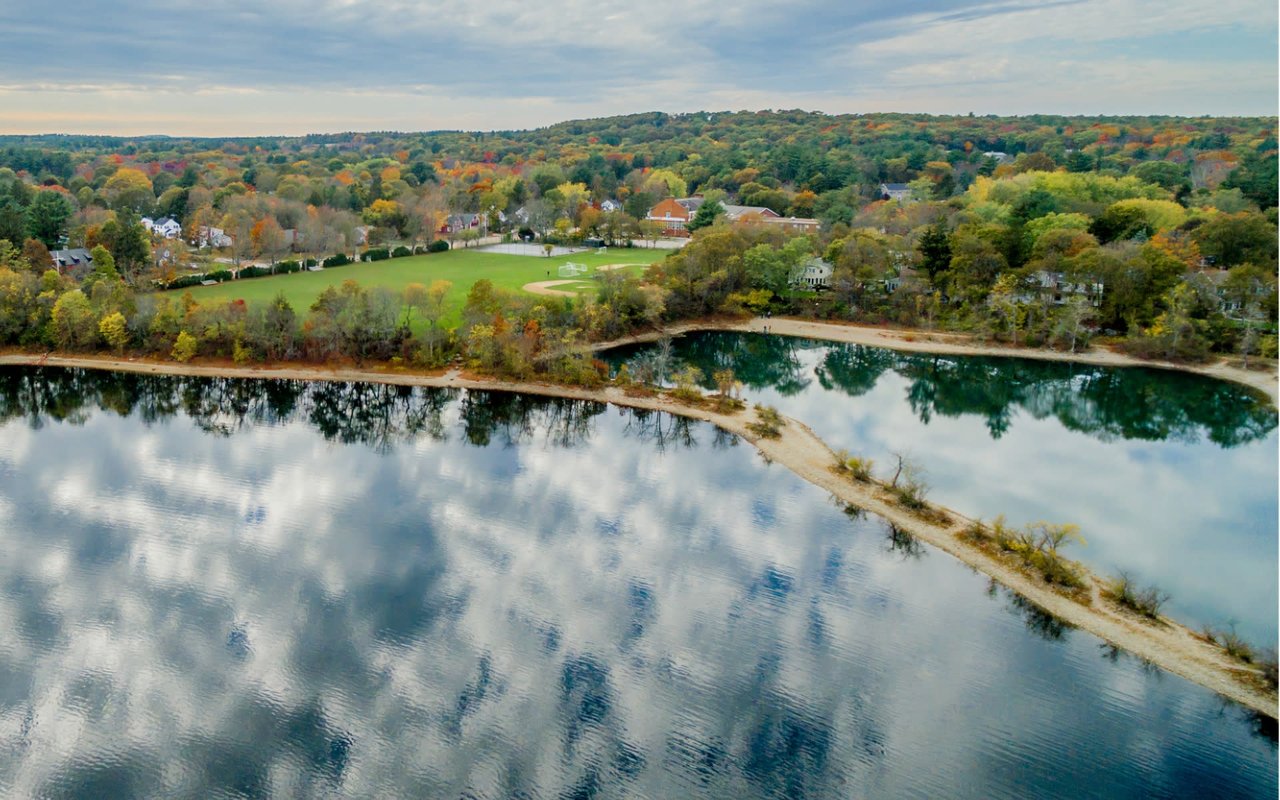
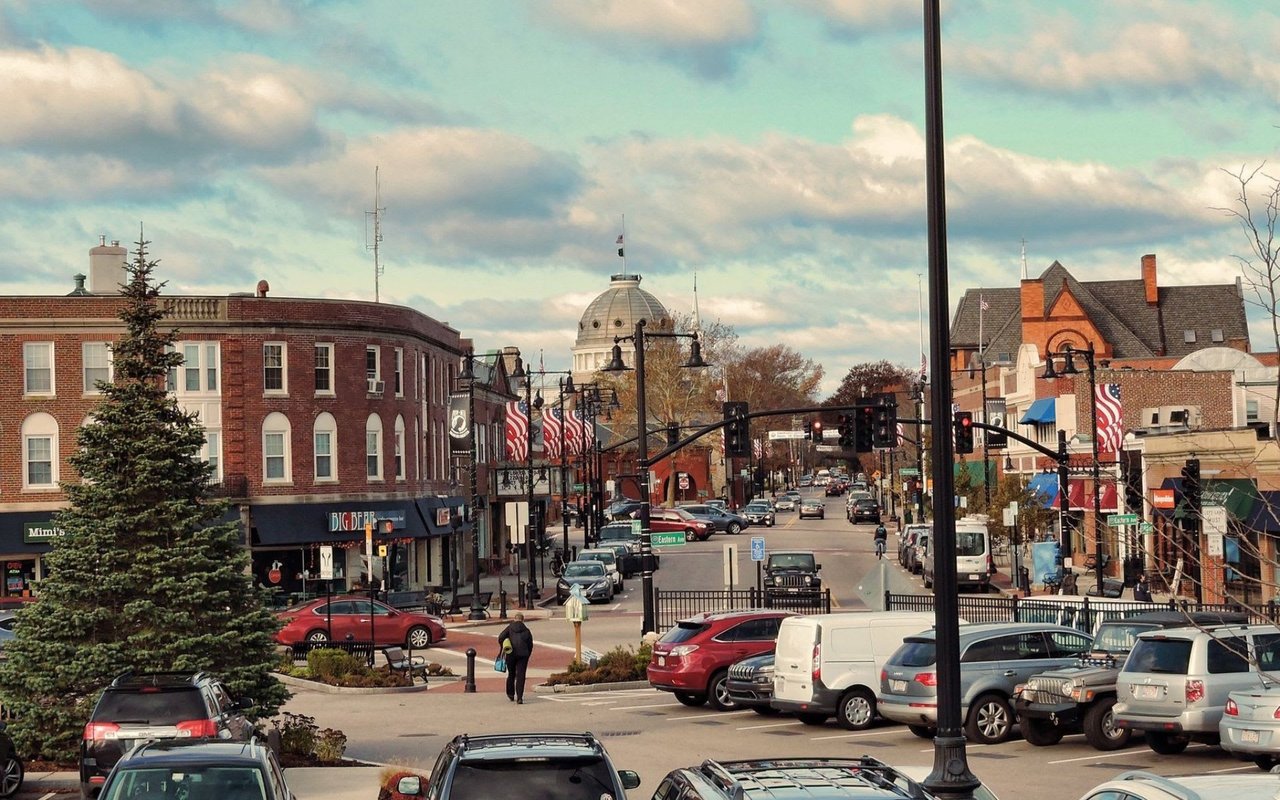
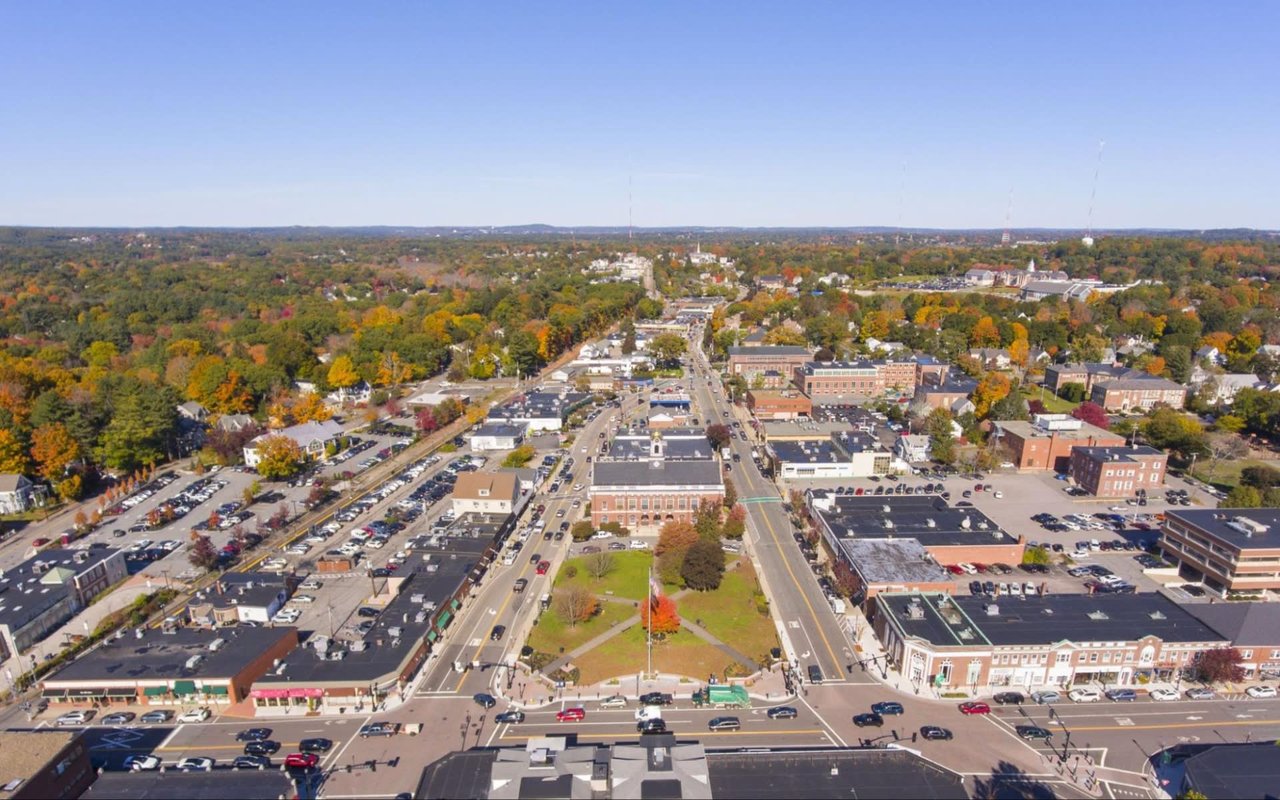
Ask someone in town where they live and you'll hear Needham Center, Needham Heights, the Avery neighborhood, or somewhere near Rosemary Lake. Those are real, lived-in distinctions. But the MLS only formally tags four areas for reporting purposes: Birds Hill, Charles River Village, Needham Heights, and Needham Junction. Needham Center, the town's civic and commercial core around Great Plain Avenue and the Town Common, is not one of them. Listing agents typically enter the sale as simply "Needham" and leave the specific area field blank.
A quoted "Needham Center median price" may rely on estimated boundaries or a data set too thin to provide a reliable comparison. The village people picture when they say Needham Center doesn't have its own bucket in the system that produces the numbers.
The Sample Sizes Behind the Other Three Are Just as Shaky
Even the four areas that do get tracked don't produce reliable trend lines in most cases. Charles River Village, which sits along the town's northwest edge near the river, recorded zero closings tagged to that specific area in 2022, 2024, 2025, and again through 2026 year-to-date. A neighborhood with no transaction volume cannot have a meaningful median. It has no median at all.
Needham Heights is the one area with enough activity to say something useful: roughly 23 tagged sales in 2022 and an annualized pace of about 27 in 2026. That's still a small sample by any statistical standard, and it means a single high-end closing (a $3 million-plus sale on a large lot, for instance) can swing the reported average for the entire village in a given quarter.
So the comparison chart you've probably already seen, four villages lined up with a price next to each name, can imply more precision than the data supports. One bucket doesn't exist as a category. Another has no sales in it most years. Only one has a sample large enough to trust, and even that one moves around based on a handful of transactions.
What's Actually Different Between These Villages Right Now
If price comparisons between Needham's villages don't hold up, something else does: they are on visibly different development paths, and that difference is happening in real time.
In May 2026, Greystar and Haseko North America broke ground on a 189-unit apartment development at 100 West Street in Needham Heights, on the site of a former assisted living facility that had sat empty since 2018. It's the first large project to move forward under Needham's zoning adopted for the state's MBTA Communities Act, and it sits close enough to the Needham Heights commuter rail stop that it satisfies the law's transit-proximity requirement. A Trader Joe's and CVS sit directly across Highland Avenue, and Rosemary Lake and the Needham Free Public Library are both within a mile.
As Needham Local reported, Select Board Chair Heidi Frail called it the start of "a new era" at the groundbreaking, and Greystar managing director Ryan Souls noted the site "has been underutilized for some time," pointing to the town's rezoning as what finally activated it.
Compare that to Needham Center. The town's own Envision Needham Center initiative, aimed at improving walkability and commercial vitality in the downtown core, was publicly announced as delayed by Frail in May 2025. It has not been canceled, but there's no comparable groundbreaking to point to. One village is adding 189 new households within walking distance of its train stop. Needham Center's initiative remains in planning.
That asymmetry is the real story for anyone comparing these two places. It won't show up in a median price this year or even next, since the Greystar units won't deliver until fall 2027. But it highlights something the price data structurally cannot: how the villages' development timelines differ.
The Parking Numbers Say More Than the Price Chart Does
If you want a concrete, present-day way to feel the difference between these villages before any new units deliver, look at parking. A 2023 town study found 991 total parking spaces in Needham Heights compared to 1,771 in Needham Center. That gap reflects scale more than anything else. Needham Center functions as the town's traditional downtown, with a denser retail and restaurant cluster along Great Plain Avenue, Chapel Street, and Chestnut Place. Needham Heights operates more like a neighborhood hub built around the commuter rail stop and everyday errands.
Neither pattern is better. But if your daily routine depends on quick, easy parking near a train platform, that 991-space inventory in a smaller village footprint behaves differently than 1,771 spaces spread across a busier downtown core. It's the kind of texture that a spreadsheet full of median prices will never capture, and it matters more day to day than whichever village technically posted a higher average sale price last quarter.
What This Means If You're Actually Choosing Between Them
Don't lead with the village-level median. Lead with the question the comparison is actually trying to answer, which is usually about future trajectory and daily friction, not last year's closing prices.
If you're weighing Needham Heights against Needham Center, the more honest comparison points are these: Needham Heights is about to absorb 189 new rental households within a half mile of its train stop, with amenities like a fitness center, dog run, and community garden built in, which will change foot traffic and retail demand along Highland Avenue over the next two to three years. Needham Center's downtown character is more settled for now, with its own walkability challenges around Great Plain Avenue and the Common that the town has acknowledged and is still studying.
Townwide, the median single-family sale price has moved from $1,455,000 in 2022 to roughly $2,359,500 year-to-date in early 2026, so both villages are rising in a market that remains tight and competitive overall. But that townwide number tells you about Needham broadly, not about which specific street or station corridor is the better fit for how you actually want to live.
A Few Questions Worth Asking Directly
Is Needham Heights cheaper than Needham Center? There's no reliable way to answer that from MLS data alone, since Needham Center isn't a tracked reporting area and Needham Heights' own sample size is small enough to swing on a single luxury sale. Treat any specific dollar comparison between these two villages with real skepticism.
Will the new development at 100 West Street lower home values nearby? It's too early to know. The 189 units won't deliver until fall 2027, and rental apartments don't compete directly with single-family sale comps in the same way. What it will likely change first is retail demand and foot traffic along Highland Avenue, since the development's own leadership has said they expect residents to spend closer to home.
Which Needham train stop has the best commute? All four stations on the Needham Line, Needham Heights, Needham Center, Needham Junction, and Hersey, run into Boston's South Station in a similar window of roughly 30 to 40 minutes. The meaningful differences between them are more about walkability, parking, and neighborhood scale than commute time.
If you're trying to sort out which Needham village actually fits how you live, rather than which one has the better-looking number on a chart that can't really produce one, that's a conversation worth having with someone who tracks these zoning and development shifts as they happen. Elena Price has spent decades watching Needham and the surrounding Metrowest suburbs change, one rezoning vote and one groundbreaking at a time. Request your Instant Home Valuation to start a conversation grounded in what's actually happening on the ground, not just what the spreadsheet says.
This article is general information, not legal, tax or financial advice. Consult a qualified professional about your situation.